
Forgotten Dairies
Insecurity In Nigeria, Causes, Consequences And Solutions -By Ene Success Ogheneyome
Insecurity won’t end overnight. But countries do recover from this. The first step is refusing to normalize it. When we stop saying “that’s just Nigeria” and start saying “this is unfair, what’s the plan?”, we shift the conversation.

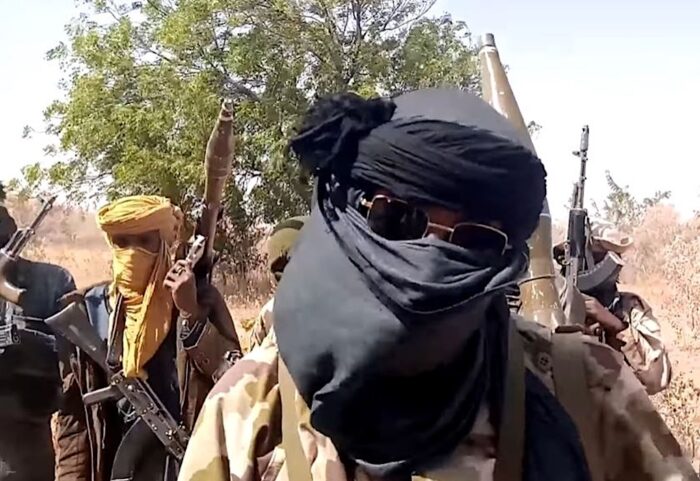
If you live in Nigeria, you don’t need motivation, inspiration to tell you something is wrong. It’s in the way parents now call their children twice when they’re late from school. It’s in the quiet that falls over a bus park at 8am instead of 7am. Students no longer have the zeal to go to school early in the morning because they don’t know the next sad news.
What exactly is going on?
What’s happening to Nigeria’s Anthem?
Serving Nigeria is a risk, and insecurity for Nigerians.
“Insecurity” here isn’t just one thing. It’s a mix of problems feeding each other. In the North East, Boko Haram and ISWAP attacks have displaced millions since 2009. In the North West and North Central, banditry and kidnapping for ransom turned into an industry. It’s now a normal thing kidnapping and ransom.Armed men move between forests, attack villages, rustle cattle, and take school children. In the South East, separatist agitation and unknown gunmen attacks have made night travel risky. In the Niger Delta, cult violence and piracy on waterways remain issues. Then there’s farmer-herder clashes, urban robbery, and ritual killings. Different regions, different names, same fear.
Why are we threatened?
In Niger Delta, bandits are sending messages online, prophecies, people dreaming, talking about unaware visits of bandits.
A few days ago, in Isoko land, a bandit was caught in the bush putting on an army uniform.
A man was released in Isoko after a huge ransom was paid. Now, we don’t know if it’s bandits or kidnappers because they’re using bandits to harm people.
Why has it gotten worse?
Nothing has happened because they have backups, whom we don’t know.
Insecurity, Banditry, Fulani Herdsmen, Boko Haram
Nigeria is facing high rates of crime; banditry has become a harsh reality in today’s Nigeria society. Hence, efforts of the government have not yielded enough positive results. It is on this note that this study examines insecurity in Nigeria: causes, consequences and solutions. Data were collected using structured questionnaires to analyze descriptive statistics such as Mean, standard deviation and rankings were used to determine the relationship between variables. Findings revealed that poverty, unemployment and illiteracy are the major causes of insecurity in Nigeria especially in the north east and south east of Nigeria. This was revealed with mean scores of 4.26, 4.24 and 4.31 and standard deviation of 0.83, 0.82 and 0.87 respectively.
In conclusion, eradication of poverty, provision of better jobs, and free education at all levels will reduce insecurity to the barest minimum. The study recommended that the government should empower the youth with vocational training, free education, non interest loans should be given to artisans and allow the youth to participate in politics.Is there hope?
Yes, but it’s not dramatic. Hope looks like a village in Oyo where elders’ security forces set up an early warning system and attacks dropped. Hope looks like youths in Jos running tech hubs instead of joining gangs. Hope looks like citizens demanding accountability at town halls instead of staying silent.
Nigeria has survived worse. We’re stubborn people. But “stubborn” can’t be the security plan. We need honest talk about what’s working and what isn’t, without turning every solution into politics.
What regular people can do
Share verified information, not rumors. Rumors cause panic and mob justice.
Support community initiatives, neighborhood watches, school safety groups.
Push leaders on specific things: police funding, court reform, local jobs. Not just “do something”.
If you’re in the diaspora, advocate and invest in solutions back home, not just send money for problems.
Insecurity won’t end overnight. But countries do recover from this. The first step is refusing to normalize it. When we stop saying “that’s just Nigeria” and start saying “this is unfair, what’s the plan?”, we shift the conversation.
Nigeria deserves better than living in fear. And we, working together, are to build that better version slowly, painfully, but together.













You must be logged in to post a comment Login