
Africa
Neo-Colonialism: The Blood-Stained Economics of Modern Trade -By Leonard Karshima Shilgba
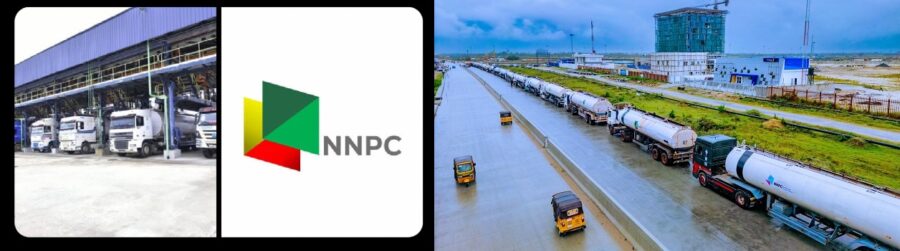
The terms of these contracts are rarely made public. But the outcomes are visible: while oil feeds European refineries and Asian industries, Nigerians import refined petroleum at exorbitant prices. Recently, the Dangote Refinery emerged to challenge this scenario. No wonder the fight was tough, misinformation was rife, but, gladly, the narrative is changing and Europe and the rest of the world have taken note that if Africans fix their minds, they can change the game.

“He who controls resources controls destiny. The story of Africa is the tale of stolen destinies.”
Centuries ago, they came not merely with maps and missionary tracts, but with calculating minds and hungry hands. The so-called “explorers” of Europe were not aimless wanderers—they were surveyors of opportunity. Africa, vast and vibrant, was their prize. What history has falsely romanticized as “exploration” was in truth a systematic scouting mission—a reconnaissance of riches.
The focus was trade, but not in the sense of fair exchange. It was extraction masquerading as commerce. From gold to palm oil, rubber to cocoa, and worst of all—human beings—the continent became a supply depot for the rising industrial economies of Europe. Africa bled so that Europe could rise.
The Legacy Reborn: Neo-Colonialism
Today, colonial flags may no longer flutter over African skies, but the battle for resources continues with subtlety, sophistication, and force.
Neo-colonialism is not the occupation of land by foreign troops, but the occupation of our economies and minds by foreign interests.
The World Bank, the IMF, and even multinational trade pacts are the new garrisons. The tools of conquest are no longer muskets and canons—they are loan conditionalities, trade imbalances, and resource contracts so skewed that African wealth continues to flow outward while poverty deepens at home. African leaders thereby release the resources of generations to greedy foreign interests, not at gunpoint, but through the intricacies of those tools of control. Our education, borrowed even, only conditions our minds to hold as sacred economic policy “recommendations” of those Western institutions of manipulation.
Presently, the fight for “rare earth” and other precious minerals and other selfish considerations made President Trump of the US to “invite” five African heads of state to the White House. Beware Africa!
Nigeria: Rich But Poor
Nigeria, the so-called “giant of Africa”, is a tragic case in point.
* In the Niger Delta, foreign oil giants—Shell, Chevron, Eni, Total—pump out billions of dollars’ worth of crude oil, while the communities around their wells wallow in pollution, unemployment, and despair.
* The terms of these contracts are rarely made public. But the outcomes are visible: while oil feeds European refineries and Asian industries, Nigerians import refined petroleum at exorbitant prices. Recently, the Dangote Refinery emerged to challenge this scenario. No wonder the fight was tough, misinformation was rife, but, gladly, the narrative is changing and Europe and the rest of the world have taken note that if Africans fix their minds, they can change the game.
* Leaders who tried to reassert control over national wealth—such as Murtala Mohammed in 1976—paid with their lives. He had begun to challenge foreign interests in oil and land ownership before he was assassinated.
Africa’s Martyrs of Resource Sovereignty:
This is a continental story.
* Thomas Sankara of Burkina Faso dared to reject foreign loans, nationalize land, and call for African self-reliance. He was assassinated.
* Patrice Lumumba of Congo, who sought to control the country’s vast mineral wealth, was eliminated with the backing of Belgium and the CIA.
* Muammar Gaddafi, despite his authoritarianism, envisioned a gold-backed African currency and greater continental unity. He was bombed into the dust.
When African leaders attempt to renegotiate the terms of trade, they are labeled “radicals”, “dictators”, or “enemies of progress”—and often removed.
The Game: Control the Terms of Trade
The “civilized world” no longer needs to colonize our land; they only need to control:
1. What we export (raw materials),
2. What we import (finished goods),
3. What we owe (debt), and
4. What we sign (economic pacts).
As long as the West and the East define the terms, Africa remains chained—not by iron, but by economics.
What else would make an African president to allow his country’s currency to devalue by over 400 per cent under a year in the name of “floating the currency” even as his country has remained significantly import-dependent, while he at the same time has removed fuel subsidy, fueling inflation as a consequence with no plan or visible capacity to control the scourge? This type of economics is designed and controlled from outside. And while its external instigators cheer and give exaggerated grading to the “reforms”, victims are literally being multiplied as physical deaths abound as a result. Any economic reform that generates more material poverty upon gargantuan inflation and unemployment is a killing pill. But the Western rating agencies applaud, so why should African leaders pay attention to us the uninitiated and disgruntled African scholars who keep pointing to the danger ahead?
How Can Africa Break Free?
1. Resource Ownership & Transparency:
* National governments must own and manage key natural resources.
* All contracts with foreign companies should be public, renegotiable, and subject to parliamentary scrutiny.
2. Industrialization:
* Africa must stop exporting raw materials and begin value-added production at home.
* Nigeria, for instance, has the population and resources to refine its own oil (as Dangote and other smaller refiners are doing), produce steel, and assemble vehicles. Other African countries can learn from Nigeria in this regard.
3. Continental Economic Unity:
* Strengthen AfCFTA (African Continental Free Trade Area) to ensure intra-African trade becomes the dominant form of trade.
* Africa’s 1.4 billion people are a market. Let’s trade more with each other than with those who once colonized us.
4. Strategic Alliances Beyond Aid:
* End aid dependency. Seek mutually beneficial partnerships, not patron-client relations. In this regard, I believe Trump is doing Africa a favor by drying up US aid.
* Look East and West—but negotiate from a position of strength and unity. Africa can afford to do business with both without being “owned” by either.
5. Protect Transformational Leaders:
* Africans must defend bold, visionary leaders who dare to challenge the global order.
* Let no Sankara die in vain again.
The Final Battle: Mental Liberation:
Neo-colonialism thrives because we still think like dependents.
* Our scholars study foreign economic models with reverence, not critique. I am dismayed at how many of my African intellectual colleagues venerate publishing in “Scopus journals or foreign journals,” exhibiting a complete lack of confidence in their intellectual output until they have been acknowledged by Western scholars! This “dependency” mental frame must be dismantled.
* Our elites measure success by “how much they own abroad”, not how much they build at home.
* We define modernity by imports, not inventions. This must change.
Africa’s war is no longer on the battlefield. It is on the negotiation table, in boardrooms, classrooms, and parliaments.
We must fight not with bullets but with brains, boldness, and institutional courage.
Let us teach our children that the most dangerous slave is not the one in chains, but the one who believes the chains are gold.
Africa must rise—not merely in rhetoric but in resource control, trade autonomy, and economic justice.
To trade is human, but to be traded is slavery.
Let us never be traded again.
© Shilgba















You must be logged in to post a comment Login