Forgotten Dairies
Nigeria: A Nation Bleeding -By Thompson Angel
We must vote with a better plan, not because they give us rice or ₦5,000 during election. Another thing that needs to be done is fixing institutions. Police should be trained and paid well. Courts should be faster and independent. Lastly, citizens must also do their part. We should learn how to speak up when government does wrong. Recovery would not be easy, but it is possible if we all work as one because we are in this together.

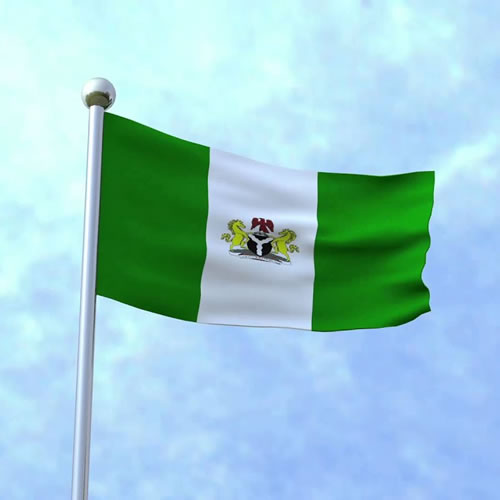
If corruption were a person, its name is Nigeria. The nation bleeds daily under hardship, economic crisis, and collapsed security. Nigeria bleeds because of systemic corruption, poor leadership, and weak institutions. This article examines the causes of this decay, its effects on citizens, and practical solutions for national recovery.
Corruption in Nigeria is no longer an act, but it is a system. It runs from the highest office in Abuja to the local government secretariat. Money meant for roads, hospitals, and schools is stolen by politicians. They carry out these acts in the name of contracts, which are fake. Anti-corruption agencies like EFCC try to arrest them, but big people hardly go to jail. But when a poor man steals even just pure water, police will catch him fast. This is not fair.
Because of this, the young upcoming generation thinks that stealing is the only way to be rich. Young boys that should be in school gaining knowledge to better their lives are seen joining fraud. That’s why online scamming and fraud like yahoo and yahoo plus has an increasing rate daily. Therefore until we stop Corruption, Nigeria cannot move forward.
Another major problem faced by the country is bad leadership. Many of our leaders today do not have good plans when they enter office. They just want power and money. When something goes wrong, they would blame the past government instead of solving the problem. They start projects today and abandon them tomorrow. Most of our leaders only do roads when it’s close to election period. Some leaders see government work as their birthright. They do not care about the people. That is why we have poor roads, no light and bad hospitals. Countries like Rwanda were poor before, but because of good leaders changed their country. Also, leadership in Nigeria is based on tribalism whereas only the major group can rule the country. Tribalism and religion divide us. Politicians use “ethnicity and religion card” instead of ideas. Sanwo-olu had to beg Nigerians to stand united in June 2026.
Institutions are the systems that should control leaders and protect citizens. But in Nigeria, these systems are weak. Policemen that should guide us now take bribes, ₦200 naira for tricycle, and even our court is full with corrupt judges which take bribes to rule final verdict. Our courts take too long to give judgement. The brutality of police has led to fear, as seen during “EndSARS”. Government is slow and lazy. Because of this, rich people can break the law and go free. In other developed countries like “America”, the law works for everybody. In Nigeria, it only works for the poor. So therefore if we want to be better, we must make our police, courts, and government offices strong and independent.
Economically, Nigeria has nothing good to write home about. The oil that should help us is being stolen through illegal business, causing economic hardship. Inflation is biting hard. According to the National Bureau of Statistics, headline inflation rose for a third consecutive month. Cooking gas price has become unbearable. ₦2,000 per kilogramme is now the current price of gas in some markets. Many families have abandoned gas and returned to firewood and charcoal. Fuel price also causes suffering. Many filling stations still sell petrol between ₦1,250 and ₦1,350 per litre. Civil servants are crying out because workers cannot cope with rising cost of living. Transport, food, health care costs have made life difficult for ordinary Nigerians, not to talk about those without jobs or the self employed citizens. Most areas still get 4-6hrs daily, no stable power, which leads to factories closing, businesses dying and high cost of production. Investors avoid Nigeria because of policy inconsistency. Naira keeps falling vs dollar.
The security situation in Nigeria is bleeding worse in 2026. Kidnapping is now daily news we wake up to. On June 20, 2026, terrorists attacked Tsamiya Community in Kebbi state, abducted residents and set structures ablaze. In Plateau state, more than 22 persons including health workers and security personnel were killed by gunmen in Bokkos Local Government Area on Sunday night. Farmers cannot go to farm because bandits impose taxes and kill those whose families cannot provide the ransom money. Labour leaders say insecurity is the biggest indicator of government failure. “If I can’t go to my farm and come back safely, if I plant and can’t return to harvest, then it has multiple effects on the welfare of the citizens.”
All of these problems affect normal Nigerians. University graduates have no job, many of them engage in selling things on the street or travel abroad illegally. Parents cannot pay school fees because things are too expensive. Moreover, kidnapping of students is now normal. 49 children kidnapped in Borno last month and also teachers and students were also abducted in Oyo June 2026. Parents now fear school. Farmers cannot go to farm because of kidnappers and bandits. This makes food very expensive. Many youths are frustrated and angry. Some join fraud and illegal migration “Japa” as they call it. A nation that fails its youth, “that’s Nigeria”. When a country does not care for its youths, that country will not last. Even though Nigeria is bleeding, we can still recover: first of all we must fight corruption for real. EFCC should arrest both the poor and the rich people. Leaders should show the public what they own. Secondly, we must choose better leaders. We must vote with a better plan, not because they give us rice or ₦5,000 during election. Another thing that needs to be done is fixing institutions. Police should be trained and paid well. Courts should be faster and independent. Lastly, citizens must also do their part. We should learn how to speak up when government does wrong. Recovery would not be easy, but it is possible if we all work as one because we are in this together.
Nigeria is bleeding, but it is not dead yet. The problems of the country are corruption, bad leadership, weak institutions, economic hardship and insecurity. The end result is suffering for the people. But we can solve it. It would take honest leaders, strong institutions, economic reforms, better security, and citizens that care to make it a better place. The only question we are left with is “would we stand and fight or sit and watch?” The future of this bleeding nation is in our hands.