
Africa
Nigeria’s 2025 Tax Reforms: Balancing Growth and Citizen Burden -By Abubakar Muhammed Kaigama
Public awareness campaigns, simplified tax education, and transparency portals could go a long way in bridging this gap. “Taxation should not be seen as punishment,” said policy advocate Amina Yusuf. “It’s a civic duty that supports nation-building but only when citizens trust the system.”

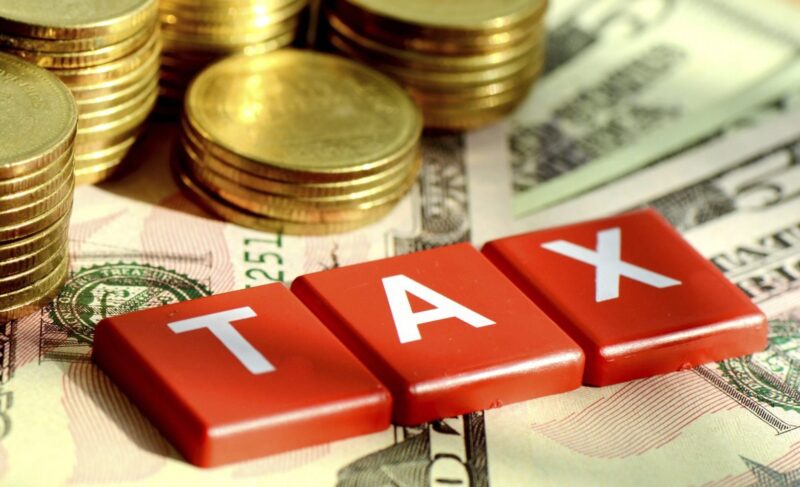
When the Federal Government of Nigeria announced the 2025 tax reform policy earlier this year, reactions were immediate and divided. For some, it was a bold step toward economic independence. For others, it was yet another burden on citizens already stretched thin by rising inflation and shrinking incomes. As the debate continues, one question stands at the center of it all: Can Nigeria’s new tax regime truly balance national growth with the welfare of its people?
For decades, Nigeria has leaned heavily on oil revenues to finance its economy. However, global oil price fluctuations and falling production have exposed the country’s fiscal vulnerability. In response, the federal government introduced the 2025 tax reforms a comprehensive package designed to broaden the tax base, curb evasion, and align Nigeria’s tax structure with modern global practices.
Under the reforms, new taxes have been introduced on digital services, luxury items, and high-income earners, while efforts are being made to bring informal sector businesses into the formal tax net. The government also plans to review Value Added Tax (VAT) collection and streamline processes through digital tax systems. Officials argue that these changes will create a fairer and more sustainable revenue system.
According to the Ministry of Finance, the goal is not just to raise revenue but to ensure fiscal stability and reduce reliance on borrowing. “Our aim is to make taxation more efficient and equitable,” a senior ministry official explained. “Everyone who benefits from public infrastructure should contribute to its maintenance
But while the reforms may look good on paper, ordinary Nigerians have mixed feelings. Many worry that the new taxes could trigger another wave of price increases. The cost of food, transport, and utilities has already risen sharply in recent years, leaving millions struggling to make ends meet.
In Lagos, civil servant Grace Adeyemi expressed concern about the potential impact. “They keep introducing new taxes, but our salaries remain the same,” she said. “We want development, yes, but not at the cost of our survival.”
Her frustration echoes across markets and communities nationwide. Traders, small business owners, and artisans fear being forced to pay more without seeing any visible benefits. For many, taxation has become synonymous with government insensitivity rather than national progress.
Economists agree that Nigeria needs a more effective tax system, but they caution that timing and implementation are key. Dr. Kelechi Onuoha, a fiscal policy analyst, believes that while broadening the tax base is necessary, the government must also address corruption and waste.
“You can’t expect citizens to willingly pay higher taxes when they don’t trust that the money will be used transparently,” Onuoha said. “Tax reforms must go hand in hand with reforms in governance and accountability.”
Another concern raised by experts is that the informal sector which accounts for more than 60% of Nigeria’s economy may resist formal taxation unless incentives and awareness programs are introduced. Building trust, they argue, is as important as building systems.
Several developing countries have successfully implemented tax reforms by prioritizing accountability and citizen engagement. In Kenya, for instance, the government’s introduction of digital tax services improved efficiency and reduced corruption. Rwanda also saw increased compliance after using tax revenues to fund visible community projects such as schools, hospitals, and rural roads.
Nigeria could follow similar paths by ensuring that tax funds are clearly linked to development outcomes. When citizens see their taxes producing tangible results, compliance improves naturally.
One major challenge with Nigeria’s tax system has always been communication. Many citizens do not fully understand how taxes work or why they are necessary. The government’s messaging around the 2025 reforms has also been criticized as vague and technical, making it difficult for the average Nigerian to grasp its benefits.
Public awareness campaigns, simplified tax education, and transparency portals could go a long way in bridging this gap. “Taxation should not be seen as punishment,” said policy advocate Amina Yusuf. “It’s a civic duty that supports nation-building but only when citizens trust the system.”
Ultimately, the success of Nigeria’s 2025 tax reforms depends on balance the balance between revenue generation and citizen protection, between ambition and empathy. It requires a government that not only collects taxes efficiently but also spends them wisely. It demands transparency, accountability, and fairness in every aspect of public finance.
For Nigeria, the reforms represent a crucial step toward long-term economic stability. But if not implemented with sensitivity and sincerity, they could deepen public frustration and widen the gap between government and governed.
As the nation watches the policy unfold, one thing remains clear: true progress cannot be achieved by burdening the people. Sustainable growth must be built on trust, fairness, and shared responsibility values that transform taxation from a source of pain into a tool for prosperity.
Abubakar Kaigama Muhammed, wrote from Kashim Ibrahim university























You must be logged in to post a comment Login