Global Issues
Rethinking the IMF Raison d’Être: A Perspective from the Global South, by Jo M. Sekimonyo

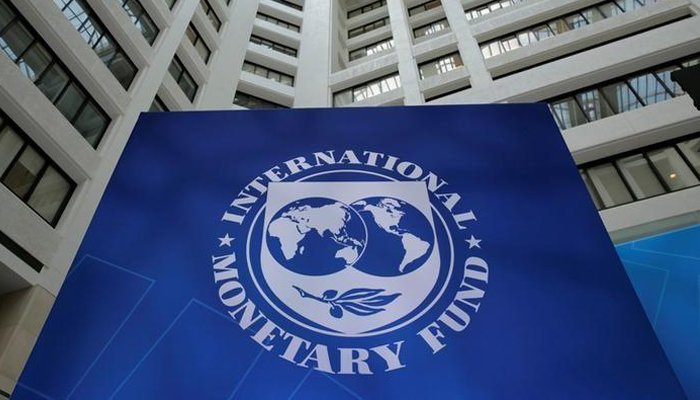
The International Monetary Fund (IMF), brought into existence in 1944 amidst the profound upheaval of a world reconstructing itself after the cataclysm of World War II, was envisioned to foster currency convertibility and international trade within the framework of the Bretton Woods system. Its noble aim was to stabilize global economies and extend a lifeline to financially distressed nations. Yet, it is imperative to reflect on the context of this era: colonization persisted, and the voices and concerns of the colonized were conspicuously absent from the IMF’s agenda.
Fast forward to 1971, when the US decided to rip up the Bretton Woods agreement, The IMF had to pivot to managing balance of payments in a world of floating exchange rates.
Then in the 1980s, it introduced structural adjustment programs, requiring countries, especially in the Global South, to implement austerity measures for financial assistance. This earned the IMF a reputation as the West’s enforcer, imposing harmful economic reforms on struggling nations. In many cases, these financial problems were exacerbated by despots installed and supported by Western powers under the guise of Cold War strategies.
The allocation of Special Drawing Rights (SDRs) further highlights the IMF’s biases. Wealthier countries receive a larger share of SDRs based on their contributions, while poorer countries, which need them more, get less. For example, in the 2021 SDR allocation, two countries roughly the same as population goes, the rich United Kingdom received about $ 19.32 billion, while Tanzania, its former colony and a much poorer country, received only about $.38 billion. Low-income countries then struggle to turn these SDRs into usable currency, making the IMF’s system look like a rigged carnival game.
These issues highlight the complexities and challenges of the IMF’s approach, fueling debates on whether to dismantle or reform the system to make it more equitable and effective in meeting global economic needs.
**Leg Up: The Debt Dilemma of Developed Nations**
Developed nations like the U.S., China, France, and Japan are caught in a debt spiral, thanks to their hefty investments in keeping their citizens happy and their economies buzzing. This financial strain is further exacerbated by the addiction to economic growth and the deep-seated structural challenges that accompany it, resulting in a fragile fiscal landscape where debt levels surge to alarming heights.
The strain of an aging population only deepens the crisis, as it drives up spending on pensions and healthcare. Simultaneously, these nations must invest heavily in education to ensure their citizens remain competitive in high-income sectors of a globalized economy.
In essence, these highly indebted nations face a daunting task in fully resolving their debt issues. Achieving a comprehensive solution is improbable and could potentially trigger social and political unrest. Instead, these countries are likely to continue accumulating debt, perpetuating their financial woes.
It is important to acknowledge that this predicament is particularly unfair to the citizens and governments of poorer countries. Often subjected to unjust criticism and mischaracterized as lazy or excessively indebted relative to their GDPs, these nations do not benefit from the same economic tricks that sustain their wealthier counterparts. Instead, they face severe socio-economic hardships without access to comparable financial paraphernalia or support.
Addressing these global economic inequities requires innovative solutions to confront the systemic imbalances and provide fairer opportunities for all nations. This means providing financial compensation to poorer countries so they can invest in infrastructure, education, and initiatives that promote economic and social development.
**Reparations or Debt Relief?**
The issue of financial reparations for the wrongs of colonization is deeply intricate, interlaced with historical injustices and the enduring specters of exploitation and inequality. The emotional weight would be substantial for all parties involved, and as often, those responsible for these transgressions only accrue additional debts, perpetuating a cycle of financial strain that fails to address the root problems. Such a strategy is unlikely to advance the global economy or mend past wounds.
Yet, a potential avenue for relief might lie in global debt reduction initiatives, such as debt relief programs for Highly Indebted Nations (HIN). These efforts could substantially alleviate global debt while fostering inclusive benefits.
Two possible strategies are:
1. **Nation-Centric Credit Allocation**: Grant one trillion dollars to each nation, regardless of its size or economic status.
2. **Per Capita Credit Distribution**: Ten thousand dollars to every individual worldwide, irrespective of age or nationality. Each country’s national account would be credited a sum proportional to its population.
Both approaches aim to transcend the limitations of traditional reparations schemes and IMF SDRs allocations, offering a pragmatic framework for reducing debt and promoting global economic stability and inclusivity.
**Allocating Funds with Accountability**
Priority must be accorded to resolving any outstanding external debts before addressing internal financial obligations. This principle recognizes the imperative to honor international commitments as a foundation for sustainable economic integrity.
Assuming that a nation’s financial balance is favorable, it is proposed that a quarter of the funds be dedicated to the enhancement of infrastructure, another quarter to the expansion of social programs, and the remainder to elevating the universal minimum wage to $2 an hour. This allocation should be implemented over a period of five years, with oversight and approval from the nation’s legislative body, ensuring that the process remains transparent, equitable, and accountable.
**Benefits for All**
For the most indebted countries, reducing debt will ease the pressure to cut social programs or raise taxes. For less indebted nations, it will provide surplus funds to enhance their socio-economic conditions and prevent civil unrest. The least developed nations receiving this liquidity will likely focus on rapid modernization rather than mere industrialization which will most likely benefit again the most people indebted countries who happen to have the know-how.
Advanced economies will benefit from increased industrial production, investment, and consumer spending, while global job growth and lower unemployment will result from support for Highly Indebted Nations (HIN). This shift will also reduce the migration of the poor in search of better opportunities. Even if some funds are misused, overall, the standard of living will improve, addressing the dire state of global poverty.
The IMF’s New Role and Missions
The IMF’s core function will extend into the realm of vigilant stewardship, encompassing the meticulous monitoring of national account balances, the facilitation of external debt payments, and the management of internal financial obligations. Its mission will be a tapestry of comprehensive oversight, ensuring that every nation aligns with these foundational principles.
In this renewed role, the IMF will transcend its traditional boundaries, not merely reinforcing its position as a sentinel of global economic stability but also endeavoring to nurture the economic well-being of all its member states. By weaving these threads together, the IMF will strive to harmonize the disparate elements of the global economic system, fostering a more balanced and resilient world.
Jo M. Sekimonyo is a theorist, human rights activist, political economist, and social philosopher