
Africa
Silenced by Sentiment: Why Arewa Refuses to Rise -By Shamsuddeen Suleiman Malami
If we truly want to see change in the North, then we must make some sacrifices. The fight for justice is not comfortable. It demands that we abandon political favoritism and embrace difficult truths. It demands that we respect those who speak up even if we don’t agree with everything they say.

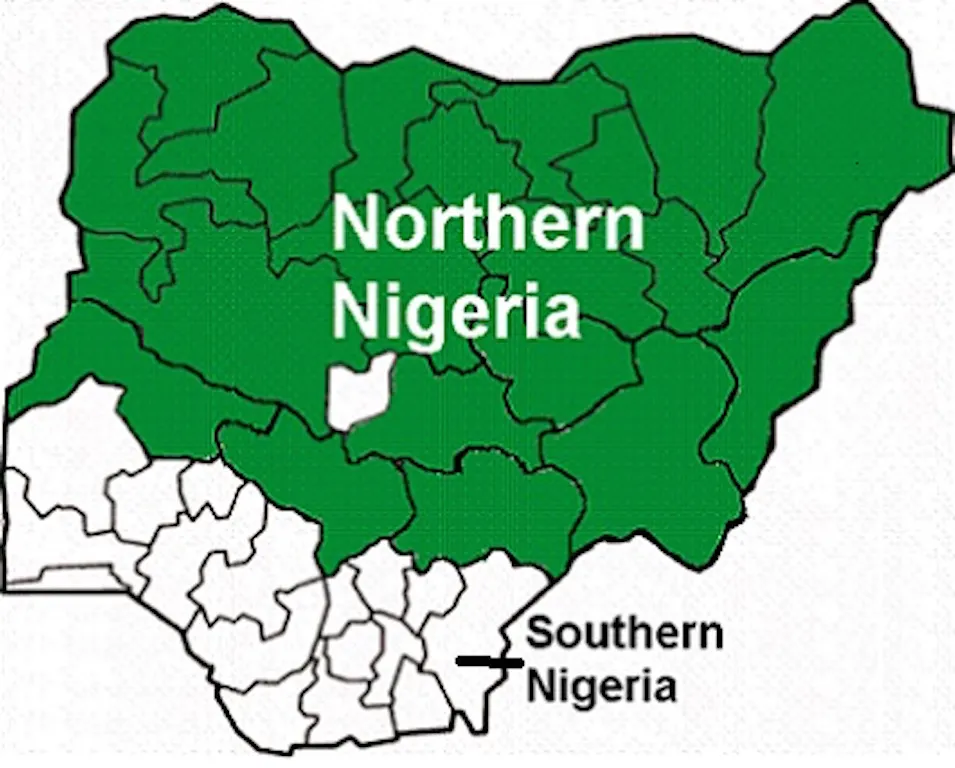
For years, I’ve carried a burdened question in my heart: Why is Northern Nigeria consistently left behind? This question haunts me not just because I am a Northerner, but because the facts surrounding our condition are too glaring to ignore.
Across Nigeria today, the worst of our national crises seem to find a home in the North rampant insecurity, staggering poverty, poor infrastructure, religious extremism, high divorce rates, and crushing unemployment. Ironically, this is the same region that has produced the highest number of national leaders. From military generals to democratically elected presidents, from powerful governors to top-ranking ministers the North has held more political power than any other region. Yet, we continue to suffer the most.
One of the fundamental problems in Northern Nigeria is the deep misunderstanding or deliberate distortion of activism. In this part of the country, when someone stands up to demand justice or advocate for the people, he is often dismissed as a jobless troublemaker. He is branded as “a youth without direction,” a “nuisance,” or worse, a “threat to peace.”
The term “community activist” is viewed with suspicion. It is rarely celebrated. Instead, young Northerners are subtly (and sometimes openly) discouraged from becoming civic advocates. They’re taught to be obedient, quiet, and submissive not critical, curious, or bold. This culture of silence has cost us dearly.
But the truth is this: the North is not lacking in brilliant minds. Allah has blessed our region with intelligent, creative, and thoughtful individuals men and women who, if empowered, could lead us out of our current crisis. Sadly, we suppress their voices before they even rise.
To see the contrast, look no further than Southern Nigeria. There, activism is vibrant and fearless. The South has produced passionate advocates who speak up not because they want political appointments, but because they are driven by the love for their people.
Take for example:
•VeryDarkMan, a digital activist using his platform to demand accountability.
•Omoyele Sowore, a journalist and former presidential candidate who, despite political persecution, remains committed to social justice.
These individuals are not perfect. They differ in ideology and methods, but their mission is clear: hold power to account and defend the rights of the people. They don’t care whose toes they step on whether it’s a governor, a senator, or even a president. When leaders fail, they speak up. And in doing so, they inspire a civic awakening.
Now, compare that to the North.
We do have voices trying to break through Ahmad Isa (of Brekete Family), Dan Bello, and Abba Hakima are a few among the rare breed. They speak truth to power and assist the oppressed. But tragically, they are often attacked not by the elites, but by the very people they are trying to help.
Why? Because many ordinary Northerners have become overly sentimental fiercely loyal to political figures who have done little or nothing for them. A slight criticism of a political “godfather” is seen as blasphemy. The activist is branded an enemy. This reaction, frankly, is a product of ignorance and manipulation. It shows how successfully the political elite has conditioned the masses to defend oppression.
•Zamfara: A Case Study in Leadership Failure
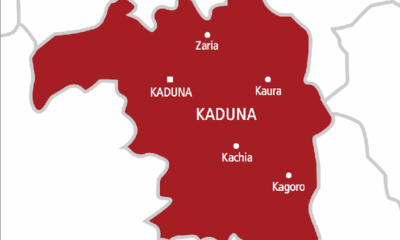
Consider what’s happening in Zamfara State. The region has become a killing field. Massacres happen weekly. Communities are displaced. Children are orphaned. Women are widowed. And yet — the Minister of State for Defence is from Zamfara. The Minister of Defence is from neighboring Jigawa. Both are Northerners. One would expect that with this level of representation in the country’s security architecture, some form of relief would have come by now. Instead, the killings have worsened.
Let’s be honest if these atrocities were happening in the South, activists would have stormed the streets. Civil society groups would have flooded the media. Pressure would have mounted until something gave. But here in the North, there is silence. Complacency. In some cases, even justification.
The North’s greatest weakness is sentiment over principle. We are too emotionally attached to tribe, religion, and personality. We defend leaders not because they serve us well, but because they look like us, speak our language, or belong to our sect. This blind loyalty is our biggest curse.
Until we free ourselves from this mental captivity, we cannot progress. Development does not come by praying alone. It comes through action by holding leaders accountable, challenging injustice, and elevating truth over loyalty.
If we truly want to see change in the North, then we must make some sacrifices. The fight for justice is not comfortable. It demands that we abandon political favoritism and embrace difficult truths. It demands that we respect those who speak up even if we don’t agree with everything they say.
Progress begins when we, the people, stop worshipping personalities and start embracing principles. When we prioritize truth over tribe. When we raise our children to question power, not fear it.
The South has figured this out. It’s time the North does too.
But then again, one cannot help but ask:
Will the North ever change?
Shamsuddeen Suleiman Malami
Journalist & Civic Commentator
















You must be logged in to post a comment Login