
Health and Lifestyle
Toxoplasmosis: The Silent Zoonotic Threat We Can No Longer Ignore -By Dr. Moris Umoru
Toxoplasmosis may not dominate headlines, but its impact is felt in hospitals, farms, households, and communities around the world. Its quiet spread should not be mistaken for harmlessness. As our relationship with animals and the environment continues to evolve, so too must our commitment to preventing diseases that cross the boundary between species.

The Hidden Danger Among Us
Every day, millions of people interact with animals, consume meat, and cultivate crops without realizing they may be exposed to one of the world’s most widespread parasitic infections. While many zoonotic diseases receive considerable public attention, toxoplasmosis often remains overlooked despite its far-reaching consequences for both human and animal health. Its silent nature has allowed it to persist as a significant public health concern, affecting vulnerable populations and causing substantial economic losses in livestock production.
The growing interaction between humans, domestic animals, wildlife, and the environment has created conditions that favor the continued transmission of this disease. This reality makes toxoplasmosis not only a veterinary issue but also a public health priority that demands greater awareness and coordinated action.
Why Toxoplasmosis Deserves Greater Attention
Toxoplasmosis, caused by the protozoan parasite Toxoplasma gondii, has an extraordinary ability to infect virtually all warm-blooded animals, including humans. Domestic and wild cats play a unique role in the parasite’s life cycle by shedding infective oocysts into the environment, contaminating soil, water, feed, and agricultural produce. These contaminated sources become important pathways through which both animals and humans acquire infection.
Although most healthy individuals experience few or no symptoms, the disease presents a much greater threat to pregnant women, newborns, immunocompromised individuals, and livestock. This disparity between its often silent presentation and its potentially devastating consequences contributes to its status as an underestimated zoonotic disease.
Understanding the Drivers of Transmission
Several interconnected factors continue to sustain the spread of toxoplasmosis across communities. Consumption of undercooked or poorly processed meat remains one of the most common routes of human infection, particularly where food safety practices are inadequate. Similarly, eating unwashed fruits and vegetables or drinking contaminated water increases exposure to infective stages of the parasite.
Environmental contamination also plays a major role. Free-roaming cats, poor waste disposal systems, inadequate farm biosecurity, and increasing human encroachment into wildlife habitats all facilitate the persistence of the parasite. In many developing countries, including Nigeria, limited public awareness and insufficient routine surveillance further complicate prevention efforts.
Occupational exposure places veterinarians, livestock farmers, abattoir workers, meat processors, and laboratory personnel at increased risk because of their regular contact with potentially infected animals and animal tissues.
The Human and Animal Cost
The impact of toxoplasmosis extends far beyond infection statistics. In livestock, particularly sheep and goats, the disease is a major cause of abortion, stillbirths, weak offspring, and neonatal deaths. These reproductive losses directly reduce farmers’ incomes and threaten food security, especially for rural households that depend on livestock for their livelihoods.
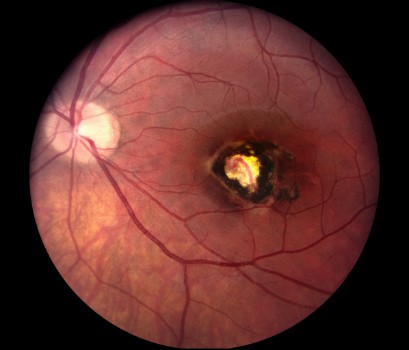
For humans, the consequences can be even more profound. Infection during pregnancy may lead to miscarriage, congenital abnormalities, visual impairment, or lifelong neurological complications in affected children. Individuals with weakened immune systems may develop severe complications involving the brain, lungs, eyes, and other organs, often requiring urgent medical intervention.
Beyond its clinical effects, toxoplasmosis places additional pressure on healthcare systems, veterinary services, and national economies through increased treatment costs, reduced livestock productivity, and preventable public health burdens.
Building a Stronger Response
Reducing the impact of toxoplasmosis requires collective responsibility rather than isolated interventions. Public education on food hygiene, safe meat preparation, proper handwashing, and responsible pet ownership remains fundamental. Farmers should adopt improved biosecurity practices by preventing cats from accessing livestock feed, controlling rodent populations, and maintaining hygienic animal housing.
Healthcare professionals and veterinarians must continue working collaboratively under the One Health approach to strengthen disease surveillance, promote early diagnosis, and improve community awareness. Routine monitoring of livestock populations, enhanced food inspection systems, and sustained public health campaigns can significantly reduce transmission.
Research institutions and policymakers also have important roles in supporting evidence-based interventions, strengthening laboratory capacity, and developing policies that protect both animal and human health.
The Veterinary Profession at the Forefront
Veterinarians occupy a unique position at the intersection of animal health, food safety, and public health. Their responsibilities extend beyond clinical care to disease surveillance, farmer education, outbreak prevention, and advocacy for safer livestock production systems. By recognizing zoonotic diseases early and promoting preventive measures, veterinarians contribute directly to healthier communities and safer food systems.
The fight against toxoplasmosis cannot be won by one profession alone. It demands collaboration among veterinarians, physicians, environmental health experts, policymakers, researchers, and the public.
A Call for Greater Awareness
Toxoplasmosis may not dominate headlines, but its impact is felt in hospitals, farms, households, and communities around the world. Its quiet spread should not be mistaken for harmlessness. As our relationship with animals and the environment continues to evolve, so too must our commitment to preventing diseases that cross the boundary between species.
Protecting human health begins with protecting animal health, and the success of that mission depends on informed choices, scientific collaboration, and sustained public awareness. In the end, the greatest defence against silent zoonotic threats is not fear, it is knowledge put into action.
DR UMORU MORIS (DVM, MPHP)

























You must be logged in to post a comment Login