
Health and Lifestyle
When Every Second Counts: The Public Health Consequences Of Weak Emergency Medical Response Systems In Nigeria -By Ojukwu Collins Uchenna
Every medical emergency presents a moment when the quality of a healthcare system is tested. The ability to respond effectively reflects a nation’s preparedness, its investment in public health and its commitment to protecting human life.

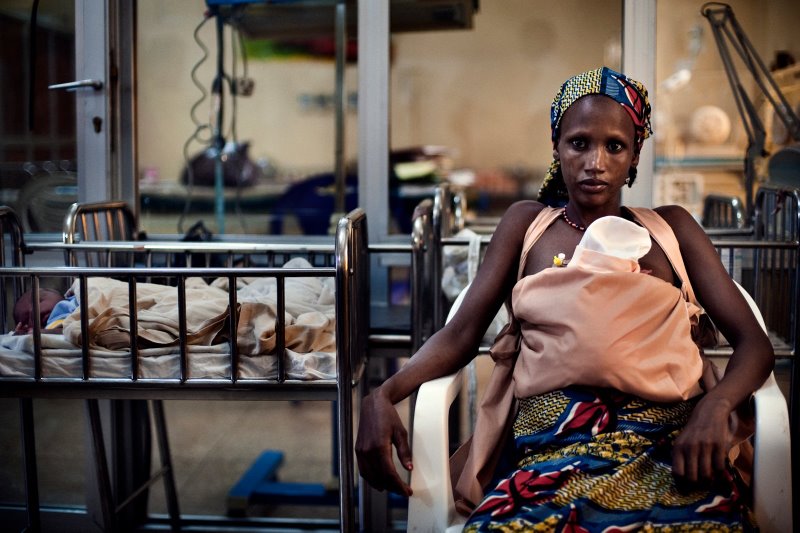
In a medical emergency, the difference between life and death may depend not only on the severity of an illness or injury, but also on how quickly a patient receives appropriate care.
A road traffic accident, a sudden stroke, a severe asthma attack, a complicated childbirth or an outbreak of a life-threatening infection can change a person’s life within minutes. In such moments, time becomes one of the most important factors determining survival. Yet, for many Nigerians, obtaining emergency medical assistance can be complicated by traffic congestion, limited ambulance availability, inadequate first-aid knowledge, financial constraints and delays in accessing appropriate hospital care.
These challenges raise an urgent public-health question: how many lives could be saved if Nigeria had a more coordinated, accessible and reliable emergency medical response system?
Emergency medicine is often associated with doctors working under pressure in hospital emergency departments. However, effective emergency care begins long before a patient reaches a hospital. It includes recognising an emergency, contacting the appropriate services, providing immediate assistance, transporting the patient safely and ensuring that the receiving facility is prepared to deliver timely treatment.
When any part of this chain fails, the consequences can be devastating. Strengthening emergency medical response systems must therefore become a more prominent priority in Nigeria’s healthcare agenda.
Emergency Care Is More Than an Ambulance
A functioning emergency medical system depends on several interconnected services. These include accessible emergency telephone lines, trained dispatch personnel, equipped ambulances, competent first responders, well-prepared emergency departments and effective communication between healthcare facilities.
An ambulance is an important component of this system, but its presence alone does not guarantee better outcomes. Emergency vehicles must be appropriately equipped, staffed by trained personnel and supported by reliable communication and referral arrangements. Hospitals must also have the personnel, medicines, equipment and facilities necessary to manage patients when they arrive.
Consider a victim of a road traffic accident who sustains severe bleeding. The outcome may depend on whether bystanders can recognise the seriousness of the injury, whether emergency services can be contacted, how quickly trained responders arrive, and whether bleeding is controlled before the patient reaches a hospital.
Similarly, a person experiencing a stroke may lose valuable treatment opportunities if symptoms are not recognised or transportation is delayed. A pregnant woman experiencing severe bleeding during childbirth may require immediate stabilisation and urgent access to a facility capable of providing emergency obstetric care.
These examples demonstrate that emergency care is not a single intervention. It is a coordinated process in which every stage matters.
The Burden of Delayed Emergency Response
Nigeria faces significant public-health challenges associated with road traffic injuries, cardiovascular emergencies, maternal complications, infectious diseases and other acute medical conditions. Although these conditions have different causes and require different treatments, they share an important feature: delays in receiving appropriate care can worsen outcomes.
The World Health Organization identifies road traffic injuries as a major global public-health problem, with approximately 1.19 million deaths annually worldwide. Many road traffic deaths and serious injuries occur in circumstances where prevention, timely emergency assistance and appropriate trauma care can make a difference.
Beyond road accidents, emergency response is essential for patients experiencing heart attacks, strokes, severe allergic reactions, poisoning, respiratory distress and obstetric emergencies. Infectious disease emergencies may also require rapid recognition, isolation where appropriate, safe transportation and prompt clinical management.
For patients with severe illness, even relatively short delays can have serious consequences. However, the effect of a delay depends on the condition, its severity and the treatment required. Improving emergency response must therefore involve condition-specific protocols, early recognition and timely access to effective interventions rather than relying on speed alone.
Nigeria’s challenge is not simply to move patients more quickly. It is to ensure that patients receive the right care, from the right personnel, at the right time.
The Gaps in Nigeria’s Emergency Response System
One of the major challenges facing emergency care in Nigeria is the gap between the need for emergency assistance and the ability of organised services to provide it. In many situations, families and bystanders must make urgent decisions about transportation without clear guidance on where to seek help or which facility can manage the patient’s condition.
A report published by The Guardian in April 2026, citing an industry assessment of Nigeria’s emergency medical system, reported that public ambulances handled only a small proportion of emergency transport cases, while many patients relied on commercial vehicles, private cars or other informal arrangements. The report also identified problems involving coordination, ambulance dispatch, funding and access to emergency services. These figures should be interpreted in the context of the report’s methodology, but they illustrate the wider concern about reliance on informal transportation during medical emergencies.
The challenges are not limited to ambulance availability. Poor communication networks, limited public awareness of emergency telephone numbers, inadequate staffing and weak coordination between emergency responders and hospitals can undermine the effectiveness of the entire system.
In March 2026, Premium Times reported that the Federal Government was working to strengthen emergency care through the National Emergency Medical Service and Ambulance System (NEMSAS). Government representatives acknowledged the need to improve access to emergency services, coordination and awareness of the national emergency number, 112.
These developments demonstrate that efforts to improve emergency care are already underway. The challenge is to ensure that such efforts translate into reliable, accessible services that work consistently across states and local government areas.
The Human and Economic Consequences
Weak emergency response systems affect more than survival rates. They can increase the risk of permanent disability, prolong recovery, raise medical expenses and place significant emotional and financial pressure on families.
When a worker sustains a serious injury and cannot obtain timely treatment, the consequences may extend to the entire household. When a parent dies from a preventable emergency, children may lose financial support and essential care. When emergency complications occur during pregnancy or childbirth, the effects can extend to newborn survival and the wellbeing of the wider family.
The economic consequences are equally important. Road traffic injuries and other medical emergencies can remove people from the workforce, increase household expenditure and place additional pressure on already stretched healthcare facilities.
The World Health Organization emphasises that delays in post-crash care can worsen injuries and that timely pre-hospital and hospital care are important components of an effective road safety response. It also recommends coordinated emergency communication, ambulance dispatch and transportation to facilities capable of treating the patient’s injuries.
Nigeria must therefore recognise emergency medicine as an essential component of public health and economic development, rather than treating it as a service required only during exceptional circumstances.
Building a More Reliable Emergency Medical System
Addressing these challenges requires a coordinated strategy involving government, healthcare institutions, emergency responders, telecommunications providers and local communities. Simply purchasing additional ambulances will not be enough unless the supporting systems are equally strengthened.
First, Nigeria needs a more accessible and coordinated emergency communication system. The national emergency number, 112, should be widely publicised, reliably connected and supported by trained call handlers who can identify emergencies, determine locations and dispatch appropriate assistance. Public awareness campaigns should teach people when and how to contact emergency services.
Second, investment in ambulance services must go beyond acquiring vehicles. Ambulances need regular maintenance, essential equipment, trained personnel and reliable communication systems. Emergency services should also have clear arrangements for transferring patients to facilities equipped to manage their conditions.
Third, hospitals must strengthen their emergency departments. Emergency facilities require adequate staffing, essential medicines, oxygen, diagnostic equipment, blood supplies and protocols for rapidly assessing and treating critically ill patients. Effective referral systems are equally important, particularly when a facility lacks the resources to manage a patient’s condition.
Fourth, emergency care must be financially accessible. Patients and their families should not face uncertainty about payment when urgent medical intervention is required. Nigeria should strengthen the implementation of existing emergency-care financing arrangements and ensure that funding reaches facilities providing eligible emergency treatment.
Fifth, emergency response must extend to rural and underserved communities. A system that functions primarily in major cities will leave many Nigerians vulnerable. Community-based first responders, strategically located emergency facilities, improved road access and locally appropriate transport arrangements can help reduce delays in hard-to-reach areas.
Finally, Nigeria should invest in emergency medicine training and professional development. Doctors, nurses, paramedics and other healthcare professionals need opportunities to develop the skills required to recognise and manage life-threatening conditions. Regular emergency drills and coordinated training between hospitals and pre-hospital services can improve preparedness.
These recommendations require sustained funding, clear accountability and measurable performance targets. Governments should monitor response times, ambulance availability, referral delays, treatment outcomes and the distribution of emergency services across communities. Reliable data would help identify gaps, guide investment and determine whether reforms are improving patient outcomes.
The Role of Communities in Saving Lives
While government leadership is essential, communities also have a role to play in strengthening emergency response.
Members of the public can learn basic first aid, recognise warning signs of stroke and heart attack, and understand how to respond safely to road traffic accidents and other emergencies. Schools, workplaces, transport unions, community organisations and local media can support this education.
Commercial drivers and other road users are particularly important because they may be among the first people to encounter an injured person. Appropriate training can help them understand how to summon professional assistance, protect themselves and others, and avoid unsafe actions that could worsen an injury.
However, public participation should complement professional emergency services, not replace them. Volunteers and bystanders should not be expected to perform medical procedures beyond their training or assume responsibilities that require qualified personnel.
A stronger emergency response system depends on cooperation between informed citizens and properly equipped professionals.
A Matter of National Priority
Nigeria’s emergency medical response challenges are serious, but they are not insurmountable. Improving communication, strengthening ambulance services, equipping hospitals, training healthcare professionals and expanding access to emergency treatment can help create a more dependable system.
The country must also build on existing initiatives, including NEMSAS, by improving coordination between federal and state authorities, monitoring implementation and ensuring that emergency services reach vulnerable populations. Progress should be assessed not merely by the number of ambulances purchased or facilities established, but by whether patients receive timely and effective treatment when their lives are at risk.
Every medical emergency presents a moment when the quality of a healthcare system is tested. The ability to respond effectively reflects a nation’s preparedness, its investment in public health and its commitment to protecting human life.
For Nigeria, the goal should be clear: no person should lose a reasonable opportunity for survival simply because emergency assistance was inaccessible, communication failed or appropriate care was unavailable.
When every second counts, emergency care cannot be an afterthought. It must be a fundamental part of Nigeria’s public-health system, supported by reliable services, sustained investment and a collective commitment to saving lives.
By Ojukwu Collins Uchenna
























You must be logged in to post a comment Login