Forgotten Dairies
When Mother Speaks, Character Is Built -By Balkisu Ibrahim
Beyond chores and lectures, African mothers are also known for their sharp awareness of their children’s behavior and attitudes. Sometimes, a simple look from a mother is enough to signal that a child has crossed a line. This silent form of discipline reflects the strong authority mothers hold within the household. Children grow up recognizing and respecting this authority, understanding that their actions carry consequences.

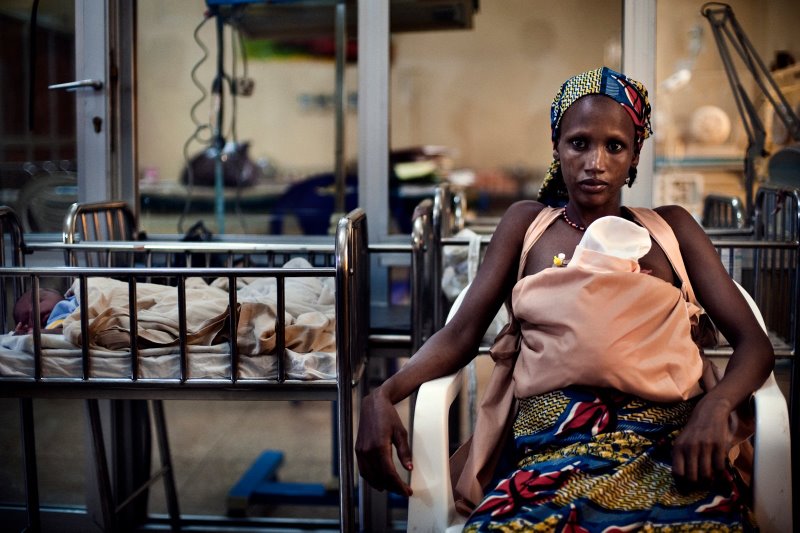
Across many African societies, discipline within the home has long been considered an essential part of raising responsible and morally upright children. The phrase punish you like an African mother is often used humorously among young people today, but behind the humor lies a deeply rooted cultural practice of guidance, correction, and parental commitment. For generations, African mothers have played a central role in shaping the character, values, and behavior of their children through firm discipline balanced with love and concern for their future.
In traditional African families, parenting goes far beyond providing food, shelter, and education. It involves molding the child into a responsible member of the family and society. Mothers, in particular, are often the primary enforcers of discipline in the household. Their strictness is not simply about controlling behavior but about teaching children important life lessons such as respect for elders, honesty, humility, and responsibility. These values are deeply embedded in African culture and are passed down from one generation to the next through everyday interactions within the home.
One of the most recognizable aspects of discipline from an African mother is the seriousness with which she approaches a child’s wrongdoing. A simple mistake may be followed by a long conversation about the consequences of bad behavior. These lectures, though sometimes seen by children as lengthy or intimidating, often carry deep wisdom. African mothers use such moments to explain why certain behaviors are unacceptable and how they can affect a child’s future. In many homes, these talks are remembered years later as words that shaped personal character and decision-making.
Another common element of discipline in African homes is the use of household responsibilities as a corrective measure. When a child misbehaves, they may be asked to sweep the compound, wash dishes, fetch water, or assist with other chores. While these tasks may initially feel like punishment, they serve a greater purpose. They teach children the value of hard work, responsibility, and contributing to the well-being of the household. In many African cultures, children are raised with the understanding that every member of the family has a role to play in maintaining harmony within the home.
Beyond chores and lectures, African mothers are also known for their sharp awareness of their children’s behavior and attitudes. Sometimes, a simple look from a mother is enough to signal that a child has crossed a line. This silent form of discipline reflects the strong authority mothers hold within the household. Children grow up recognizing and respecting this authority, understanding that their actions carry consequences.
It is important to understand that this strict style of discipline is rarely rooted in cruelty or anger. Instead, it is often motivated by deep love and concern for the child’s future. African mothers understand the challenges their children may face in society, and they believe that discipline at home prepares them to face those challenges with strength and resilience. Many adults today look back on their childhood and realize that the strict guidance they received helped shape them into responsible and hardworking individuals.
In many African communities, the responsibility of raising a child does not belong to the mother alone. Extended family members, neighbors, and elders often take part in guiding and correcting children. This communal approach to parenting reinforces discipline and ensures that children grow up with a strong sense of accountability to their family and community. When a child misbehaves, it is not seen as a personal failure of the parent but as a matter that concerns the entire community.
However, as societies continue to change and modern ideas about parenting gain influence, discussions about discipline are evolving. Some parents are exploring ways to balance traditional discipline with more open communication and emotional support. While the methods may change over time, the core intention remains the same: to raise children who are respectful, responsible, and capable of contributing positively to society.
Despite these changes, the legacy of African mothers as strong disciplinarians continues to shape the upbringing of many young people across the continent. Their firm guidance, constant reminders about the importance of education, and unwavering dedication to their children’s success have produced generations of individuals who carry the values of resilience, respect, and determination.
In the end, the discipline of an African mother represents more than punishment. It reflects a tradition of care, sacrifice, and commitment to the future of the next generation. What may appear strict in childhood often becomes a source of gratitude in adulthood. For many people, the lessons learned under the watchful eye of an African mother remain some of the most valuable lessons of life.