
Forgotten Dairies
Why U.S. Military Involvement May Do More Harm Than Good in Nigeria -By Lukman Yusuf Aliyu
Many citizens perceive foreign intervention as a major threat to Nigeria’s sovereignty. A nation that depends on external troops for its internal security may gradually lose the ability to make independent decisions on critical security matters. This could weaken government credibility and project an image of fragile leadership.

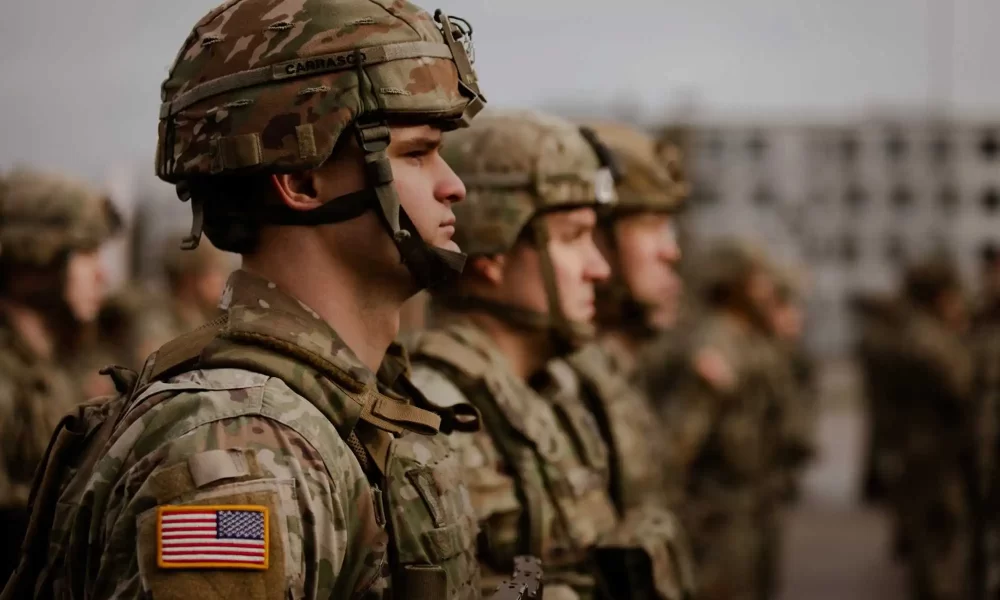
For over a decade, insecurity has become a defining crisis in Nigeria. From insurgency in the North-East to banditry in the North-West and widespread kidnapping across the country, violence has strained public confidence and tested state authority. As frustration grows, so do calls for deeper U.S. military cooperation with Nigeria. Yet experience from other conflict zones suggests that foreign military involvement can produce unintended consequences. Nigeria’s security crisis is rooted in structural governance failures and political interests that external intervention cannot fix and may even worsen.
Earlier in February, Nigeria’s Defence Headquarters confirmed the arrival of over 200 U.S. military personnel and equipment as part of an expanded security cooperation initiative. The deployment, focused on northern states such as Borno and at training facilities including Kainji, is officially aimed at providing technical support, intelligence sharing, and training to Nigerian forces combating insurgent groups such as Boko Haram and other armed factions.
The development has sparked renewed debate within policy circles, particularly following Nigeria’s designation as a “Country of Particular Concern” by former U.S. President Donald Trump over allegations of religious persecution. However, security analysts note that both Christians and Muslims have been victims of violence, underscoring the complexity of Nigeria’s security crisis.
While many Nigerians view expanded U.S. cooperation as a decisive step toward tackling insecurity, history suggests caution. Foreign military involvement, even when limited to training and intelligence support, can produce unintended long-term consequences. Somalia offers a relevant example. Since the early 2000s, the Somali government has received extensive backing from the United States and African Union forces in its fight against the extremist group Al-Shabaab. U.S. support has included military training, intelligence assistance, drone strikes, and special operations. Although these efforts helped prevent state collapse and strengthened Somalia’s national army, they have not eliminated Al-Shabaab. The group continues to control rural territories and carry out deadly attacks, while Somalia remains heavily dependent on external security assistance. The lesson is not that foreign support is useless. Nigeria must avoid a security model that creates long-term dependency rather than sustainable internal reform
Many citizens perceive foreign intervention as a major threat to Nigeria’s sovereignty. A nation that depends on external troops for its internal security may gradually lose the ability to make independent decisions on critical security matters. This could weaken government credibility and project an image of fragile leadership.
Furthermore, extremist groups could exploit the presence of foreign troops to spread propaganda and deepen religious divisions. They may frame the deployment as foreign l interference or manipulate religious narratives to recruit supporters and fuel hatred. In a country where unity remains essential to national stability, such narratives could undermine social cohesion.Ultimately, heavy reliance on foreign troops risks weakening state authority and increasing long-term dependency, which may further erode public confidence in governance.
Nigeria’s insecurity crisis is not merely a battlefield challenge; it is deeply rooted in structural weaknesses. Despite successive governments spending billions of naira on defence and internal security, the situation has continued to deteriorate. The scale of security spending has placed Nigeria among the highest defence spenders in sub-Saharan Africa, yet violent attacks persist across multiple regions. This raises serious questions about efficiency, accountability, and institutional capacity.
Beyond funding, poor coordination among security agencies has remained a major obstacle. Security experts have repeatedly warned that weak intelligence sharing and fragmented command structures limit effective counterinsurgency operations, leaving vulnerable communities exposed. At the same time, widespread youth unemployment and economic deprivation continue to provide fertile ground for recruitment by armed groups. Without confronting these systemic failures, external military deployment risks addressing symptoms rather than the underlying causes of Nigeria’s insecurity.
Insecurity in Nigeria is not just a military problem; it is a test of leadership and governance. While foreign assistance may provide temporary relief, lasting peace will depend on stronger institutions, accountable leadership, and real opportunities for young people. Nigeria must build a security system that earns the trust of its citizens and protects communities without creating dependency. In the end, sustainable security will not come from foreign boots on the ground, but from reforms rooted at home.






















You must be logged in to post a comment Login