
Africa
Beyond the Horizon: Nigeria’s Unwritten Chapter, by Abiodun Komolafe

I fondly recall my time at Ijebu-Jesa Grammar School in Osun State, specifically from 1979/80 to 1982/83. This period stands out due to the Unity Party of Nigeria’s (UPN) Free Education programme, spearheaded by the late Obafemi Awolowo. Under this initiative, education was completely free, covering everything from school fees to basic supplies like pencils and erasers. Although Bola Ige governed the old Oyo State at the time, UPN’s programme was implemented across all states under the party’s control. However, the power transition of power on October 1, 1983 marked a significant turning point for the education system in the old Oyo State, and the region has struggled to regain its footing ever since. This legacy continues to influence Nigeria’s development.
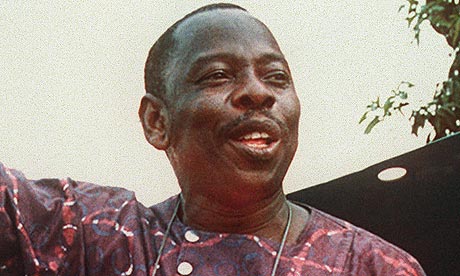
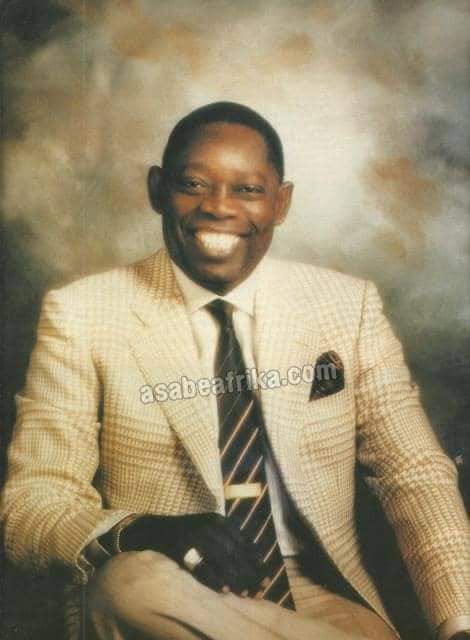
As Aristotle once profoundly observed, “We are what we repeatedly do. Excellence, then, is not an act, but a habit.” For Nigeria, a land blessed with abundance, yet beset by adversity, the quest for excellence remains an enduring odyssey. From the ancient kingdoms of Nri and Oyo to the present day, Nigeria’s story has been one of ebbs and flows, of promise and disappointment. Like the Biblical phoenix, dear fatherland rises, falls, and rises again, with its resilience forged in the crucible of history. Yet, the dream of a greater Nigeria persists, a dream nourished by the sacrifices of heroes past – from Herbert Macaulay to Nnamdi Azikiwe, from Awolowo to Ahmadu Bello, and from Ken Saro-Wiwa to MKO Abiola.
Nigeria, the giant of Africa, has been asleep for decades. Its potential, like a dormant volcano, waits to erupt. But when will it awaken? When will Nigeria return to its former glory and who will bell the cat? These questions echo through the corridors of history. They taunt us with, rather than treat us to, the promises of a better tomorrow.
As migrants return from foreign shores, battered and bruised, they bring with them tales of a world that values human life. They speak of functioning systems, efficient governance and leaders who serve, not rule. But what awaits them in Nigeria? A system that rewards mediocrity, perpetuates inequality, and celebrates corruption. We call it ‘home.’ But is it truly where the heart is?
Again, we ask: when will Nigeria return? Return to its former glory? Return to its people? Return to its promise? Presently, Nigeria is a pendulum swinging between democracy and a deceptive façade, hiding the rot within. Notwithstanding, we hold onto hope, that elusive mistress who tantalizes and disappoints. The country is grappling with numerous challenges that significantly impact its citizens and overall development. Our economic returns are laughable, our social contracts shattered, and our politics a tragic comedy. This has led to a 24-year high inflation rate of 32.70% as of September 2024, causing millions of Nigerians to fall into poverty and inequality, with an estimated 38.9% of the population living below the poverty line.
The stock market fluctuates like a thermometer in a feverish patient, while our leaders play musical chairs with public offices. The social returns are even more dire! Reintegration programmes for returnees are scarce, and community acceptance is a luxury few can afford. We preach unity but practise division. We sermonize about patriotism while lining our pockets with ill-gotten gains.
In our very eyes, insecurity and violence plague various regions, particularly in the Northwest, Northeast and Southeast. Banditry, kidnappings and terrorist groups have not only created a sense of instability, the accompanying humanitarian crisis has also left millions dead, displaced or vulnerable. Infrastructure gaps hinder economic growth, with inadequate access to electricity and limited domestic economic integration.
Limited access to education and healthcare are direct consequences of weakened public services and infrastructure, affecting the quality of life and opportunities for citizens. Unemployment and economic instability lead to limited job prospects while food insecurity, fueled by climate change and conflict, threatens agricultural productivity and food availability. These challenges have far-reaching implications for Nigerians.
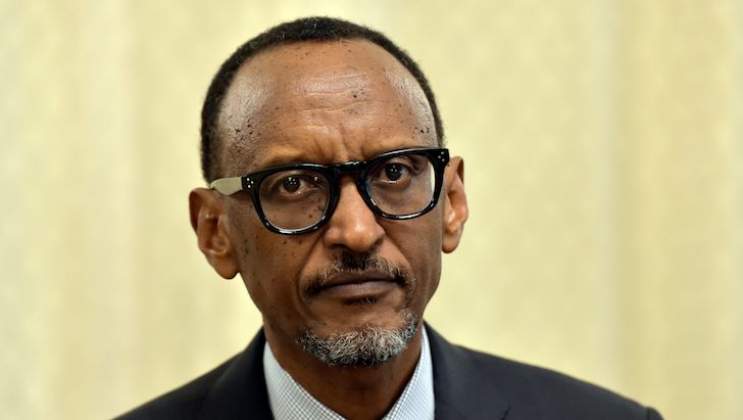
Despite current challenges, Rwanda’s post-genocide reconstruction offers a remarkable example of countries that have overcome significant challenges to achieve economic stability and growth. Under Paul Kagame’s leadership, Rwanda focused on reconciliation, unity, education, healthcare, economic liberalization and anti-corruption measures. Today, Kagame’s Rwanda is a stable and thriving economy, serving as a model for African development.
South Korea’s economic miracle is another inspiring story. Through Five-Year Plans, investment in education and human capital, export-oriented industrialization, and strong state intervention, South Korea rose from a war-torn country to a global economic leader.
Denmark’s recovery from the economic crisis of the 1980s also offers valuable lessons. By implementing fiscal discipline, labour market reforms, investing in education and innovation, and emphasizing social welfare and equality, Denmark now thrives in high living standards and a robust economy.
Ghana’s economic recovery in the 1980s provides further evidence of successful transformation. Economic stabilization programmes, structural adjustment policies, investment in agriculture and infrastructure, and anti-corruption initiatives led to the country’s steady economic growth and democratic stability.
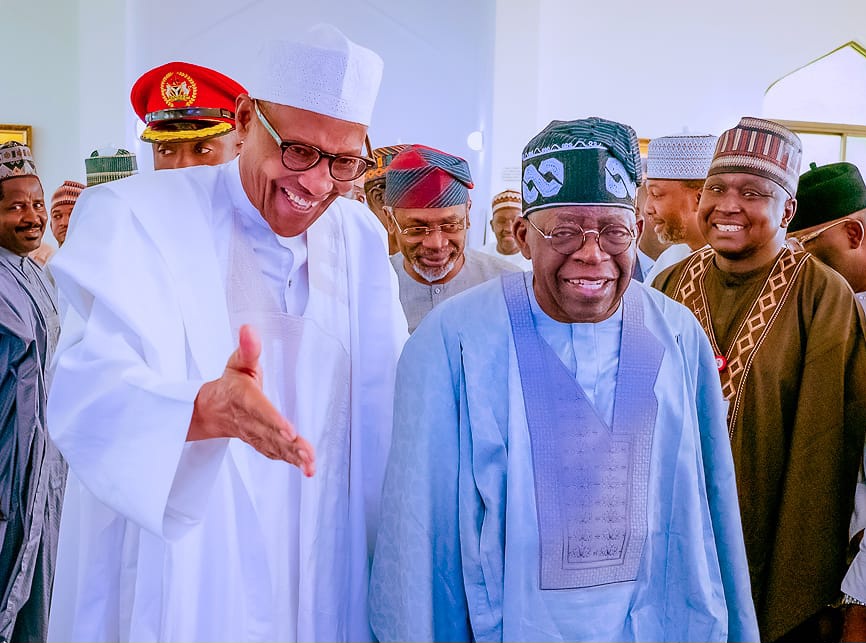
For Nigeria, there is hope! In other words, a better future is possible for Nigeria! Thankfully, the Bola Tinubu-led government has initiated reforms, but more is needed. So, the questions remain! What does ‘return’ mean for Nigeria? Is it economic growth, political stability, social cohesion or moral renewal? Yes, Nigeria’s cultural and historical contexts will undoubtedly shape its path to greatness, but will its development be driven by internal or external factors? Faith and spirituality will also go a long way in shaping Nigeria’s national identity, but how? Again, can a nation’s progress be measured solely by economic indicators or should there be other vital factors at play? Most importantly, can integrating or cultural heritage and social rhythms ignite a profound journey of self-discovery and spiritual awakening?
May the Lamb of God, who takes away the sin of the world, grant us peace in Nigeria!
- KOMOLAFE wrote in from Ijebu-Jesa, Osun State, Nigeria (ijebujesa@yahoo.co.uk)
















You must be logged in to post a comment Login