Africa
Deported by Saudi Arabia, Shielded by Nigeria: The Hypocrisy of Tolerating Sheikh Gumi’s Extremism -By Jeff Okoroafor
The evidence is overwhelming. Gumi is not a “peacemaker”; he is a radical ideologue whose words and actions sustain terrorism. The government must investigate his ties to terrorist groups, ban his public sermons and media appearances, and prosecute him under anti-terror laws.

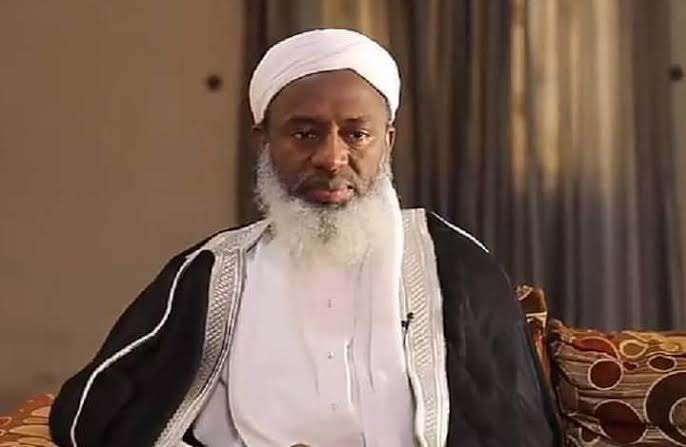
In a world where religious extremism fuels violence, Nigeria continues to tolerate one of its most dangerous enablers: Sheikh Ahmad Gumi. A self-styled Islamic cleric, Gumi has spent years propagating extremist ideologies, justifying terrorism, and fostering divisions within Nigeria. What makes his rhetoric even more alarming is that even Saudi Arabia—a nation often criticized for its conservative Wahhabist doctrine—has distanced itself from his toxic views. If a country known for its strict Islamic interpretations rejects Gumi’s extremism, why is the Nigerian government still treating him as a mere “controversial” figure rather than a national security threat?
Gumi’s public statements and actions provide irrefutable evidence of his radical stance. He has repeatedly defended bandits, claiming they are “victims of injustice” who should be pardoned rather than fought. In a 2021 interview with BBC Hausa, Gumi asserted that these so-called bandits are engaged in an ethnic war, effectively whitewashing their atrocities. Such rhetoric emboldens criminals and undermines Nigeria’s counterterrorism efforts.
Moreover, Gumi has framed Nigeria’s security crisis in sectarian terms, baselessly accusing Christian soldiers of targeting Muslim communities. In a now-deleted video, he alleged that non-Muslim soldiers were systematically killing Fulani herdsmen, a claim that dangerously stokes ethno-religious tensions. This narrative mirrors the propaganda of Boko Haram, which similarly accuses the Nigerian military of being anti-Islam.
Gumi’s extremism extends beyond mere rhetoric. He has openly advocated for Sharia supremacy, declaring in a 2020 sermon that democracy is “un-Islamic” and that Muslims should not be governed by secular laws. This ideology aligns with that of terrorist groups like ISIS and Al-Qaeda, which reject democratic governance in favor of a rigid theocracy. Additionally, Gumi has been photographed meeting with known terror suspects and has actively engaged with bandit warlords, often facilitating ransom payments and prisoner swaps that effectively fund terrorism.
Saudi Arabia, despite its strict interpretation of Islam, has systematically dismantled extremist clerics who incite violence. The kingdom has arrested radical preachers such as Safar Al-Hawali and Salman Al-Ouda for promoting jihadism, banned extremist literature that calls for armed rebellion, and actively promoted a “moderate” Islam under Vision 2030 to counter extremism.
Yet, Gumi’s rhetoric is so extreme that even Saudi scholars avoid associating with him. Unlike Saudi clerics who condemn terrorism outright, Gumi rationalizes it. If Riyadh—often accused of exporting Wahhabism—finds Gumi’s views too dangerous, why does Nigeria allow him to operate freely?
Nigeria’s Terrorism (Prevention) Act 2011 defines terrorism as acts intended to “intimidate a population or compel a government to do something.” Gumi’s actions—negotiating with terrorists, inciting religious hatred, and undermining military operations—fit this definition perfectly. By portraying bandits as victims, he legitimizes their violence and discourages military action against them. His divisive rhetoric deepens Muslim-Christian divisions, a tactic long employed by Boko Haram. Worse still, his so-called mediation efforts embolden terrorists, prolonging Nigeria’s insecurity.
The Nigerian government’s reluctance to clamp down on Gumi sends a dangerous message: that extremism is tolerable if wrapped in religious garb. If Saudi Arabia—a theocratic monarchy—can silence firebrand clerics, why can’t Nigeria, a secular democracy, hold Gumi accountable?
The evidence is overwhelming. Gumi is not a “peacemaker”; he is a radical ideologue whose words and actions sustain terrorism. The government must investigate his ties to terrorist groups, ban his public sermons and media appearances, and prosecute him under anti-terror laws.
Failure to act will only deepen Nigeria’s security crisis. The world is watching—will Nigeria continue to tolerate extremism, or will it finally take a stand?

Jeff Okoroafor
Jeff Okoroafor is a social accountability advocate and a political commentator focused on governance, accountability, and social justice in West Africa.