
Africa
Irony: While Malaysia Ditches CNG Usage Over Safety Fears, Nigeria Rushes To Adopt It, by Isaac Asabor

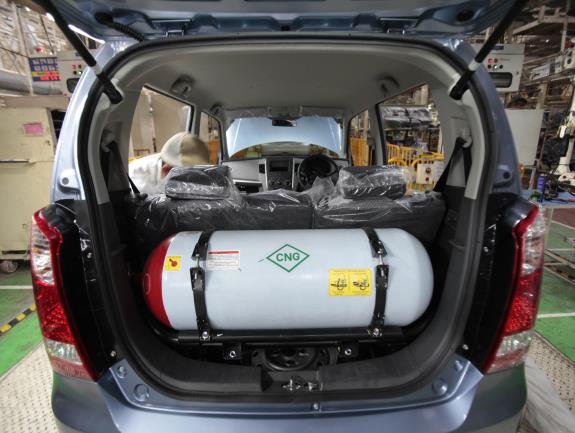
The global energy landscape is rapidly evolving, with countries reassessing their fuel and energy policies to strike a balance between sustainability, safety, and economic viability. In recent years, Compressed Natural Gas (CNG) has emerged as an alternative to traditional fossil fuels, with nations exploring its use as a cleaner and more affordable option. However, a curious paradox is currently unfolding on the international stage: while Malaysia, a long-standing proponent of CNG, is gradually phasing out its use due to safety and environmental concerns, Nigeria is accelerating efforts to embrace it as a solution to its energy crisis.
The contrasting positions of these two countries reflect the complexities of energy policies shaped by distinct national priorities, socioeconomic contexts, and technological capabilities. At the heart of this divergence lies a fundamental question: is Nigeria’s enthusiastic embrace of CNG truly a step forward in the right direction, or a risky venture that ignores critical lessons from Malaysia’s experience?

The reason for the foregoing view cannot be farfetched as the recent CNG accident in Benin City, which resulted in multiple casualties, serves as a grim warning for Nigeria’s push towards adopting CNG as an alternative fuel source. While the government’s drive to embrace CNG is aimed at reducing the nation’s dependence on expensive petrol and diesel, incidents like this expose significant safety gaps in the handling, distribution, and regulation of CNG infrastructure. If not properly addressed, these safety concerns could undermine public confidence in the transition, potentially stalling Nigeria’s plans for a cleaner, more cost-effective energy solution.
To further buttress the foregoing view, it is expedient to recall in this context that Malaysia, one of Southeast Asia’s leading economies, has been a pioneer in the adoption of CNG for over two decades. Initially, the country embraced CNG as part of its strategy to reduce dependency on imported petroleum products and mitigate air pollution in its bustling urban centers. The Malaysian government, in collaboration with companies like Petronas, invested heavily in CNG infrastructure, encouraging both public transport operators and private vehicle owners to switch to CNG-powered vehicles.
However, over time, concerns about the safety and long-term viability of CNG have come to the forefront. In recent years, several high-profile incidents involving CNG-powered vehicles have raised red flags. Reports of fuel tank explosions, leaks, and fires led to increasing public concern. In response, the Malaysian government launched a comprehensive review of its CNG policy. Safety assessments revealed that while CNG is indeed a cleaner fuel, the technology and infrastructure required for its safe use were not sufficiently advanced or widely understood.
Environmental concerns also played a role in Malaysia’s decision. While CNG burns cleaner than diesel or petrol, it is still a fossil fuel with associated emissions. As part of Malaysia’s broader commitment to reducing carbon emissions and promoting electric vehicles (EVs), the country has opted to phase out CNG vehicles gradually. This decision aligns with Malaysia’s ambitious target to achieve net-zero emissions by 2050, prioritizing the transition to EVs and hydrogen fuel cells.
In stark contrast to Malaysia’s cautious retreat, Nigeria is moving in the opposite direction. As the country grapples with an economic crisis exacerbated by the removal of petrol subsidies, CNG has been touted as the silver bullet to Nigeria’s energy challenges. President Bola Tinubu’s administration has been vocal about the need to adopt alternative energy sources to alleviate the financial burden on Nigerians, who are reeling from skyrocketing fuel prices.
The allure of CNG in Nigeria lies in its relative abundance and lower cost compared to petrol. Nigeria is endowed with vast natural gas reserves, ranking among the top ten in the world. However, despite this natural wealth, the nation has struggled to harness its gas resources effectively for domestic use. The push towards CNG is seen as a way to reduce the over-reliance on imported petroleum products, which drain the country’s foreign reserves.
To drive this transition, the Nigerian government has rolled out initiatives aimed at incentivizing the adoption of CNG vehicles. These include tax breaks for companies investing in CNG conversion kits, partnerships with automotive manufacturers to produce CNG-compatible vehicles, and the establishment of CNG refueling stations across major cities. The hope is that by promoting CNG, the government can create a more stable, affordable, and cleaner energy landscape.
While Nigeria’s enthusiasm for CNG is understandable given its current economic and energy challenges, it raises critical questions about safety and preparedness. The very issues that prompted Malaysia to pivot away from CNG are not absent in Nigeria; in fact, they may be even more pronounced given Nigeria’s infrastructural deficiencies and regulatory weaknesses.
Malaysia’s move to phase out CNG was heavily influenced by safety incidents, yet Nigeria appears to be glossing over these potential risks in its rush to adopt the technology. CNG tanks require specialized maintenance, and even minor negligence can lead to catastrophic outcomes. In a country like Nigeria, where vehicle maintenance is often lax and regulatory oversight is weak, the risks are significantly higher. The absence of stringent safety regulations, trained personnel, and adequate inspection protocols could lead to accidents that would not only endanger lives but also undermine public confidence in CNG.
While Malaysia’s CNG infrastructure is relatively well-developed, Nigeria is starting almost from scratch. Establishing CNG refueling stations, training technicians, and creating a supply chain for conversion kits are monumental tasks that require substantial investment and time. Given Nigeria’s track record of delayed or abandoned infrastructure projects, there are legitimate concerns about whether the country can build the necessary infrastructure to support a large-scale shift to CNG.
The shift to CNG requires not just infrastructure but also technological know-how. Malaysia’s experience highlights the need for continuous technological upgrades to maintain safety and efficiency. In Nigeria, however, there are fears that the adoption of CNG may become another poorly executed policy, where initial enthusiasm wanes, and investments do not translate into sustainable outcomes. Additionally, the economic reality for most Nigerians, who are already struggling to make ends meet, may hinder the widespread adoption of CNG vehicles if conversion costs remain prohibitively high.
There are valuable lessons Nigeria can draw from Malaysia’s cautious withdrawal from CNG. The first and most crucial lesson is that safety cannot be compromised. The Nigerian government must prioritize establishing robust safety standards for CNG vehicles and refueling stations, backed by effective enforcement mechanisms. Learning from Malaysia’s regulatory framework could help prevent avoidable accidents and build public trust in the new energy policy.
Furthermore, Nigeria needs to develop a comprehensive infrastructure plan that goes beyond rhetoric. The successful rollout of CNG will depend on the availability of refueling stations and the affordability of conversion kits. This requires collaboration between the government, private sector, and international partners to secure the necessary investments and technological expertise.
Additionally, Nigeria must recognize that while CNG may offer immediate relief, it is not a long-term solution to its energy challenges. The world is steadily moving towards cleaner, renewable energy sources such as solar, wind, and electric vehicles. Nigeria’s energy strategy should therefore be forward-looking, with a focus on diversifying energy sources beyond fossil fuels.
Nigeria’s decision to embrace CNG in the face of Malaysia’s retreat is emblematic of the divergent paths countries take in response to their unique economic and social challenges. However, the paradox of one nation adopting what another is phasing out should serve as a cautionary tale rather than a green light.
For Nigeria, the adoption of CNG should not be seen as a panacea but rather as a transitional step towards a more sustainable energy future. The government must address safety concerns, build the necessary infrastructure, and create an enabling environment for technological advancements. Most importantly, policymakers must adopt a long-term perspective that aligns with global trends towards decarbonization and renewable energy.
The road ahead for Nigeria is fraught with challenges, but with careful planning, strategic investments, and a commitment to safety, the country can avoid the pitfalls that Malaysia encountered. In the end, the success of Nigeria’s CNG initiative will depend not just on its adoption but on how effectively it is managed to truly benefit the populace and drive economic growth.
In a world increasingly wary of fossil fuels, Nigeria’s CNG adventure may be a necessary stopgap measure, but it should not become a permanent detour from the path to a cleaner and more sustainable future.




























You must be logged in to post a comment Login