Breaking News
NAFDAC Reaffirms Ban on Sachet Alcohol, Says Enforcement Is Already Underway
NAFDAC has reaffirmed its ban on sachet alcoholic drinks, saying manufacturers must produce alcohol in bottles of at least 200ml as enforcement and market seizures continue across Nigeria.

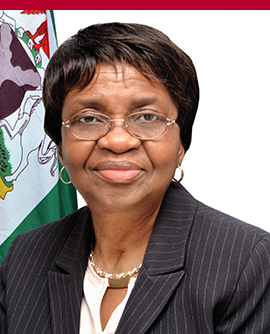
The National Agency for Food and Drug Administration and Control (NAFDAC) says it will continue enforcing the nationwide ban on sachet and other small-volume alcoholic drinks, insisting the policy is aimed at protecting public health, particularly that of children.
Speaking in Enugu on Friday, NAFDAC South-East Zonal Director, Dr. Festus Ukadike, said there was no plan to reverse the ban, adding that enforcement operations against manufacturers and distributors had already commenced.
According to him, the agency’s next priority is to remove all remaining sachet alcoholic beverages currently available in the market.
Ukadike clarified that alcohol manufacturers remain free to produce alcoholic drinks, provided they are packaged in containers of no less than 200ml.
He disclosed that arrests and seizures had already been recorded across several South-East states, including Enugu, Imo, Abia, Ebonyi and Anambra.
The zonal director said the decision was largely driven by concerns over underage drinking and its long-term health implications.
“If our children are no longer exposed to sachet alcohol, they will live healthier lives, curb antisocial behaviours and promote the country’s fight against cancer and other terminal diseases,” Ukadike said.
He also encouraged Nigerians to moderate their alcohol consumption, stressing that the removal of sachet alcohol from the market would benefit public health.
Responding to concerns about affordability, Ukadike maintained that protecting lives was more important than preserving access to cheaper alcoholic beverages.
He expressed confidence that within one year, all alcoholic drinks sold in Nigeria would comply with the minimum 200ml packaging requirement.
The policy has, however, divided opinion among consumers.
Some residents welcomed the ban as a necessary measure to discourage underage drinking, while others argued that it would make alcohol more expensive for people with limited incomes.
Charles Otubo suggested that the restriction should be limited to motor parks to help reduce drink-driving, while another consumer, Godwin, said he had seen schoolchildren buying sachet alcohol and carrying it to school, proposing that such products should only be sold in licensed liquor outlets.
Africans Angle News