
National Issues
Nigerians Are Not Just Hungry But Hangry!, by Isaac Asabor

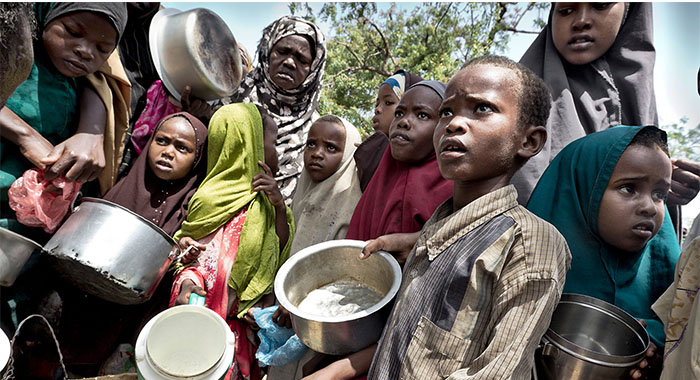
In the current socio-economic climate of Nigeria, there is a common phrase making its rounds: “Nigerians are not just hungry; they are hangry.” This clever play on words captures a growing sentiment across the country, but what does it really mean?
To begin with, let us clarify the difference between being hungry and being hangry. Hunger is a basic physiological need. It is that gnawing sensation in your stomach when you have not eaten for a while. It is your body’s way of signaling that it needs food for energy. In a country where food prices have skyrocketed and basic staples are increasingly out of reach for many, hunger is a daily reality for millions of Nigerians.
However, hunger alone does not fully capture the mood of the nation. This is where the term “hangry” comes into play, a combination of “hungry” and “angry.” Hangry is more than just a craving for food; it is the irritability and frustration that result from prolonged hunger. It is the emotional and psychological toll of knowing that you are hungry, yet unable to afford even the most basic meal. It is the sense of injustice and anger that bubbles to the surface when people are pushed to the brink.
In Nigeria today, the distinction between hunger and hanger is crucial. The country is grappling with severe economic challenges: inflation is at an all-time high, the naira continues to lose value, and unemployment rates are soaring. The cost of food has risen so steeply that even those who were once comfortably middle-class now find it difficult to put three square meals on the table. But it is not just about the physical sensation of hunger; it is about the emotional strain of living in a system that seems to be failing its people.
The average Nigerians are not just hungry, they are angry. Angry at the rising cost of living, at a government that promises relief but delivers little, and at the sheer helplessness of being unable to provide for one’s family. This anger is further fueled by the glaring disparity between the political elite, who live in opulence, and the masses, who struggle to survive. The disconnect between the ruling class and the average Nigerian has never been more apparent.
Adding to the already volatile mix is the recent spike in fuel prices, which has now surpassed the N1, 000marks per liter. This price hike is more than just a number; it is a devastating blow to the average Nigerian. Fuel is the lifeblood of the economy, influencing the cost of transportation, goods, and services. With the price of fuel soaring, the domino effect is being felt across virtually every sector. From the cost of food to the price of transportation, housing, and even basic utilities, everything is going up, except, of course, the average Nigerian’s income.
This relentless rise in prices exacerbates the hanger felt by millions. It is not just that people are struggling to buy food; they are also struggling to get to work, to power their homes, and to afford basic necessities. The frustration is palpable, and the anger is growing. Nigerians are not just dealing with hunger; they are grappling with the sense of betrayal and helplessness that comes from seeing their hard-earned money lose value day by day.
Hanger does not just affect individuals; it has broader societal implications. A hangry population is one that is more likely to lash out, whether through protests, strikes, or social unrest. When people are hangry, their patience wears thin, their tolerance for injustice dwindles, and their willingness to take drastic measures increases. In Nigeria, this hanger is manifesting in various ways, from increased crime rates to public demonstrations and even in the tone of conversations both online and offline.
The emotional state of being hangry also has an impact on mental health. The constant stress of not knowing where the next meal will come from, coupled with the anger at being trapped in such a situation, can lead to anxiety, depression, and a sense of hopelessness. This is a crisis that goes beyond just feeding the stomach; it’s about addressing the psychological well-being of a nation.
To address hanger, the Nigerian government must go beyond mere palliatives and promises. There needs to be a concerted effort to stabilize the economy, reduce inflation, and create job opportunities that will allow people to earn a living wage. Moreover, there must be transparency and accountability in how resources are allocated. Nigerians need to see tangible results, not just hear empty rhetoric.
Additionally, civil society organizations, religious institutions, and community leaders have a role to play. Initiatives that provide food aid, mental health support, and economic empowerment can help alleviate some of the immediate pressures facing hangry Nigerians.
In summary, Nigerians are not just hungry, they are hangry. This is a country on edge, where the line between hunger and anger has blurred. The recent surge in fuel prices, surpassing N1, 000 per liter, has only intensified this feeling, creating a ripple effect that is driving up the cost of virtually everything. It is a situation that demands urgent attention, not just to feed the hungry, but to address the underlying causes of this widespread frustration. Only then can Nigeria hope to quell the rising tide of hanger and move towards a more stable and prosperous future.




























You must be logged in to post a comment Login