
Africa
Inadvisability Of Losing Our Sense Of Oneness As Nigerians, by Isaac Asabor

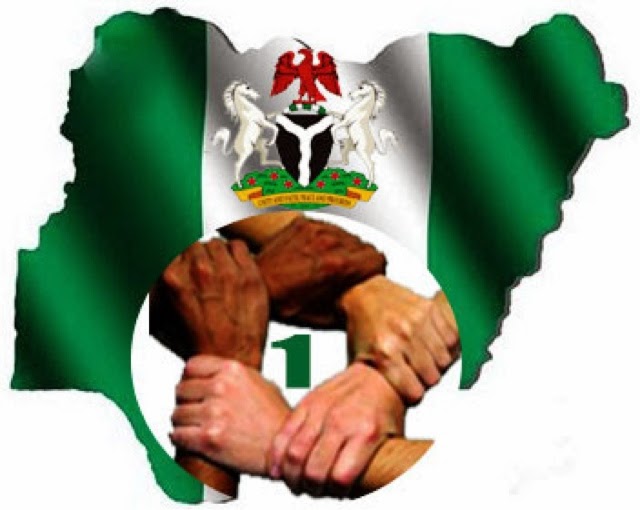
On October 1, 1960, Nigeria achieved a milestone that many African nations could only dream of: independence from colonial rule. It was a moment that united the nation in a collective celebration of freedom and hope. Across the country, Nigerians, regardless of tribe, religion, or region, waved the green and white flag with pride. Homes, cars, and public spaces were adorned with the symbols of a nation that was ready to chart its own course. The unity was palpable, driven by a shared dream of building a prosperous and united Nigeria.
The coalition government of the National Council of Nigeria and the Cameroons (NCNC) and the Northern People’s Congress (NPC), led by Prime Minister Sir Tafawa Balewa and Senate President Dr. Nnamdi Azikiwe, was a symbol of this newfound unity. The government enjoyed widespread approval, not just for its leadership but for what it represented: a commitment to the idea that despite our differences, we were all Nigerians first.
This sense of oneness was more than just political, it was deeply cultural. In schools, children were taught to see themselves as Nigerians before any ethnic identity. The media reinforced this narrative, with songs, literature, and films celebrating our diversity and unity in equal measure. The mantra of “One Nigeria” wasn’t just a slogan; it was a lived experience for many who saw the future as a collective journey.
However, as we fast forward to the present day, it becomes painfully clear that the unity that once defined us is slowly unraveling. The strong sense of patriotism that once united us is now being overshadowed by deep-seated divisions along ethnic, religious, and regional lines. The Nigerian flag, once a symbol of our shared identity, now waves in the midst of a fractured nation.
The signs of disunity are all around us. Political rhetoric is often charged with ethnic and religious undertones, fueling divisions rather than fostering unity. Elections, which should be a celebration of democracy, have become flashpoints for violence and division, with political leaders exploiting these fault lines for personal gain. The coalition spirit that once guided our leaders seems to have been replaced by a zero-sum game of power and influence.
Economic disparities have further widened the gulf between different parts of the country. While some regions have made significant strides in development, others lag far behind, breeding resentment and feelings of marginalization. The once-celebrated unity in diversity has become a source of tension, as different groups increasingly see themselves as competing for a limited share of the national pie.
Even in everyday life, the sense of oneness that once bound us together is fading. Social interactions are often dictated by ethnic and religious affiliations, and the bonds of friendship and community that once transcended these divides are weakening. The once-proud tradition of Nigerians living peacefully side by side, regardless of background, is under threat.
Are we losing our sense of oneness as Nigerians? The answer, unfortunately, seems to be yes. But this doesn’t have to be our fate. The spirit of unity that defined our early years as an independent nation is still within our grasp. It will require a conscious effort from all of us, leaders and citizens alike, to rekindle that spirit.
We must begin by acknowledging our shared history and the common challenges we face. We must resist the temptation to see each other through the narrow lens of ethnicity or religion and instead embrace the broader identity of being Nigerian. Our leaders must rise above divisive politics and work towards policies that promote equity and justice for all Nigerians, regardless of where they come from.
Education, too, has a crucial role to play. We must teach our children the values of unity and patriotism, just as previous generations were taught. Our media and cultural institutions should celebrate the things that bind us together, rather than amplify our differences.
As we reflect on our journey as a nation, let us not forget the sense of pride and unity that defined our early years. We were once a nation that stood together in the face of challenges, confident in our ability to overcome them as one people. It is not too late to reclaim that spirit. The question is: are we willing to do what it takes to keep the flame of unity burning bright? The future of Nigeria depends on it.
Without a doubt, Nigeria, with its rich tapestry of cultures, languages, and traditions, stands as a beacon of diversity in Africa. However, this diversity has often been a double-edged sword, leading to ethnic tensions and regional disparities. This is as the diversity has not being maximized to advantage as a united Nigeria is essential for harnessing the full potential of its diverse population.
The foregoing is as unity fosters a sense of belonging and shared identity, which can drive collective efforts towards national development. When citizens see themselves as part of a larger whole, they are more likely to work together to address common challenges, such as poverty, corruption, and insecurity.
Moreover, a united Nigeria can significantly enhance its political stability and governance. Fragmentation and division often lead to conflicts and power struggles, which can destabilize the nation and hinder progress. By promoting unity, Nigeria can create a more stable political environment where policies and initiatives can be implemented more effectively. This stability is crucial for attracting foreign investment, fostering economic growth, and improving the overall quality of life for its citizens. A united front also strengthens Nigeria’s position on the global stage, allowing it to negotiate and collaborate more effectively with other nations.
Finally, unity in Nigeria is vital for social cohesion and national integration. When people from different backgrounds come together, it promotes understanding, tolerance, and mutual respect. This social harmony is essential for building a peaceful and inclusive society where everyone has the opportunity to thrive. By embracing unity, Nigeria can overcome the historical divisions that have plagued it and move towards a future where every citizen, regardless of their ethnic or regional background, can contribute to and benefit from the nation’s progress. In essence, a united Nigeria is not just a dream but a necessity for achieving sustainable development and lasting peace.
Given the foregoing view, there is no denying the fact that it is inadvisable for us as brothers and sisters, and as Nigerians to continue losing our sense of oneness.


















You must be logged in to post a comment Login