
Africa
Tinubu’s New Service Chiefs: Hope, Expectation And The Burden Of Performance -By Favour Simon Harris
President Tinubu’s gamble on a new generation of military leaders could either redefine his administration’s success or become another episode in the cycle of leadership changes without meaningful impact. For now, Nigerians are watching, waiting, and hoping that this new dawn in military leadership brings the long-awaited peace the country so desperately deserves.


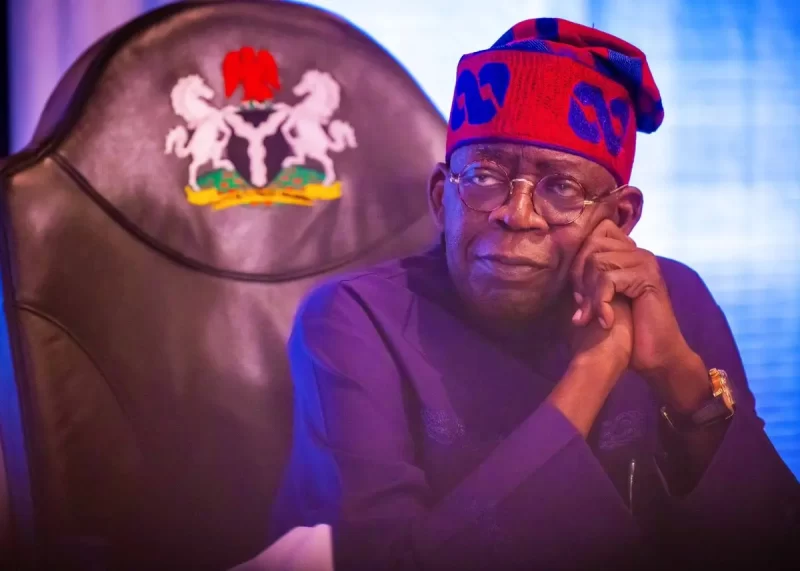
When President Bola Ahmed Tinubu announced the appointment of new service chiefs last week, it marked another major reshuffle at the top of Nigeria’s defence hierarchy — and perhaps, a turning point in the country’s long-running battle against insecurity. The appointments, which took effect immediately, were not just routine bureaucratic changes; they symbolized a critical test of the administration’s promise to restore peace, order, and stability across Nigeria’s troubled regions.
The newly appointed service chiefs includeincludee General Olufemi Oluyede as Chief of Defence Staff, Major General Waidi Shaibu as Chief of Army Staff, Air Vice Marshal S.K. Aneke as Chief of Air Staff, and Rear Admiral Idi Abbas as Chief of Naval Staff. In a move that retained a degree of continuity, Major General E.A.P. Undiendeye remains the Chief of Defence Intelligence. Their appointments followed weeks of speculation about an imminent change in military leadership amid growing public concern over worsening security challenges.
For President Tinubu, this decision could define his administration’s security legacy. Since taking office, he has repeatedly emphasized that security remains his top priority. However, the reality across many parts of the country paints a grim picture. Banditry continues to ravage the North-West; Boko Haram and ISWAP insurgents still pose threats in the North-East; and incidents of kidnapping and communal violence persist in the North Central and southern regions. The president’s challenge, therefore, lies not just in appointing new commanders but in ensuring they deliver results where their predecessors struggled.
General Oluyede’s appointment as Chief of Defence Staff has drawn attention due to his experience and operational background. Known for his calm but firm leadership style, Oluyede is expected to bring fresh coordination among the three military branches — Army, Navy, and Air Force. Observers believe that inter-agency cooperation, intelligence sharing, and modernization of combat strategies will be critical areas under his leadership. The President, while unveiling the new team, charged them to “protect the territorial integrity of the nation and uphold professionalism, discipline, and dedication to duty.”
Major General Waidi Shaibu’s emergence as Chief of Army Staff also carries high expectations. The Nigerian Army, being the backbone of counter-insurgency operations, faces the most direct pressure from citizens demanding safety. Shaibu’s experience in the North-East, where he led several operational units under Operation Hadin Kai, is likely to shape his approach. Military insiders describe him as a pragmatic field officer who understands the realities of modern asymmetric warfare — a quality Nigeria desperately needs in tackling insurgent groups that operate with shifting tactics and international funding networks.
The Air Force, under Air Vice Marshal S.K. Aneke, Is expected to focus on strengthening Nigeria’s aerial capabilities. The new Air Chief inherits an institution that has suffered from outdated equipment and operational fatigue. Aneke’s challenge will be to improve maintenance, training, and precision air support for ground troops. Likewise, Rear Admiral Idi Abbas at the helm of the Navy faces an uphill task: to secure Nigeria’s vast coastline and combat rising cases of piracy, oil theft, and illegal bunkering that continue to drain the nation’s revenue.
Public reaction to the appointments has been cautiously optimistic. Many Nigerians welcome the changes as long overdue. Civil society groups and security experts have, however, urged the government to complement the new leadership with reforms that address welfare issues among rank-and-file soldiers. As one retired colonel remarked during a TV interview, “You can change the generals, but if the soldiers on the ground are demoralized, under-equipped, and underpaid, victory will remain elusive.”
Beyond structural reforms, another major test will be the government’s ability to manage public perception and rebuild trust in the military. Over the years, reports of human rights violations and alleged corruption have strained relations between the armed forces and civilians. Analysts argue that Tinubu’s service chiefs must work to restore public confidence through transparency, professionalism, and closer collaboration with communities affected by conflict.
The timing of the reshuffle has also stirred political interpretations. Coming barely weeks after rumours of a foiled coup attempt, some believe the move was designed to reassert civilian control over the military and prevent internal dissent. The presidency, however, insists that the appointments are purely strategic and aimed at achieving greater efficiency and discipline within the armed forces.
As the dust settles, what remains clear is that Nigeria’s security problems are deep-rooted and multifaceted. The new service chiefs will need not only courage but also innovation — leveraging technology, intelligence, and diplomacy to complement brute force. The nation’s future stability will depend largely on how well they synchronize their efforts, sustain troop morale, and win the confidence of Nigerians who, for years, have lived under the shadow of fear.
In the end, President Tinubu’s gamble on a new generation of military leaders could either redefine his administration’s success or become another episode in the cycle of leadership changes without meaningful impact. For now, Nigerians are watching, waiting, and hoping that this new dawn in military leadership brings the long-awaited peace the country so desperately deserves.
Favour Simon Harris is a 300 Level Student From Mass Communication Department University Of Maiduguri.
















You must be logged in to post a comment Login