
Africa
Africa Is a Return, Not a Risk -By Isa Salisu
To return to Africa—whether through memory, mission, or movement—is not an escape. It is a homecoming. It is a declaration that we will no longer wait for the world to validate Africa’s worth. We will live it, show it, and invest in it ourselves.

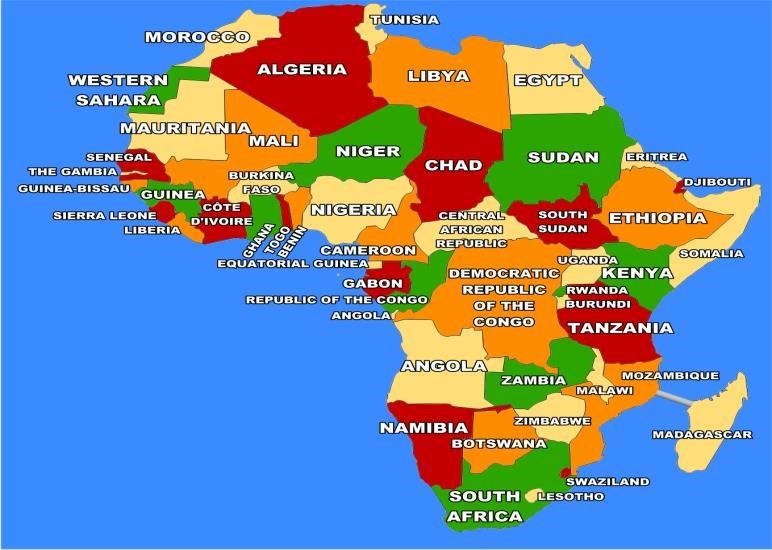
Today, as we mark Africa Day 2025, we are not simply commemorating a date on the calendar—we are engaging in a profound moment of truth, clarity, and reconnection. Africa Day, born from the historic formation of the Organisation of African Unity (OAU) on May 25, 1963, and now celebrated under the auspices of the African Union, is more than a symbolic occasion. It is a living reminder of a continent’s courageous struggle for liberation, dignity, and sovereignty. But this year, more than ever, Africa Day calls us to a deeper reckoning. It demands a shift in consciousness, both within and outside the continent. It asks us to abandon outdated narratives and embrace a vital truth: Africa is not a risk to be managed. Africa is a return—to identity, to agency, to possibility.
The mischaracterization of Africa as a perpetual crisis zone has endured for generations, reinforced by headlines that privilege tragedy over triumph. International investment discourse too often echoes with caution and condescension. Risk assessments highlight instability, corruption, and volatility—frequently ignoring the nuanced realities and diverse successes unfolding across 54 nations. Media narratives default to the dramatic, painting Africa as a continent in need rather than a continent in the lead. Even well-intentioned development policies have historically treated Africa as a passive beneficiary rather than an equal stakeholder.
But the real risk has never been Africa itself. The true danger lies in the failure to see Africa for what it is: a dynamic engine of culture, innovation, resilience, and transformation. To persist in the narrow framing of Africa as a charity case or geopolitical chessboard is not only intellectually lazy—it is strategically flawed. The world cannot afford to continue misreading Africa’s story. The stakes are too high, and the momentum is too real.
From Dakar to Dar es Salaam, Lusaka to Lagos, young Africans are rewriting the rules of engagement. They are not waiting for permission or approval. They are building brands, leading civic movements, launching AI-driven startups, and defining new artistic genres. In the face of economic challenges, they are creating new currencies of hope: creativity, code, culture, and community.
This demographic surge—the youngest population on Earth—holds profound promise. Over 60% of the continent is under the age of 25. But youth is not just a number; it is a force, a mindset, and a movement. These are not future leaders—they are present changemakers. They are shaping new models of development that do not rely on inherited paradigms, but are rooted in local context, indigenous wisdom, and global relevance. Afrobeats isn’t just dominating the charts—it is redefining global rhythm. Nollywood and Kannywood isn’t just producing movies—it is exporting identity. African fashion is not following trends—it is setting them.
Yet this resurgence is not happening in isolation. Across the globe, members of the African diaspora are returning—not always in body, but in intention, contribution, and spirit. The echoes of dislocation caused by slavery, colonization, and migration are being answered with renewed connection. The “Year of Return” in Ghana in 2019 invited diasporans to reconnect with their roots. But more than a ceremonial gesture, it catalyzed an economic and cultural exchange that continues to flourish. Diasporans are returning with capital—intellectual, financial, emotional—and they are planting seeds for the future.
This return is not sentimental. It is strategic. It is not only about healing old wounds—it is about building new foundations. It represents a conscious decision to co-create the Africa of tomorrow by honoring the ancestry of yesterday and the urgency of today.
At the same time, Africa is reclaiming its global voice in unprecedented ways. The growing demand for the return of stolen artifacts from European museums is not simply a matter of cultural restitution. It is a moral declaration. It is a refusal to let history remain written solely by the hands of conquerors. The restitution movement is about more than museums—it is about memory, justice, and narrative sovereignty. Africa is no longer content with being spoken for. It is speaking—clearly, confidently, and creatively.
But as we celebrate this moment of reclamation, let us not mistake pride for romanticism. Africa does not need to be idealized to be respected. Its challenges are real: climate shocks, infrastructure gaps, health crises, political unrest. But so are its solutions—and most importantly, its people. Africa’s wealth lies not beneath the soil but in the minds, hearts, and hands of its citizens.
What Africa needs is not pity. It needs partnership. Not handouts, but hands-on collaboration. It needs capital that listens. Policies that empower. Innovation that includes. Education that reflects not just colonial curricula, but African history, philosophy, and languages. Africa does not need to fit into frameworks designed elsewhere. It must be empowered to lead with its own frameworks—anchored in its realities and ambitions.
The international community, from investors to policymakers, must recalibrate. To treat Africa merely as a marketplace is to miss its true value. Africa is not just a consumer base—it is a creator of ideas. It is not a frontier to be explored—it is a home to be respected. Those who engage with the continent out of obligation or opportunism will be left behind. Those who engage with sincerity, respect, and vision will be part of something transformative.
Today, as we celebrate Africa Day 2025, let our words be matched by action. Let our admiration turn into affirmation—and affirmation into alignment. Let us celebrate not only the victories of the past but the velocity of the present and the vision of the future. Let us support the writers and coders, the farmers and filmmakers, the mothers and ministers who are shaping Africa’s story—not with borrowed scripts, but with original voices.
To return to Africa—whether through memory, mission, or movement—is not an escape. It is a homecoming. It is a declaration that we will no longer wait for the world to validate Africa’s worth. We will live it, show it, and invest in it ourselves.
Africa is not behind—it is defining the pace.
Africa is not fragile—it is forceful.
Africa is not waiting—it is rising.
Africa is not a risk—it is the return to the future we must choose.
Because Africa is not a risk. Africa is a return.
Happy Africa Day.






















You must be logged in to post a comment Login