
Africa
Akpabio Again: Could Senate President Akpabio Gain from Gender Sensitivity Therapy and the Male-Dominated Senate Benefit from a Gender Sensitivity Training Workshop?, by John Egbeazien Oshodi


Historically, Nigeria’s political landscape has been dominated by men, often sidelining women’s voices and perpetuating gender biases. This issue has been brought to the forefront by several incidents involving Senate President Godswill Akpabio. Notably, Akpabio has faced allegations from Joy Nunieh, the former Acting Managing Director of the Niger Delta Development Commission (NDDC), who claimed she slapped him for sexually harassing her. This incident highlighted the profound gender-related challenges women face in Nigerian politics. The need for gender sensitivity is further emphasized by Akpabio’s public rebuke of Federal Capital Territory ( FCT) Senator IretiKingibe. During an official event, Akpabio dismissed Kingibe’s criticisms of FCT Minister Nyesom Wike, urging Wike to ignore her. Such actions not only undermine the authority of female senators but also reinforce a culture of gender-based discrimination within the Senate. This pattern of behavior underscores the importance of gender sensitivity training for political leaders.
In another incident, Akpabio’s remarks towards Senator Natasha Akpoti-Uduaghan were deemed sexist and condescending. Akpabio’s comment that the Senate chamber is “not a nightclub” implicitly questioned her professionalism and perpetuated harmful stereotypes about women in leadership roles. While Akpabio should be saluted for his apology for his sexist words to Natasha, it is important to note that the apology came only due to social media pressure, indicating that it was not enough. His chronic behaviors bring to mind the adage, “old habits never die,” so he could gain from therapy. This situation illustrates the pervasive gender biases that female senators face, necessitating comprehensive gender sensitivity training within the Senate.
From a psychological perspective, the incidents involving Akpabio reflect deeply ingrained patriarchal attitudes and behaviors that are harmful to women. Such behaviors can contribute to a hostile work environment, causing stress, anxiety, and decreased job satisfaction among female colleagues. Women who experience or witness gender discrimination and harassment may feel devalued and marginalized, which can negatively impact their mental health and overall well-being. Gender sensitivity therapy for Akpabio could be beneficial in several ways. Firstly, it would help him become more aware of his unconscious biases and the impact of his words and actions on female colleagues. This increased awareness is crucial for fostering empathy and understanding. Secondly, therapy could provide Akpabio with the tools to develop more respectful and inclusive communication styles, which are essential for effective leadership. Lastly, engaging in therapy would demonstrate a commitment to personal growth and accountability, potentially setting a positive example for other male leaders.
A gender sensitivity training workshop for the entire Legislature could address systemic issues and foster a more inclusive political environment. The benefits of such a workshop include reducing gender bias by helping male senators and other legislators recognize and address their unconscious biases, creating a supportive environment essential for the well-being and productivity of all senators, and improving policymaking by ensuring that gender-sensitive legislators consider the diverse needs of their constituents, leading to more comprehensive and equitable policymaking. Additionally, enhancing public perception by promoting gender equality and inclusivity can improve the National Assembly’s public image, gaining greater trust and respect from the electorate, and fostering leadership development by identifying and nurturing potential female leaders within the entire legislature, promoting a more balanced and representative political leadership.
In African traditions, the patriarchal nature of society has long viewed women and girls as inferior, a habit that Akpabio is painfully perpetuating. This cultural backdrop contributes to the rampant but often silent issue of domestic violence in Africa, driven by a male-dominated culture that perpetuates control and intimidation. For far too long, females and women have complained of domestic and workplace abuse. Even when there are existing laws, the police, the judiciary, and society do not take it seriously, so females, no matter their status in society, are left to their own fate. The private sphere, shrouded in secrecy, often sees worse forms of gender-based violence, unreported and unaddressed due to cultural and societal norms that silence victims and protect perpetrators.
The relevance of gender sensitivity in political leadership is underscored by historical examples such as former Nigerian President Muhammadu Buhari’s infamous comment in 2016. While visiting Germany, Buhari dismissed criticism from his wife, Aisha Buhari, saying she “belongs in the kitchen.” This remark, made during a press conference with German Chancellor Angela Merkel, highlighted deep-seated gender biases and the need for greater awareness and sensitivity among male leaders. Additionally, the 2012 incident involving Delta State Commissioner for Health Dr. Joseph Otumara, who allegedly slapped nurse Akata Oghenero, further illustrates the pervasive nature of gender-based violence and disrespect in Nigerian leadership. Otumara’s actions, denying the slap but admitting to trying to stop the nurse from making a phone call, highlight the disrespect and power imbalance that women face in their professional environments. This incident sparked significant backlash from the National Association of Nigerian Nurses and Midwives, demanding an apology or Otumara’s resignation, emphasizing the need for accountability and sensitivity training in leadership roles.
If such actions can happen in public, one can only imagine the dynamics in private settings. This contributes to the rampant but often silent issue of domestic violence in Africa, driven by a male-dominated culture that perpetuates control and intimidation. To truly combat this, comprehensive and far-reaching measures are required. Firstly, there should be mandated gender sensitivity classes integrated into the curriculum of all schools, starting from elementary levels. This early education can help dismantle ingrained gender biases and promote respect and equality from a young age. In all workplaces, both government and corporate, there should be periodic workshops on gender sensitivity, conducted either face-to-face or virtually. These workshops should not be one-time events but regular sessions to reinforce learning and adapt to evolving social norms.
Moreover, the establishment of special courts dedicated to handling domestic violence and gender abuse issues is crucial. These courts would ensure that cases are handled with the seriousness and sensitivity they deserve, providing a safer and more supportive environment for victims seeking justice. Police officers, magistrates, and judges should receive rigorous and continuous training on gender sensitivity and the specific dynamics of domestic violence. This training would equip them with the knowledge and skills to handle such cases effectively and empathetically, ensuring fair treatment for all parties involved.
Above all, it is imperative that females of all ages and at all levels are encouraged and empowered to speak out against abuse. Creating a culture where women feel safe and supported in voicing their experiences is fundamental to addressing gender-based violence. Community support systems, hotlines, and shelters should be readily available and accessible to provide immediate assistance to those in need.
Overall, these initiatives could significantly improve the Senate’s ability to govern effectively and equitably, ensuring that all voices are heard and respected. Promoting gender sensitivity within Nigeria’s political leadership is essential for fostering a more inclusive and democratic society. By addressing both individual behaviors and systemic issues, Nigeria can create a political environment that values and respects all its members, regardless of gender. Implementing these comprehensive measures would not only help in curbing public displays of gender bias but also address the deeper, more pervasive issues of domestic violence and systemic discrimination, paving the way for a more just and equitable society.
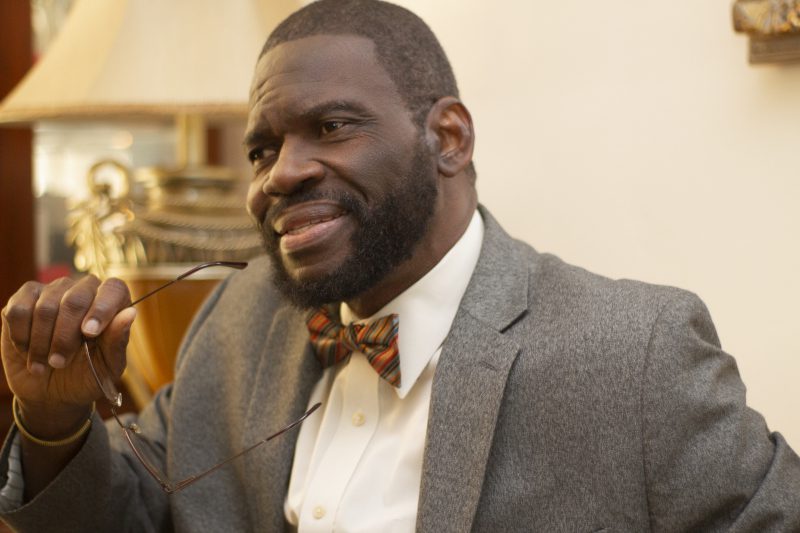
Professor John Egbeazien Oshodi, born in Uromi, Edo State, Nigeria, is an American-based police and prison scientist, forensic psychologist, public policy psychologist, and legal psychologist. He’s a government advisor on forensic-clinical psychological services in the USA and the founder of the Dr. John Egbeazien Oshodi Foundation for Psychological Health. With a significant role in introducing forensic psychology to Nigeria through N.U.C. and Nasarawa State University, he’s also a former Secretary-General of the Nigeria Psychological Association. He’s taught at esteemed institutions like Florida Memorial University, Florida International University, Nova Southeastern University, and more, and is currently an online faculty member at Weldios University, Nexus International University, and Walden University.























You must be logged in to post a comment Login