
Africa
An Election Playbook Worth Emulating: Nigeria’s Lessons From America’s Recent Presidential Election, by Isaac Asabor

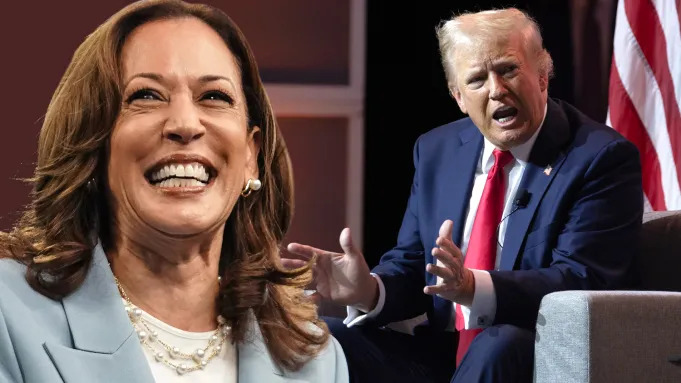
As we observe the recently concluded U.S. presidential election, it is clear that there are valuable lessons Nigeria can draw from the way the electoral process unfolded, particularly regarding the decorum, transparency, and sportsmanship displayed throughout. From the momentous decision of President Biden to step down in favor of Vice President Kamala Harris, to the graciousness of Harris herself in conceding to Trump’s victory, the American election demonstrated a level of political maturity and respect for democratic norms that Nigeria would do well to emulate.
One of the most remarkable aspects of this election was President Joe Biden’s decision to step aside, paving the way for Harris to lead the Democratic ticket. This move highlighted a powerful lesson: leadership often means knowing when to step down gracefully for the betterment of the country and the party. In Nigeria, such an action would likely be seen as an unimaginable concession. Leaders in Nigeria often cling to power with tenacity, and the concept of willingly stepping down to allow another leader to rise is almost foreign. Biden’s graceful transition was an act of humility and a commitment to legacy over ego, an example of putting the country first.
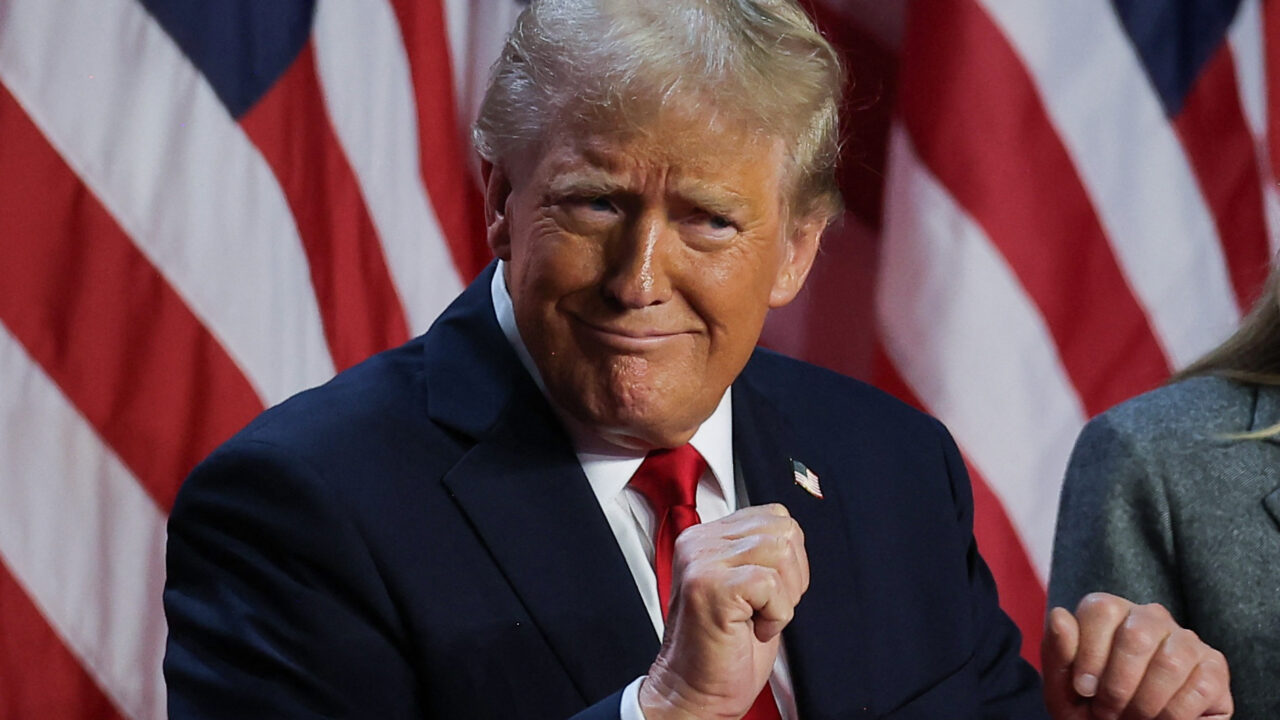
Against all odds, Donald Trump emerged victorious in the election, marking a remarkable return to power. This victory came after a strategic campaign that focused on addressing economic issues and resonating with voters across various demographics. What stood out was the respect for the process, even from the opposition. Both candidates showed a remarkable dedication to the rules and norms, choosing to focus on the voters rather than embroiling the nation in endless conflicts and accusations.
In Nigeria, post-election scenarios are often plagued by violence, accusations of rigging, and endless legal battles that sometimes extend for years, damaging public confidence in the electoral process. The peaceful and dignified acceptance of Trump’s victory in the United States stands as a stark contrast, underscoring the need for Nigerian politicians and citizens alike to adopt a more mature, sportsmanlike attitude toward electoral outcomes.
Another notable moment came in the form of Kamala Harris’s gracious concession speech. Rather than contesting Trump’s victory, she accepted the results with dignity, vowing to support the incoming administration in ensuring a smooth transition. Her actions showed a commitment to national unity above personal ambition, an ethos often lacking in Nigerian politics, where electoral defeat frequently leads to allegations of fraud and widespread unrest.
In Nigerian elections, it is common for defeated candidates to reject results outright, sometimes inciting supporters to take to the streets in protest. Harris’s example showed that conceding gracefully, while painful, can reinforce public faith in the democratic process and foster national harmony. Her actions provided a reminder that democracy thrives when leaders respect the will of the people, even when it does not align with their own ambitions.
Another commendable aspect of the American election was the role played by the media. News outlets and social media platforms provided real-time coverage, with journalists and fact-checkers working tirelessly to ensure that the public was well-informed and that misinformation was quickly addressed. The media was granted the freedom to report on all developments without fear of government censorship or interference. Citizens were encouraged to participate in the process, and the dissemination of information was open and thorough.
In Nigeria, however, media coverage during elections is often marred by restrictions, bias, and sometimes outright censorship. Social media, a critical tool for information sharing, is often viewed with suspicion, and restrictions are sometimes placed on its use during politically sensitive times. If Nigeria hopes to foster a transparent electoral process, it must begin by allowing the media and the public greater freedom to report, question, and share information openly, without fear of retribution.
Without a doubt, the recent American election also highlighted the powerful role of social media in modern democracy. Social media platforms provided a space where citizens could voice their opinions, engage with candidates, and participate in discussions about key issues. This engagement fostered a sense of involvement and empowerment among the public, further strengthening democratic values. The ability to freely express opinions and engage in political discourse without fear of repression is something Nigeria must strive to uphold.
In Nigeria, however, social media is often met with skepticism and sometimes even hostility from government officials, who view it as a destabilizing force rather than a tool for civic engagement. Restrictions and censorship on social media not only stifle free speech but also limit the public’s ability to hold leaders accountable and actively participate in democracy.
The overarching theme of this election was sportsmanship. From the candidates’ respectful interactions to the concession speeches and media coverage, the election demonstrated a collective commitment to unity and respect for the democratic process. It was a testament to the values that define a true democracy: respect for the rule of law, transparency, and the willingness to prioritize national interest over personal ambition.
In Nigeria, political tensions often run so high that electoral results can lead to violence and division. Therefore, leaders must learn from the American example that respecting the outcome, regardless of personal preference, is vital to national unity. The willingness of American leaders to work together, even after a hard-fought election, underscores the importance of unity in moving a nation forward.
As Nigeria looks toward its own elections, the recent U.S. presidential election provides a blueprint for fostering a healthier democracy. The actions of leaders like Biden, Trump, and Harris, the transparency of media coverage, and the openness of social media demonstrate a commitment to democracy that transcends individual ambition. Nigeria must work to cultivate these same values, beginning with fostering a culture of sportsmanship and respect for electoral outcomes.
Moving forward, Nigerian leaders must recognize that the strength of a democracy lies in its ability to adapt, evolve, and prioritize the needs of its people. Embracing transparency, promoting free speech, and fostering a spirit of unity are crucial steps in this journey. The American election has shown that democracy can thrive when leaders respect the process, embrace the results, and work together for the greater good, and it is a lesson Nigeria must not ignore.
By adopting these principles, Nigeria can build a democratic system that inspires confidence among Nigerians and earns the respect of the international community. The American election has set a standard of democratic excellence that Nigeria should strive to emulate in its own pursuit of a stronger, more unified democracy.





















You must be logged in to post a comment Login