
National Issues
Beyond The Barrel: The Tourism Imperative (1) -By Abiodun Komolafe

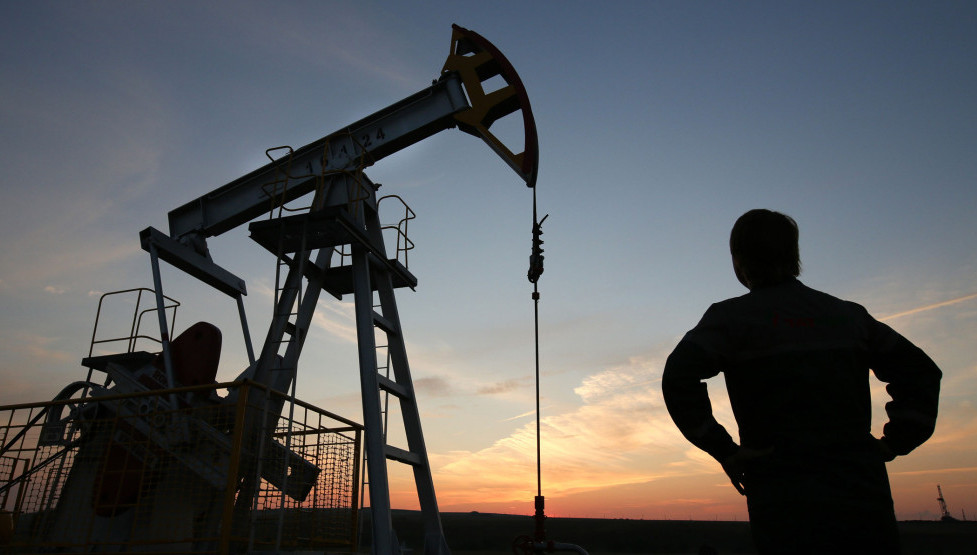
Nigeria is at the moment in a precarious position, teetering like a heavy toddler due to the instability of its monocrop economy. The country’s heavy dependence on crude (not even refined) petroleum exports exposes a cumulative effect of defective political economies and the complacency of the ruling elite “who have been trained as to how not to think”. It also reminds one of the stage-like observations of Robert Nester Marley, that “in the midst of water, the fool goes thirsty”.
Nigeria’s reliance on oil can be diversified, but the elite’s mindset stands in the way. A notable example is Mexico’s Acapulco, which transformed from an insignificant town to a luxurious tourist destination. In the 1940s, President Miguel Alemán Valdés spearheaded its transition into a world-class resort town, showcasing Mexico’s natural beauty and culture. This earned Acapulco the nickname, ‘The Pearl of the Pacific’, and made it a popular destination for relaxation, culture and adventure. Today, Acapulco boasts stunning beaches, vibrant nightlife and rich history, making it a hotspot for millionaires from Canada, the USA, Latin America and Europe.
Once upon a time in Mexico’s rich history, a visionary president adopted the role of the Chief Marketing Officer, transforming Acapulco into a thriving tourist destination and this has made it a major contributor to Mexico’s economy, with a notable impact on the country’s revenue. Given adequate development and security measures, Nigeria’s natural attractions like Obudu Cattle Ranch and Yankari Game Reserve, combined with vibrant cultural events like the Calabar Carnival, Argungu Fishing, Eyo, Ojude Oba and Udiroko also have the potential to become tourist hotspots.
The failure to think critically has consequences. Nigeria’s inability to generate at least $5 billion in tourism revenue annually, despite the growing demand for ecotourism, raises questions. For instance, why did Stevie Wonder, a renowned musician, choose to reside in East Legon in Accra, instead of Lekki in Lagos, Maitama in Abuja, or Eta Agbor Layout in Calabar? Consider also the recent presidential election, where governors met in hotels in Madrid, London, and Paris. Why not in Obudu or La Campagne Tropicana, to showcase Nigeria’s potential to international investors and sightseers?
A place like Tinapa Resort or Abraka Turf and Country Club would have been developed like Acapulco, attracting the multinational hotel chains to build five-star hotels, Eco Lodges, Golf Courses and the like. Matter-of-factly, any sustainable inflow from tourism will generate local taxes, induce a positive multiplier effect and enable the country to begin to deal with its perennial current account deficits and balance of payment crises. That this is not so is a reflection of the warped mindset of the ruling elite across the board.
The reason Nigeria is not making it is the reason it is not making it from Solid Minerals, agro-allied exports as well as ‘invincible earnings’ from sectors such as Creative Arts, Information and Communication Technology (ICT) and ‘outsourcing’. Nigeria possesses significant advantages, including its widespread use of English and high levels of education. But then, the colonized mindset of Nigeria’s elite, evident in their preference for Dubai’s manufactured appeal over domestic tourism development, has led to a neglect of the unique attractions of Obudu, Yankari and other domestic destinations, which remain underdeveloped and underappreciated.
Take, for example, over a million Indians are involved in outsourced jobs, bringing in billions of dollars-a-year into the Indian economy. They have leveraged the English-speaking skill, which is not as good as the English-speaking skill in Nigeria, to do so. Again, how many outsourced jobs have been created in Nigeria, compared to even Ghana, Kenya, Rwanda and the Republic of South Africa? Yet, Nigeria has the best human capital on the continent, actual and potential. The facts have been stated here! Indeed, it is a statement of the obvious to say that, without reworking a political economy that is an obstacle to production and creative thinking, the country will continue, very sadly, its slide into irrelevance.
Tourism in Nigeria offers a wide range of benefits, including positive social change, cultural exchange, community development and social cohesion. By facilitating cross-cultural understanding, it fosters global citizenship, empowers local communities through entrepreneurship and skill development, and promotes national unity by bridging ethnic and religious divides. Tourism also drives economic growth, alleviates poverty and inequality by creating jobs, and raises environmental awareness, promoting conservation and peace. Through the sector, individuals can engage with diverse perspectives, challenge their assumptions, and develop a broader understanding of the world. Over and above all, it helps preserve Nigeria’s cultural heritage and cultivates national pride and patriotism.
Obviously, reflecting on Nigeria’s current state can be disheartening. The country boasts a rich cultural heritage, comprising over 250 ethnic groups, each with distinct traditions, festivals, and cultural practices. It is also home to stunning natural attractions, including beaches, waterfalls, mountains, and national parks. Its ancient cities, such as Benin City with its rich royal heritage, and Osogbo with the Osun Osogbo Sacred Grove, a UNESCO World Heritage Site, hold immense cultural significance and economic potential for tourism development.
Besides, natural attractions like the Ikogosi Warm Springs, renowned for their therapeutic properties and historical sites such as the Kanem-Borno Empire in Borno State, featuring ancient artefacts and monuments, offer opportunities for local economic growth, cultural exchange and educational enrichment. However, security and safety concerns, including kidnapping and terrorism, continue to deter visitors from exploring Nigeria. Among other challenges are insufficient accommodation options, poor roads, and inadequate transportation networks. Despite its vast potential, funding constraints have also impeded the sector’s growth.
That being said, Nigeria has made efforts to develop its tourism sector, particularly during the 1970s and 1980s, when the country hosted several international events, including the 1977 Festival of Black Arts and Culture (FESTAC ’77) and the 1980 All-Africa Games. In the 1990s and early 2000s, Nigeria’s tourism industry experienced a slight resurgence, with the government launching initiatives to promote cultural tourism and ecotourism.
That Nigeria’s economy has long been overly reliant on oil, which accounts for over 90% of its foreign exchange earnings, is no longer news. That the global transition to renewable energy sources and the escalating impacts of climate change signal the decline of oil’s dominance is also a fact that’s no longer surprising. To address existing challenges and realize its full potential, the country must invest in upgrading its infrastructure, including modernizing roads, airports and hotels. Strengthening security measures, such as boosting police presence and introducing advanced surveillance systems, can help mitigate safety concerns. In addition, streamlining bureaucratic processes and combating corruption can facilitate smoother operations for tourists and investors.
Implementing targeted and effective marketing and promotion strategies, including social media campaigns and collaborations with travel companies, can effectively showcase Nigeria’s unique attractions and and cultural heritage to a global audience. It will also help in boosting visitor numbers. Lastly, developing a comprehensive Tourism Master Plan can guide the sector’s growth and development, ensuring a sustainable and prosperous future for Nigerian tourism.
As Nigeria’s oil reserves gradually dwindle, it’s time the country enhanced its visibility in the international market by embracing global best practices in tourism marketing. By doing so, Nigeria can unlock a more sustainable and prosperous economic future, generate employment opportunities and foster cultural exchange. Undoubtedly, the country’s economic future depends on tapping its tourism potential; and the time to act is now!
To be concluded
*KOMOLAFE wrote from Ijebu-Jesa, Osun State. He can be reached via (ijebujesa@yahoo.co.uk)

























You must be logged in to post a comment Login