
Africa
Breaking Free: Nigeria’s Struggle For Mental and Economic Emancipation, by Aliyu Tanimu

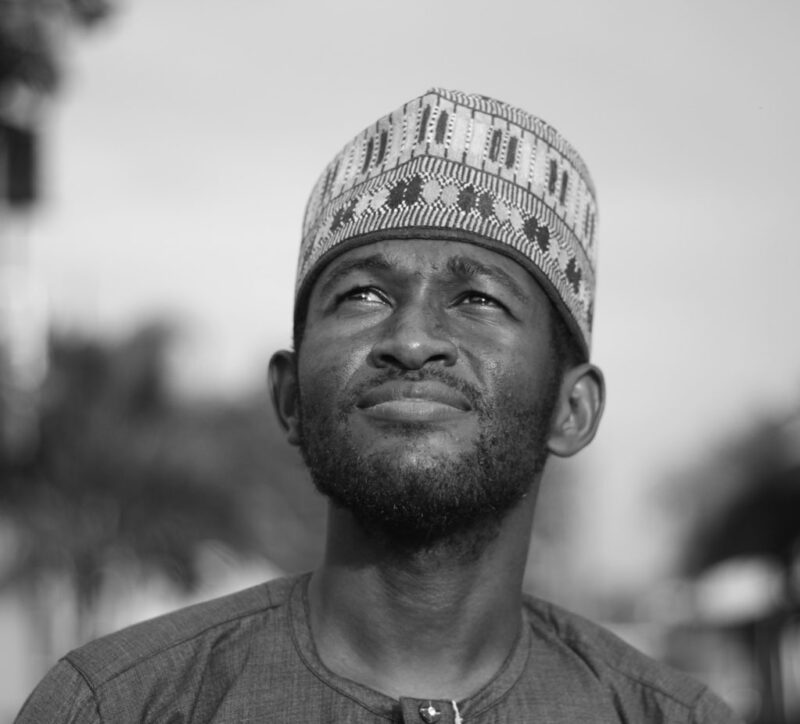
The British ruled Nigeria for approximately 96 years, from 1914 to 1960, when they granted us independence. This period was marked by struggle and sacrifice, as our founding fathers fought for self-determination. Although the British left behind a legacy of problems, two major issues stand out: the forced union of the North and South, and a colonial mindset that has persisted long after independence.
Unlike the United States, which was also under British rule, Nigeria has struggled to achieve full mental emancipation. The U.S. successfully erased many traces of its colonial past, from its spelling and accent to its government and dress. For example, Americans spell “color” as C-O-L-O-R, while the British spell it C-O-L-O-U-R. Additionally, they adopted “soccer” instead of “football.” The American government has effectively convinced its citizens of their nation’s global power, even amidst domestic challenges like gun violence. This confidence has allowed them to exert influence on the world stage.
Nigeria urgently requires mental emancipation, as many citizens still grapple with colonial mentality. Our leaders often exhibit behaviors reminiscent of colonial masters, perpetuating the oppression of vulnerable populations. The law seems to favor the wealthy, leaving the poor marginalized.
A striking example of this injustice is the case of a military officer who was imprisoned for six years for disobeying orders. This shocking incident was brought to light by the Brekete Family, highlighting the need for justice for the airman.
In Nigeria, true freedom requires mental liberation from the shackles of colonialism and social injustice.
Years after independence, Africa remains burdened by the shackles of colonialism, particularly in terms of mental slavery. Nigerian leaders often travel abroad for leisure or medical treatment, despite the country’s own tourism potential. The Obudu Ranch, the Tinapa Resort, and natural wonders like the Osun waterfall and the Jos Plateau could generate significant revenue if properly developed. However, many leaders prioritize foreign destinations like Dubai.
Late President Umaru Musa Yar’adua’s trip to Germany for treatment and President Buhari’s frequent medical visits to Britain highlight the reliance on foreign healthcare systems. Even President Tinubu’s recent decision to cut short his trip to France for a domestic appointment underscores the government’s preference for foreign travel. These frequent trips, often at taxpayer expense, drain the country’s resources. Investing in domestic tourism and upgrading existing sites could provide both economic benefits and opportunities for relaxation.
Unlike their counterparts in the U.S., Russia, or France, Nigerian leaders often prioritize foreign medical care. These countries have advanced healthcare systems capable of treating their leaders domestically. The colonial mentality that persists among Nigerian leaders manifests in their oppressive and authoritarian tendencies. Governors resist local government autonomy, and the president seeks to control the national assembly. The country’s dependence on foreign oil refineries and the neglect of its education system are further examples of this colonial legacy.
The pervasive influence of colonialism extends beyond government policies. Even individuals can be affected. A personal anecdote about a Nigerian traveler’s experience in Belgium illustrates how foreign perceptions of Nigeria can be negative. The traveler’s nationality led to a change in the Belgian woman’s demeanor, highlighting the importance of national pride and economic self-sufficiency.
The media also plays a significant role in shaping perceptions. The influx of foreign content, such as Netflix and Amazon Prime, has led to the Americanization of Nigerian storytelling. While this has increased Nollywood’s global reach, it has also contributed to a distorted view of Nigeria.
Late President Shehu Shagari, in his autobiography, described the pressure exerted by Western countries on Nigeria’s foreign policy and economic decisions. He resisted these attempts to undermine Nigeria’s sovereignty and focused on policies that benefited the Nigerian people.
The challenges facing Nigeria extend beyond foreign influence. Corruption, particularly in the oil sector, remains a significant problem. Illegal mining activities, such as gold panning in Zamfara state, contribute to the loss of billions of dollars. The preferential treatment given to foreigners, including in terms of security and business opportunities, further exacerbates the sense of inequality.
Multinational corporations like Julius Berger have contributed to environmental degradation through their activities in Nigeria. The destruction of mountains for construction materials has had a negative impact on the landscape.
The educational system also suffers from colonial-era practices. Lecturers’ authoritarian approach can create a hostile learning environment, leading to anxiety disorders among students. The decline in the use of local languages is another consequence of colonialism.
The British have whitewashed their colonial history, focusing on selective narratives that downplay their atrocities. The discovery of the Niger River is often attributed to Europeans, ignoring the indigenous knowledge and presence in the region.
In conclusion, Nigeria requires a national reorientation and a mindset shift away from mental slavery. Economic liberation and reduced dependence on foreign interference are essential. The country must embrace the Fourth Industrial Revolution and look inward for solutions. By addressing these challenges and building on its strengths, Nigeria can overcome its colonial legacy and achieve a brighter future for Nigeria.
Arc Aliyu Tanimu
+2347033399363
Kaduna, Nigeria.
Entrepreneur and freelance architect with many years experience, skilled writer, activist, columnist with passion for designing and communicating innovative and functional spaces



























You must be logged in to post a comment Login