
Africa
How Insecurity Is Driving Food Prices Beyond The Reach Of Nigerians -By Zainab Odunayo Haruna
The soaring food prices are not just about inflation; they are about dignity. A nation that cannot guarantee affordable food is a nation in crisis. Nigeria’s path to stability begins with securing its farmers and protecting its fields. Until that happens, every visit to the market will remain a reminder — not just of hunger — but of how insecurity is eating away at the nation’s soul.

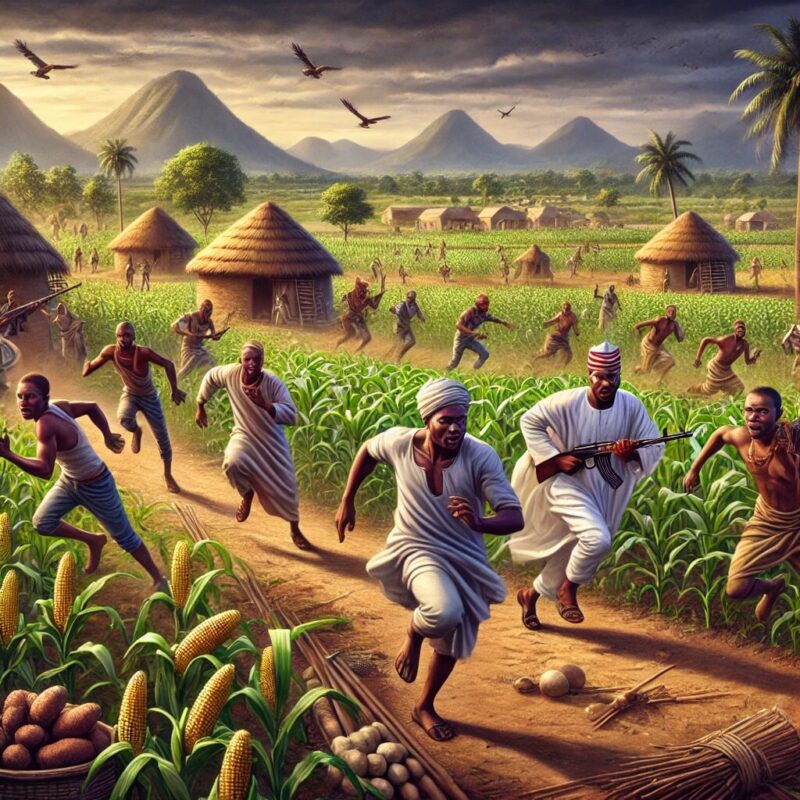
In markets across Northern Nigeria, food prices have reached unbearable heights. From Maiduguri to Kano, from Yola to Sokoto, the story is the same — fewer goods on the stalls, more complaints from buyers, and frustration from sellers. The sharp rise in the cost of food is no longer just an economic concern; it is a matter of survival. Behind these figures lies a dangerous truth: insecurity has crippled Nigeria’s ability to feed itself.
For years, the northern region served as the nation’s food basket, producing grains, vegetables, and livestock that fed both urban and rural populations. But today, insecurity — in the form of banditry, insurgency, and kidnapping — has turned fertile farmlands into killing fields. Thousands of farmers have been displaced, many have been kidnapped for ransom, and vast farmlands now lie abandoned. In some communities, farming has practically become a life-threatening venture.
The ripple effect is staggering. With fewer farmers on the fields, the supply of food has dropped drastically, while demand continues to rise. The result is skyrocketing prices. A measure of maize that sold for ₦800 last year now costs over ₦1,600. Beans, millet, and sorghum — staples for most northern families — have doubled or even tripled in price. For ordinary Nigerians, particularly those earning daily wages, feeding their families has become a daily struggle.
The situation is worse for displaced persons living in camps around Maiduguri, Damaturu, and other affected areas. Many depend on inconsistent humanitarian aid that can no longer meet the growing demand. Some families skip meals or rely on cheap, low-nutrient alternatives just to survive. Mothers are the hardest hit — they watch helplessly as malnutrition grows among children, not because they are lazy, but because insecurity has robbed them of access to land and livelihood.
Transport costs have also worsened the crisis. Truck drivers now avoid certain highways due to fear of ambush or kidnapping. Those who dare to transport goods from farms to urban centers demand higher pay to cover the risks. Every increase in transport cost translates to higher food prices in the markets. In short, the insecurity that begins in the bushes ends up emptying pockets in the cities.
Yet, while citizens battle hunger, the government’s response has been painfully slow. Occasional military raids are publicized, but the reality on the ground remains unchanged. Farmers are not returning to their lands because they still feel unsafe. Food inflation is treated as a statistic, not a symptom of a national emergency. The disconnect between policymaking in Abuja and the suffering in rural Nigeria is widening every day.
This crisis also exposes a larger problem: Nigeria’s dependence on food imports despite its agricultural potential. When insecurity stops domestic production, the government turns to importation — further weakening the naira and inflating costs. Instead of fixing the root causes of food insecurity, we are importing solutions that only the wealthy can afford. This is not sustainable.
To address the crisis, government must first restore security in rural areas. Soldiers alone cannot solve this; it requires a combination of community intelligence, local vigilante cooperation, and sustained presence of law enforcement in vulnerable zones. Farmers must be assured that they can work without fear of death or abduction. The state must also rebuild trust by compensating victims and providing insurance for those who dare to return to farming.
Beyond security, there must be deliberate investment in agricultural recovery. This includes subsidizing farm inputs, rehabilitating irrigation systems, and building safe storage facilities. The government should partner with local cooperatives and private investors to create value chains that protect farmers from market shocks. With the right strategy, agriculture can still lift millions out of poverty — but without peace, no policy will stand.
The soaring food prices are not just about inflation; they are about dignity. A nation that cannot guarantee affordable food is a nation in crisis. Nigeria’s path to stability begins with securing its farmers and protecting its fields. Until that happens, every visit to the market will remain a reminder — not just of hunger — but of how insecurity is eating away at the nation’s soul.
Zainab Odunayo Haruna is a 300 Level Student From Mass Communication Department University Of Maiduguri.

























You must be logged in to post a comment Login