
Africa
Masks, Masquerades and Governance in Nigeria -By Ike Willie-Nwobu
These important exercises which contribute to good and effective governance should not be limited to election seasons when phony promises and empty speeches pile up.
Nigerians are not insatiable and will show that they will care about their country and those who lead them if they perceive that those they elect into office care enough about them.

These days, for many Nigerian public office holders, distance is survival, and shrouding their identity is the difference between safety and vulnerability.
They veil the plate numbers of their official vehicles whenever they are outside their homes so that Nigerians will not know that they are around or passing; they move from one tinted vehicle to another with carefully orchestrated moves designed to ensure minimum contact with Nigerians who elected them.
It begs the question of how much can be private in public service.
While many public office holders have maintained the tradition of leaving the plate numbers on their official vehicles uncovered so that Nigerians can know who is passing and when, or who is at what place at any given time, many others now choose to veil their identity.
For twenty-five years now, Nigerians have been eating the fruits of democracy. While there have been several angry complaints down the years that these fruits are rather stale and not as succulent as they ought to be, many Nigerians have made it abundantly clear that they would rather eat the shrunken fruits of democracy that the succulent but sour fruits of autocracy.
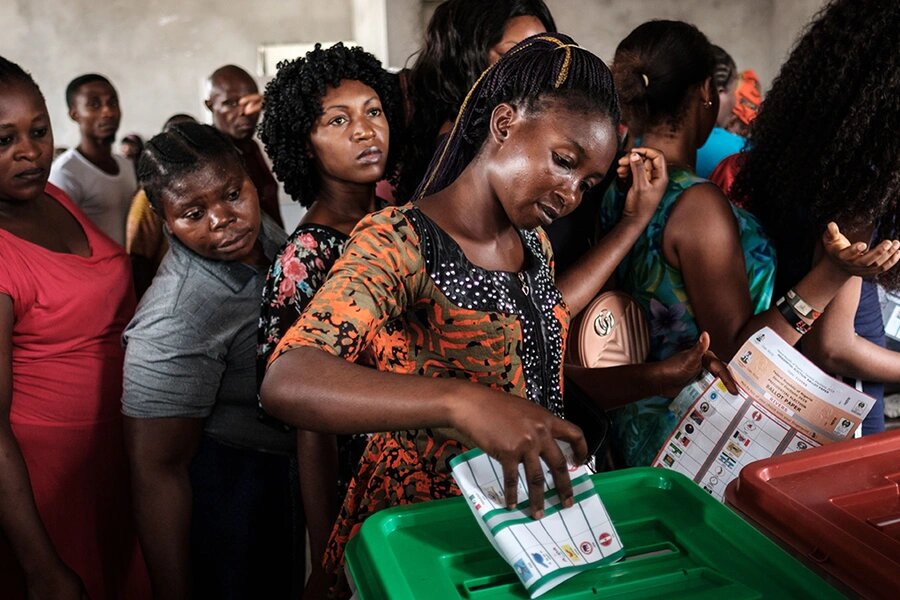
At the heart of Nigeria’s constitutional democracy is elections which when reduced to bare bones give Nigerians the opportunity to give their votes to elected officers who are supposed to serve them in turn and in return. It does not envisage servitude, but a social contract where social agreements are respected.
If there is to be a master in this relationship, the role should be reserved for Nigerians who cast their votes to elect their leaders.
However, for many Nigerians, the experience in the last two decades have been markedly different. Many of those elected to serve Nigerians have instead turned the tables around to subject them to all manner of ill-treatment and highhandedness.
For many of these office holders, once elected, keeping their distance from Nigerians becomes a rite they must religiously adhere too. This includes ensuring that those who elected them have no information about their presence, activities or locations. Many times, this means completely cutting off access to those who elected them until another election beckons.
Many public office holders in Nigeria hardly attend any events where those who voted them into office can have access to them; they hardly go to the market or banks themselves or appear in those public places where Nigerians can approach them unhindered and feel comfortable enough to bare their minds.
Even when they unexpectedly encounter Nigerians, their security details are always at hand to keep contact to a minimum.
Decidedly, many public office holders in Nigeria who prefer to shroud their lives in secrecy would point to insecurity which seems to spring up from the ground everywhere in Nigeria. But the irony would not be lost on many that that insecurity is inhibiting them when it is their responsibility to do something about it.
Public despair and distress begins when people perceive that they have no stake in government. This often leads to a handful of harsh and uncomfortable consequences for the government, as without the cooperation of those they lead, they cannot hope to achieve much.
If leaders who were elected into office by Nigerians continue to keep their distance from those who elected them, how will they get feedback? If contact does not exist at all, or they go out of their way to minimize contact, how will they know what their people need most or what to do to provide assistance and relief? How can a leader lead effectively if he is not in touch with the people he leads in the places they live and the challenges they face? How can public trust be rebuilt in Nigeria’s public office holders when they continue to treat those who elected them like lepers while having no compunction about flaunting ostentatious lifestyles funded by public funds?
It is the responsibility of public office holders in Nigeria to rebuild trust in government and rebrand governance in Nigeria by giving it a human face.
They should hold strategic outreaches and meetings which should have nothing to do with politics but everything to do with how Nigerians are faring and how they are fighting the challenges they face.
They should make it a point of duty to visit people in their residential areas and gather first-hand information about how they live.
They should also listen to the people on the projects to embark on and channel commitments towards embarking on those projects.
These important exercises which contribute to good and effective governance should not be limited to election seasons when phony promises and empty speeches pile up.
Nigerians are not insatiable and will show that they will care about their country and those who lead them if they perceive that those they elect into office care enough about them.
Ike Willie-Nwobu,
Ikewilly9@gmail.com

























You must be logged in to post a comment Login