
Africa
Meningitis In Maiduguri: A Silent Threat In The Sahel -By Beatrice Bala Amos
The intersection of meningitis with other health challenges in Maiduguri makes it even harder to tackle. Malnutrition, which weakens the immune system, is common in both children and adults due to food insecurity in the region. Malnourished individuals are less able to fight infections, increasing both the severity of symptoms and the risk of death. In addition, the high prevalence of other communicable diseases such as measles and cholera diverts scarce resources and attention away from meningitis prevention and treatment.

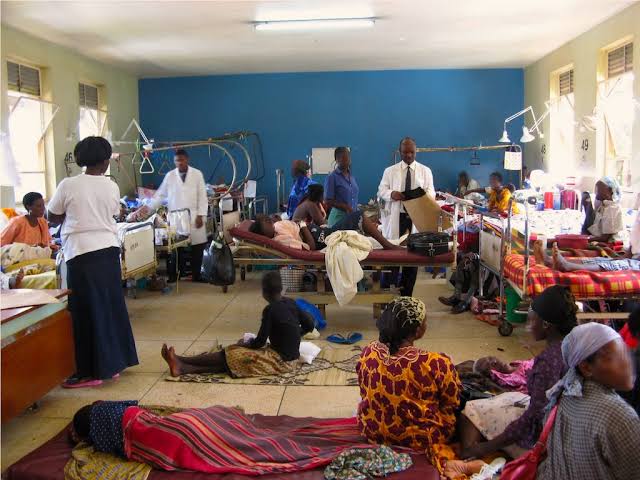
Maiduguri, the bustling capital of Borno State, has long been known for its resilience amid insurgency, displacement, and humanitarian challenges. But beyond the security headlines lies another silent threat — meningitis. This potentially fatal infection of the membranes surrounding the brain and spinal cord strikes quickly and can claim lives within hours if not treated promptly. In a region already grappling with fragile healthcare systems, meningitis adds another layer of urgency to an already strained public health landscape.
Meningitis outbreaks in Maiduguri are not isolated events; they are part of a broader health pattern across the “Meningitis Belt” of sub-Saharan Africa, stretching from Senegal to Ethiopia. Borno State, with its harsh climate, overcrowded displacement camps, and limited health infrastructure, provides ideal conditions for the disease to spread. The hot, dry, and dusty winds that sweep across Maiduguri during the harmattan season irritate the respiratory tract, making people more susceptible to infection. In such an environment, one infected person can rapidly transmit the disease to others through coughing, sneezing, or close contact.
The threat is heightened in the city’s numerous internally displaced persons (IDP) camps. Forced to flee violence in rural areas, thousands of families now live in cramped, makeshift shelters with limited access to clean water, adequate ventilation, and basic hygiene facilities. In such settings, the bacteria that cause meningitis — most commonly Neisseria meningitidis — can spread like wildfire. Health workers warn that the convergence of displacement, poverty, and poor sanitation is a dangerous mix that makes Maiduguri especially vulnerable during the annual meningitis season.
The symptoms of meningitis can be deceptively similar to those of other febrile illnesses common in the region, such as malaria and typhoid fever. Victims often experience sudden fever, severe headaches, neck stiffness, sensitivity to light, and in some cases, confusion or seizures. In infants, the signs can be even harder to detect, with irritability, poor feeding, and vomiting being the only indicators. This similarity in symptoms often delays diagnosis, giving the disease precious time to advance and increasing the risk of death or permanent disability.
For survivors, the aftermath of meningitis can be devastating. Even with treatment, the infection can leave lasting complications such as hearing loss, brain damage, and learning difficulties. In a city where many families already struggle to access education and healthcare, such disabilities create additional social and economic burdens. The human cost is not only measured in lives lost but also in futures diminished.
Health authorities in Borno State, often with support from international partners like the World Health Organization (WHO) and Médecins Sans Frontières, have made significant efforts to contain outbreaks. Annual vaccination campaigns are a cornerstone of prevention, targeting vulnerable populations before the peak season from December to June. In Maiduguri, these campaigns often extend into IDP camps, schools, and marketplaces to ensure maximum coverage. The introduction of the MenAf’IVac vaccine has dramatically reduced cases of serogroup A meningitis across West Africa, but outbreaks caused by other strains such as C, W, and X remain a concern.
The challenge, however, is no’ just about vaccines. Surveillance systems in Maiduguri are under pressure, with limited laboratory capacity to quickly confirm suspected cases. Many health facilities lack the equipment to perform lumbar punctures — a critical diagnostic step — and samples must often be sent to distant laboratories, delaying results. In the meantime, healthcare workers must make life-and-death treatment decisions based on clinical judgment alone, a risky but often unavoidable practice.
Public awareness is another critical gap. Many residents in Maiduguri are unfamiliar with the early warning signs of meningitis or the urgency of seeking medical care. Some attribute the illness to spiritual causes or seasonal changes, leading to reliance on traditional remedies instead of timely hospital visits. By the time a patient reaches a clinic, the disease may have progressed beyond the point where treatment can reverse the damage. Health educators emphasize the need for sustained community engagement to break these patterns and encourage prompt reporting of symptoms.
The intersection of meningitis with other health challenges in Maiduguri makes it even harder to tackle. Malnutrition, which weakens the immune system, is common in both children and adults due to food insecurity in the region. Malnourished individuals are less able to fight infections, increasing both the severity of symptoms and the risk of death. In addition, the high prevalence of other communicable diseases such as measles and cholera diverts scarce resources and attention away from meningitis prevention and treatment.
Ultimately, combating meningitis in Maiduguri requires more than emergency responses during outbreaks. It demands year-round preparedness, including strengthening health systems, expanding vaccination coverage, improving disease surveillance, and building public trust through health education. For a city already carrying the weight of humanitarian crises, the stakes could not be higher. Meningitis may be a silent threat, but without sustained action, it will continue to claim lives quietly, season after season. The people of Maiduguri deserve not only protection from violence but also protection from preventable diseases that threaten their future.
Beatrice Bala Amos Is A 300 Level Student From Mass Communication Department University Of Maiduguri.

























Diana Balami
August 18, 2025 at 12:01 pm
Nice article