
National Issues
Nigeria @64: Still Searching for Good Leadership, by Ibrahim Mustapha Pambegua

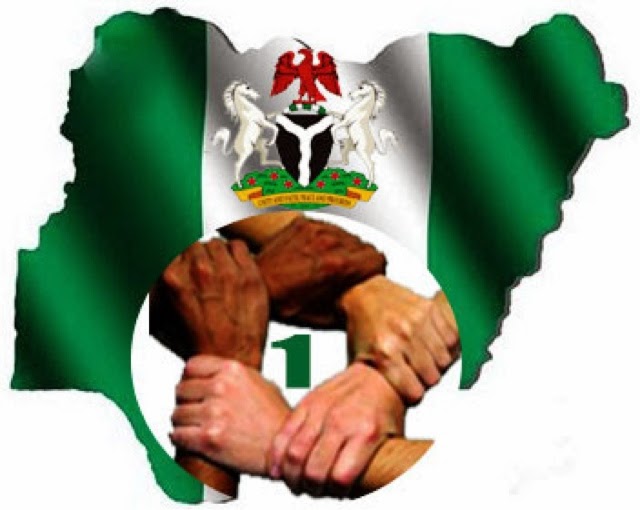
Nigeria will on Tuesday, 1 October, marks 64 years of independence. At 64 years since the union jack was lowered and green white green flag was raised, it has been one lamentation to other from Nigerians. India which attained political independence the same date with Nigeria has developed economically and politically, while Nigeria is still lacking behind in all aspects of human development. After Nigeria obtained independence on 1st October 1960, it adopted parliamentary democracy with regional governments. It is unarguably to say, the country’s road to political and socioeconomic development was rooted or built by first generation leaders who despite their political difference, put their people and the country at the front burner. At 64 years of independence, Nigerians are still celebrating and reflecting the exemplary leadership qualities displayed by the like of Ahmadu Bello( Sardauna of Sokoto), Nnamdi Azikiwe, Obafemi Awolowo and Tafawa Balewa of blessed memory. All the four political regions under their purposeful leadership witnessed massive socioeconomic development, ranging from infrastructure, agriculture to education. There was an intense competition between the regions with each one tried to outshine one another in a competitive manner.
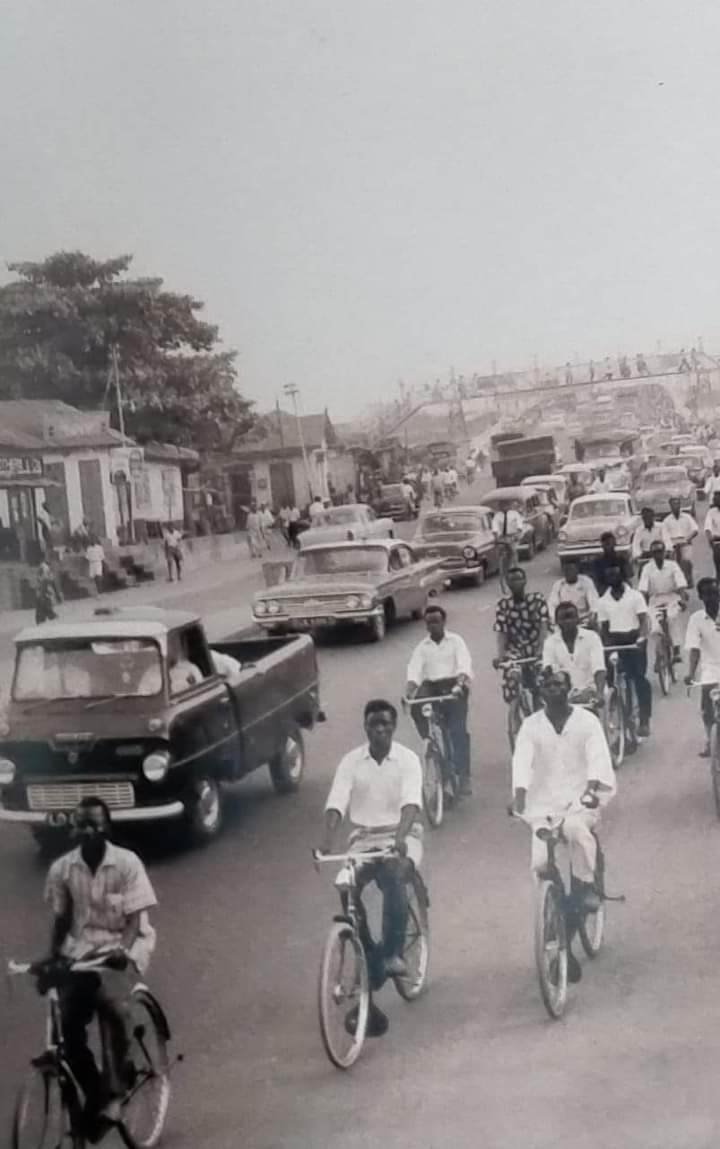
Until the military incursion in 1966 which terminated the first republic, ruined and shattered the dream of better Nigeria, the country looked promising with all sign of greatness attached to it. Added to the catalogue of Nigeria’s woes was the civil war that dragged the country into murky water of uncertainty and deep suspicion. However, the evil spirit of 1966 coup d’etat and civil war is still hunting the country. Though, successive military regimes had put various measures to heal the wound arising from the ashes of past mistakes through creation of states and other programmes to promote national unity and cohesion, Nigeria is still battling with lack of unity, ethnic bating and deep suspicion among the diverse ethnic religious composition. In recent times, there was subtly move by some ethnic or regional warriors to regurgitate the agitation of separatism. These separatists did not believe in one Nigeria. They have waged a war against the state and vigorously campaign for dismemberment of the country. At 64 years of independence, Nigerian peace, unity and development are being threatened by some dark forces.
Nigeria’s 64 years of independence anniversary coincides with 25 years of uninterrupted democracy in the country. It is still debatable, whether our 25 years democracy journey has positively translated the lives of over 220millions Nigerians or not. For instance, World Poverty Clock, an international rating organisation, estimated that over 133 millions Nigerians are multidimensional poor. The numbers may have increased with the current administration twins policies of fuel subsidy removal and floating of naira. Despite the facts, Nigeria is blessed with abundant human and natural resources, it is pace of development has remained low due to corruption entrenched by our political leaders. These Leaders across the three levels of government have been accused for mismanagement of resources mean for development. In the last 64 years of political independence, it is estimated that billions of dollars accrued to the country as revenues have been squandered. It is sad to note, the leadership recruitment process is riddled with lack of transparency leading to the emergency of unprepared and corrupt leaders.
For the country to catch up with others developed countries, it needs to redefine its leadership recruitment process and improve governance by adopting a transformational leadership approach, which prioritizes the nation’s interests over personal gains .This style of leadership focuses on inspiring and empowering citizens to work towards a common goal. Strengthening institutions and ensuring they are independent and effective in checking corruption and promote good governance. Implementing measures to increase transparency and accountability, such as open budgets and regular audits, encouraging active citizen participation in governance through education and inclusive decision-making processes and above all implementing policies that promote economic growth, reduce poverty, and address inequality. By consciously adopting these strategies, Nigeria’s leadership can improve governance, promote economic growth, and enhance the well-being of its citizens.
Ibrahim Mustapha Pambegua, Kaduna state. 08169056963.



























You must be logged in to post a comment Login