
Africa
Nigeria At 65: Reflecting On The Past, Shaping The Future -By Nkiru Okparuba Jude
As Nigeria reflects on its 65th year of independence, the green-and-white flag remains a symbol of hope. It tells the story of resilience—the resilience of farmers who till the land despite economic hardship, of teachers who nurture the next generation despite limited resources, of entrepreneurs who innovate despite infrastructure bottlenecks, and of millions of ordinary citizens who, every day, contribute to the nation’s survival. Independence anniversaries are not ends in themselves but milestones along a continuing journey.

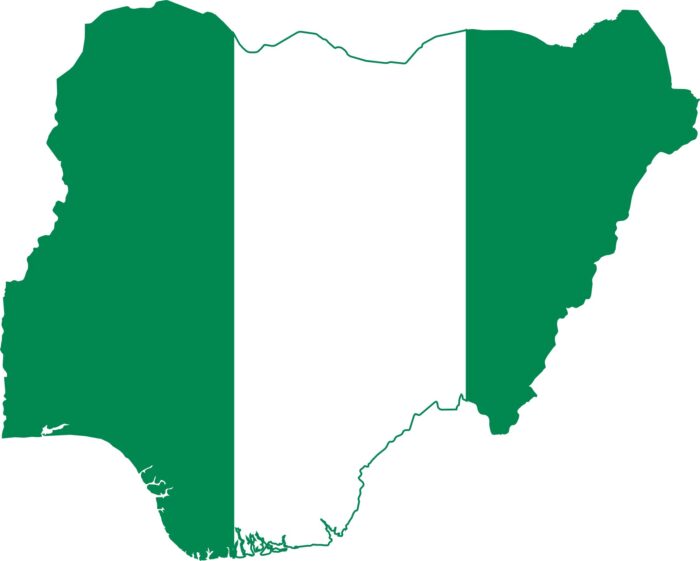
Yesterday, Nigeria celebrated her 65th Independence Anniversary, a moment that offered both pride and sober reflection for citizens across the country and in the diaspora. On October 1, 1960, the Union Jack was lowered for the last time, and in its place, the green-and-white flag was hoisted at the Race Course in Lagos. That day symbolized freedom, self-determination, and the beginning of a journey that generations had long anticipated. It was not only a political victory but also a cultural and psychological milestone that signaled the end of colonial domination and the birth of a sovereign nation. Sixty-five years later, the Nigerian story has been one of hope, resilience, triumphs, and trials—an unfinished journey that continues to demand collective commitment.
At independence, the world saw Nigeria as a rising star in Africa, endowed with abundant human and natural resources, a vibrant youthful population, and a strategic position on the continent. Expectations were high, and Nigerians themselves looked forward to rapid development, political stability, and a future of shared prosperity. The early post-independence years carried this optimism, with a blossoming of cultural pride, agricultural growth, and an expanding middle class. However, the young nation soon encountered difficulties. The political crisis of the First Republic, followed by a brutal civil war, interrupted the momentum. In the decades that followed, military coups, dictatorship, economic mismanagement, and social unrest became recurring features of Nigeria’s national life. Despite these obstacles, the enduring spirit of Nigerians—ordinary men and women striving to improve their lives—remains the glue that has held the country together.
One of the most remarkable milestones in Nigeria’s post-independence history is the return to democratic rule in 1999 after decades of military regimes. For over two decades, democracy has provided a platform for political participation, freedom of expression, and institutional growth. While the democratic journey has been fraught with irregularities—contested elections, corruption, and governance gaps—it has also brought progress in strengthening civil society, deepening constitutionalism, and amplifying citizens’ voices. The Independence Day celebrations of 2025 came as a reminder that democracy is not just about holding elections, but about building systems of accountability and ensuring that governance reflects the aspirations of the people. For many Nigerians, the celebration was both a thanksgiving for surviving six decades of sovereignty and a call to action for leaders to align policy with the needs of the population.
Nigeria’s greatest asset, beyond oil and natural resources, is its people. With a population of over 200 million, more than 70 percent of whom are under 35, Nigeria has one of the largest youthful populations in the world. This youth bulge presents both a challenge and an opportunity. On one hand, the frustration of unemployed or underemployed youths can fuel social discontent and instability. On the other, their creativity, energy, and innovation can propel the country into a new era of economic growth and global influence. Already, Nigerian youths are leaving their imprint on the world stage—from the global popularity of Afrobeats and Nollywood to achievements in sports, literature, and technology. Independence Day is thus not only a time to honor the sacrifices of the past but also a call to invest in education, skills development, and job creation that will unlock the full potential of this demographic.
Yet, Nigeria’s journey is far from easy. Sixty-five years after independence, the country still contends with multiple challenges that threaten its stability and progress. Insecurity—ranging from insurgency in the North-East to banditry and kidnappings in other regions—remains a pressing concern. Economic hardship, marked by inflation, currency depreciation, and rising cost of living, weighs heavily on households. Infrastructure deficits continue to stifle productivity, while access to healthcare, electricity, and potable water remains uneven across the federation. Furthermore, corruption and a deepening trust gap between leaders and citizens undermine confidence in government institutions. These realities mean that Independence Day cannot simply be about festivities; it must be about deep reflection on how to address structural problems and lay the foundation for sustainable development.
Looking to the future, the task before Nigeria is both daunting and inspiring. The next decades must be defined by deliberate policies that prioritize inclusive growth, national cohesion, and equity across ethnic, religious, and regional lines. Nigeria’s independence should no longer be defined merely by freedom from colonial rule but by the ability of citizens to enjoy social justice, economic opportunities, and political stability. This requires leaders who are visionary, accountable, and committed to nation-building, as well as citizens who are engaged and united in their pursuit of progress. For Nigeria, the path forward lies in harnessing its diversity as a strength rather than a weakness, in building trust between government and the governed, and in reimagining governance structures to serve the people more effectively.
As Nigeria reflects on its 65th year of independence, the green-and-white flag remains a symbol of hope. It tells the story of resilience—the resilience of farmers who till the land despite economic hardship, of teachers who nurture the next generation despite limited resources, of entrepreneurs who innovate despite infrastructure bottlenecks, and of millions of ordinary citizens who, every day, contribute to the nation’s survival. Independence anniversaries are not ends in themselves but milestones along a continuing journey. Yesterday was a day of commemoration; today must be a day of commitment. Nigeria must rise above its challenges and chart a future worthy of the sacrifices of its founding fathers and the aspirations of its people.
Happy Independence Anniversary, Nigeria. The journey continues, and the story is still being written.
Nkiru Okparuba Jude is a 300 Level Student From Mass Communication Department University Of Maiduguri.






















You must be logged in to post a comment Login