
Africa
Nigeria’s Fuel Subsidy Removal: Economic Imperative or Social Burden?, by Usman Abdullahi Koli

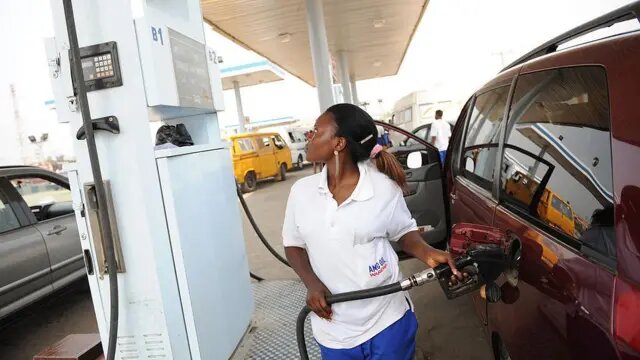
In recent months, the Nigerian National Petroleum Company Limited (NNPCL) has significantly raised the price of petrol, leading to widespread concern among citizens and stakeholders alike. The removal of fuel subsidies, which had long been a contentious issue, was finally implemented by President Bola Tinubu’s administration, resulting in a market-driven pricing mechanism. This policy shift, aimed at addressing the fiscal challenges posed by the subsidy regime, saw petrol prices skyrocketed from around N195 per liter to over N617 per liter in some areas by mid-2023.
The subsidy, which had cost the Nigerian government over $10 billion annually, was said to be unsustainable in the face of declining revenues and rising debt levels. The government argued that the funds spent on subsidies could be better utilized in other critical sectors like education, healthcare, and infrastructure. However, the suddenness of the price hike left many Nigerians reeling, with transportation costs, food prices, and general living expenses soaring, exacerbating the economic hardship already felt by millions.
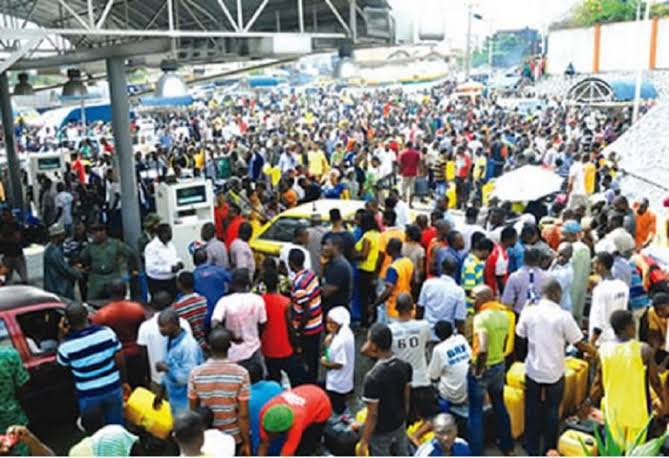
Against the backdrop of these developments, the Dangote Petroleum Refinery, which is the largest single-train refinery in the world, has been seen as a beacon of hope for Nigeria’s fuel supply. Commissioned in May 2023, the refinery has the capacity to process 650,000 barrels of crude oil per day, which could significantly reduce Nigeria’s dependence on imported refined petroleum products.
Prior to Dangote’s refinery, Nigeria, despite being Africa’s largest oil producer, relied heavily on imported petrol due to the inefficiency and underutilization of its state-owned refineries. This reliance on imports not only drained foreign reserves but also made the country vulnerable to global oil price fluctuations.
The Dangote refinery’s operations could change this dynamic. By producing refined petrol locally, it could help stabilize the supply and potentially lower costs over time. The refinery is also expected to save Nigeria up to $10 billion in foreign exchange annually and create over 100,000 indirect jobs, boosting the economy. Furthermore, it could position Nigeria as a net exporter of refined petroleum products, earning valuable foreign currency and enhancing the country’s economic sovereignty.
The removal of fuel subsidies was a long-advocated policy by economic experts and international financial institutions like the International Monetary Fund (IMF) and the World Bank. They argued that subsidies were a drain on government resources, often benefiting the wealthy more than the poor and encouraging corruption within the fuel distribution system. From this perspective, the subsidy removal is seen as a necessary step to reform Nigeria’s economy and free up resources for developmental projects.
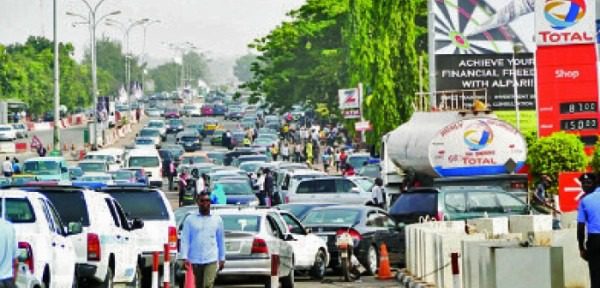
However, critics argue that the government failed to adequately prepare the populace for the inevitable shock of subsidy removal. The absence of social safety nets or palliatives to cushion the blow has left many Nigerians feeling abandoned by their government. The immediate impact has been harsh, with inflation rising to unprecedented levels, and many households struggling to afford basic necessities.
The NNPCL’s role in the recent price increases has also been criticized. As the national oil company, its ability to influence market prices raises questions about the effectiveness of competition in the newly deregulated market. Many Nigerians fear that without sufficient checks and balances, the NNPCL and other major players might exploit the situation to maintain high prices, keeping fuel out of reach for the average citizen.
In the long term, the Dangote refinery could be a game-changer for Nigeria’s petroleum industry. The refinery’s ability to meet a substantial portion of domestic fuel demand could force market prices down due to increased competition, even with NNPCL’s market dominance. Moreover, Dangote’s integrated supply chain—from crude oil refining to the distribution of finished products—could ensure more efficient operations and lower production costs, benefits that could be passed on to consumers.
Additionally, Dangote’s strategic investments in infrastructure, such as its own pipelines for crude oil and products, help reduce logistics costs, further driving down prices. The refinery’s success could also inspire confidence among other private investors, leading to more investments in the oil and gas sector, which has long been dominated by public enterprises with a history of inefficiency and corruption.
However, the refinery’s success is not guaranteed and will depend on various factors, including the government’s regulatory framework, global oil prices, and Dangote’s ability to manage operational challenges. Yet, with the right support and policies in place, the Dangote refinery could provide a much-needed solution to Nigeria’s perennial fuel supply challenges and ease the burden on Nigerians grappling with high fuel prices.
The recent fuel price increase by NNPCL and the removal of subsidies have undoubtedly placed a heavy burden on Nigerians, particularly the poor and middle class. While the policy shift is economically justified, its execution has been less than ideal, leaving many citizens struggling to cope with the resulting inflation and economic instability.
On the other hand, the Dangote refinery offers a promising alternative that could eventually alleviate some of these challenges by ensuring a more stable and possibly cheaper supply of petrol. The success of this venture could not only reduce Nigeria’s dependency on imports but also create jobs, save foreign exchange, and boost the economy.
For now, the situation remains precarious, and the government will need to carefully balance its fiscal policies with the needs of its citizens. Ensuring that the benefits of the Dangote refinery and other reforms reach the populace will be key to maintaining public trust and avoiding further economic and social unrest.
Usman Abdullahi Koli,
mernoukoli@gmail.com.




























You must be logged in to post a comment Login