
Africa
Oh, Not Again! When Will Tinubu Stop Fueling Nigerians’ Suffering With Petrol Price Increase?, by Isaac Asabor

In yet another blow to an already beleaguered populace, the Nigerian National Petroleum Corporation Limited (NNPCL) has again announced an increase in petrol prices. For a nation still grappling with the aftermath of multiple economic shocks, from inflation to currency devaluation, this development is neither surprising nor welcome. What it has done is reignite a pressing question that looms in the minds of millions: when will the government of President Bola Ahmed Tinubu finally put an end to policies that deepen the suffering of everyday Nigerians?
Nigerians have endured one of the most challenging economic climates in recent memory. The increased price of petrol adds to the hardships, amplifying public frustrations and worsening the already strained conditions of daily life. For a government that came into office promising relief, this latest hike serves as a bitter reminder of promises left unfulfilled. Here, we examine the impact of the recent increase, the government’s rationale, and the urgent need for an alternative approach that does not undermine the very people it is meant to serve.

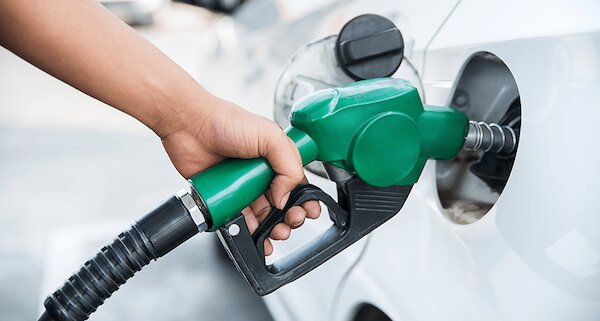
Nigeria has long held the unenviable title of Africa’s largest oil producer, and yet, paradoxically, it is also one of the continent’s most petrol-dependent economies. The reason for this contextual lamentation cannot be farfetched as the NNPCL has again raised the retail price of petrol in Abuja to N1, 060 from N1, 030 per litre, and in Lagos, NNPCL stations increased the unit price of the commodity from N998 to N1, 025 per litre. Given the foregoing facts, only God knows how much the commodity would be sold or selling in other parts of the country. In an economy where fuel costs permeate virtually every sector, the implications of this price increase are far-reaching and, for many, overwhelming.
The petrol price hike has spurred a cascading effect on the cost of transportation, goods, and services. In a country where public transport is the lifeline for millions of Nigerians, the immediate impact on commuting costs is severe. Take, for example, a commuter who used to spend N500 daily on transportation to and from work. With the increased fuel prices, this cost has more than trippled in many cities, leaving many workers with the impossible choice between affording transport and other basic necessities. The result? Reduced purchasing power, increased poverty, and a rapidly shrinking middle class.
The Nigerian government has long argued that fuel subsidies are a drain on the nation’s resources and have defended their removal as a fiscally responsible measure. President Tinubu and his administration contend that subsidies were unsustainable, arguing that the billions saved could instead be invested in critical infrastructure and social programs. While this might be logical in theory, the practical consequences have been dire for ordinary Nigerians, especially as there appears to be no tangible relief measures to counterbalance the impacts.
Indeed, subsidy removal without a clear safety net for the vulnerable has laid bare the flaws in the government’s approach. Subsidies, while imperfect, served as a buffer for citizens against international market fluctuations and economic instability. With their removal, the price of petrol is now directly linked to the whims of global oil prices, leaving Nigerians at the mercy of forces they cannot control and which the government, so far, has shown little ability to mitigate.
For many Nigerians, the argument that subsidy removal will lead to a better future seems empty. Since the removal of subsidies, ordinary citizens, not the wealthy or the political elite, have borne the brunt of the fallout. Market women, drivers, low-income workers, and small business owners are among the hardest hit. The unavailability of affordable alternatives to petrol as a fuel source exacerbates their struggles. In many cases, small businesses have had to downsize, lay off employees, or raise prices just to survive.
Beyond economic implications, the social impact of these policies is glaring. Increased hardship has led to heightened frustration among the populace, fueling a sense of disenfranchisement and distrust towards government leaders. This is particularly poignant given Nigeria’s high youth population, who are now not only facing an uncertain economic future but also witnessing a government seemingly indifferent to their plight.
While President Tinubu was elected on promises of change, his administration’s policy decisions have often left citizens questioning the true motives. The handling of the fuel price crisis follows a trend of economically impactful decisions made with little input from or consideration for those they affect most. It’s worth asking: how has the government ensured that Nigerians benefit from these policies? Have they put systems in place to support the transition to a subsidy-free fuel regime? For many Nigerians, the answer is a resounding capital “NO”
Earlier this year, the Tinubu administration launched a program claiming to offer N8, 000 monthly stipends to impoverished households as a way to cushion the blow of subsidy removal. However, this initiative quickly drew criticism. Many questioned the adequacy of N8, 000, given the soaring costs of basic necessities. Others expressed concerns about the transparency of the program, suspecting that funds could be diverted, as has been the case with previous social intervention programs. Ultimately, these efforts have done little to allay public fears or alleviate the very real suffering that so many face daily.
While the situation appears bleak, there are several policy pathways that could help alleviate the burden on Nigerians and foster a more equitable approach to managing the nation’s petrol resources. Some few potential solutions cut across strengthen public transportation systems, encourage alternative energy sources, transparency and accountability in governance, economic reforms to stabilize inflation and introduce conditional cash transfers for low income households.

Investing in robust public transportation infrastructure could drastically reduce Nigerians’ dependence on petrol-powered vehicles. Efficient and affordable public transport would not only ease commuting costs but also reduce the overall demand for petrol, leading to price stabilization in the long run.
The government could intensify efforts to promote alternative energy sources, such as solar power and compressed natural gas (CNG). Subsidizing these alternatives or providing incentives for businesses and households to adopt them could help reduce the country’s reliance on petrol and ultimately relieve pressure on prices.
If the government claims that subsidy savings are being used for development, they should provide clear, accessible data on how these funds are allocated. Implementing oversight mechanisms and making this information publicly available would help rebuild public trust.
Addressing the underlying causes of Nigeria’s economic woes requires comprehensive reforms in agriculture, manufacturing, and currency management. By reducing dependency on imported goods, Nigeria could mitigate the inflationary effects of petrol price increases on goods and services.
While the N8, 000 stipend was criticized, a well-implemented cash transfer program targeted at vulnerable populations could provide much-needed relief. However, the program must be transparent, accountable, and structured to ensure funds reach the intended recipients.
The recent increase in petrol prices is more than a financial inconvenience for Nigerians, it is a crisis that threatens the fabric of society. As hardship mounts, the people’s patience grows thin. For many, the promises of a better future ring hollow in the face of relentless economic adversity. President Tinubu’s administration must take swift, decisive action to address these pressing issues, showing empathy and understanding towards the everyday struggles of Nigerians.
The solution is not as simple as merely removing subsidies and increasing prices. True leadership requires a willingness to listen, adapt, and put the needs of the people first. If President Tinubu and his administration genuinely want to bring about positive change, they must demonstrate a commitment to creating policies that prioritize the well-being of all Nigerians, not just the elite. The current approach, leaving the poor and vulnerable to bear the brunt of policy shifts, is unsustainable and, ultimately, unjust.
Until these changes are made, the people of Nigeria are left with the question: when will our leaders finally see the price we pay? And more importantly, when will they act to make it right?
























You must be logged in to post a comment Login