
Africa
Respect For Statesmanship: Why Obasanjo Deserves Due Regard From Nigeria’s Public Officials -By Isaac Asabor
Respect for former leaders like Obasanjo is not just a matter of courtesy; it is a reflection of our national values. By treating elder statesmen with the decorum they deserve, we affirm our commitment to civility, accountability, and progress. As the debate over Nigeria’s refineries continues, let us not lose sight of the bigger picture: a nation’s greatness is measured not just by its achievements but by how it treats those who have served it.

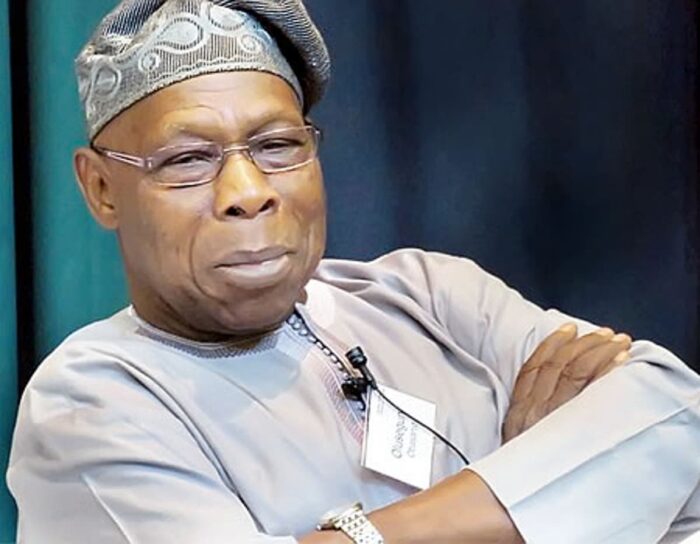
Former President Olusegun Obasanjo, a towering figure in Nigeria’s political history, has once again found himself at the center of a public controversy, this time with the Nigerian National Petroleum Corporation Limited (NNPCL). Following his recent criticism of Nigeria’s failed refinery management system, the NNPCL extended an invitation to him to tour the rehabilitated Port Harcourt and Warri refineries. However, this invitation, described as “disrespectful” by Obasanjo, raises important questions about how political appointees and workers in ministries, departments, and agencies (MDAs) treat former leaders.
The incident is not just a reflection of poor communication protocol; it underscores a worrying trend of diminishing respect for elder statesmen in Nigeria. Regardless of one’s stance on Obasanjo’s policies during his tenure, his contributions to the nation’s development and his role as a global statesman demand decorum and reverence from public officials.
Obasanjo’s record is replete with notable achievements that have shaped Nigeria’s political and economic landscape. As a military leader, he oversaw the transition to civilian rule in 1979, a rare feat in Africa’s history of military regimes. Returning as a civilian president in 1999, he championed debt relief, reformed the telecommunications sector, and laid the groundwork for democratic consolidation. These milestones are part of Nigeria’s collective heritage, and their architect deserves more than casual dismissal by state actors.
Beyond his achievements, Obasanjo’s age and status as a patriarch in Nigerian society should naturally command respect. At 87 years old, he embodies the wisdom and experience that younger generations of leaders can and should learn from. For public officials to engage with him dismissively, as seen in the NNPCL’s informal invitation through a spokesperson, is not only improper but also culturally insensitive.
This is not the first time Obasanjo has been treated with less regard than his status warrants. Over the years, there have been instances where his candid critiques of governance have been met with disdain rather than engagement.
For example, in 2021, when Obasanjo advised against excessive borrowing by the federal government, some officials dismissed his warnings as alarmist. Similarly, his advocacy for electoral reforms has often been brushed aside by those more interested in maintaining the status quo than in improving democratic practices. These instances reflect a troubling disregard for constructive criticism, even when it comes from someone with unmatched insights into Nigeria’s governance.
Against the foregoing backdrop, saying that the refinery invitation to Obasanjo was a height of insolence is not a misnomer in the eyes of anyone who understands the kind of protocol and respect a statesman in the caliber of Obasanjo deserves. So, his frustration is understandable. Rather than address the core issues he raised about the inefficiency and corruption plaguing Nigeria’s oil sector, the NNPCL chose to respond with what can only be described as a public relations stunt. Inviting him to tour facilities without a formal letter or acknowledgment of his statesmanship reeks of condescension. It is little wonder that he saw the gesture as an insult.
In fact, critics of Obasanjo may argue that respect is earned, not demanded. While this is true in principle, it is also worth noting that respect for elders is deeply ingrained in Nigerian culture. Even if some officials fail to recognize Obasanjo’s achievements, they should at least honor his age. In many cases, he is old enough to be their grandfather. That alone should command a basic level of courtesy.
It is also important to distinguish between engaging in healthy debate and outright disrespect. Obasanjo, like any public figure, is not above scrutiny. His policies and decisions are open to critique. However, critique should be grounded in facts and delivered with civility. Unfortunately, what we often see is a toxic mix of personal attacks and dismissive rhetoric that does nothing to advance public discourse.
The Yoruba socio-political group, Afenifere, and the Coalition of United Political Parties (CUPP) have rightly condemned the NNPCL’s approach to engaging with Obasanjo. Afenifere’s Secretary-General, Chief Sola Ebiseni, called the invitation an act of “sheer arrogance and disrespect,” emphasizing that Obasanjo’s critique of the government’s management of refineries is valid and timely. The CUPP went further, describing the invitation as a distraction from the NNPCL’s inability to deliver results despite billions spent on rehabilitation.
These reactions should serve as a wake-up call to public officials. Disrespecting elder statesmen not only undermines their individual dignity but also sends a dangerous signal to younger generations. If we cannot respect those who paved the way, what hope is there for fostering a culture of respect and accountability in governance?
To avoid future incidents of this nature, MDAs and political appointees must adopt clear protocols for engaging with former leaders. Formal invitations, respectful language, and acknowledgment of their contributions should be standard practice. This is not about inflating egos; it’s about maintaining the dignity of public office and upholding cultural values.
Moreover, public officials should recognize that constructive criticism from former leaders is an opportunity for growth, not an attack to be deflected. Obasanjo’s critiques of the oil sector, for instance, highlight systemic issues that require urgent attention. Dismissing these observations only perpetuates the inefficiencies he has called out.
Respect for former leaders like Obasanjo is not just a matter of courtesy; it is a reflection of our national values. By treating elder statesmen with the decorum they deserve, we affirm our commitment to civility, accountability, and progress. As the debate over Nigeria’s refineries continues, let us not lose sight of the bigger picture: a nation’s greatness is measured not just by its achievements but by how it treats those who have served it.
If Nigerian political appointees and workers in MDAs cannot recognize Obasanjo’s statesmanship, they should at least honor his age. Anything less is a disservice to the ideals of leadership and respect that we claim to uphold.



















You must be logged in to post a comment Login