Forgotten Dairies
State Management of Religion in the Era of Artificial Intelligence -By Tomy Michael
Religious management ultimately follows the development of the state, but religion remains its essence. Religion in the era of artificial intelligence continues to evolve into aspects never before imagined. For example, the existence of humanoid robots in South Korea that have been ordained as honorary monks. Was God ever considered before? Answers full of interpretation ultimately become mere debate, obscuring the true purpose of religion.

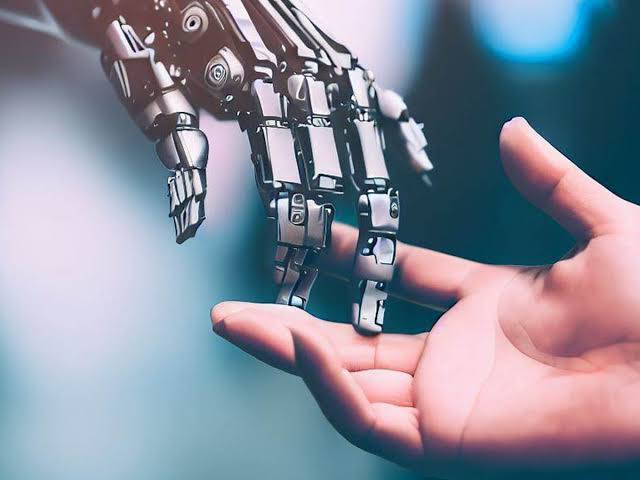
In the Bible, God states that all things belong to Him. When humans make God a part of their lives, two constitutions apply to them. Humans will adhere to their beliefs through the religious teachings they have received since birth. This obedience is a consequence when everything cannot be resolved through the state, so this belief remains. However, there is a contradiction when the Bible is interpreted textually, for example, “Do not resist someone who does you evil; but whoever slaps you on the right cheek, turn the other also.” This will lead to chaos. If this were to happen with a specific imagination, other problems would arise. Such a definition ultimately submits to the legal norms agreed upon by the state and its diverse society.
In the era of artificial intelligence, the state continues to develop, utilizing its capabilities for various purposes. Where does this capability come from? Certainly, from God-given talents. The state also does not manage religion in its true sense. Religion can be used as a tourist attraction, for example, by exploring buildings left over from the kingdom’s reign or by making people’s religious beliefs a driving force in life. For example, in Indonesia, there are religious tourism sites like the Pohsarang Maria Cave, which not only offer religious rituals but also boost the local economy through visits. There are several things combined and it is part of getting support from the local government.
Religious management ultimately follows the development of the state, but religion remains its essence. Religion in the era of artificial intelligence continues to evolve into aspects never before imagined. For example, the existence of humanoid robots in South Korea that have been ordained as honorary monks. Was God ever considered before? Answers full of interpretation ultimately become mere debate, obscuring the true purpose of religion. Sometimes religious debates reveal truths from other religions and also become part of the spiritual terror of the state. This manifestation leads the state to issue sanctions that differ from those of religion. For example, referring to the Bible, it is a sin to commit a crime, but when someone violates speed limits on the highway and endangers others, the sanctions are different. Because sanctions are not directly imposed, people tend to fear those already stipulated in laws and regulations. In the context of artificial intelligence, crime also continues to follow, and the state is within the legal framework of the code of law, customs, the influence of other countries, the constitution, and religious teachings itself.
If this is the case, the concept of the state, which is synonymous with maintaining the government, must be updated to ensure that religion remains. Religion must be part of the state because doing so will provide a different understanding of how to resolve issues. From a legal perspective, in Indonesia, it is known that legal issues are resolved using a religious approach, such as inheritance in Islam. The existence of religious courts is part of strengthening legal and religious norms simultaneously. If so, artificial intelligence will continue to develop, while the Bible remains textual but its understanding becomes increasingly complex. Limitations on interpretation are deemed necessary to prevent freedom of interpretation and heresy. Artificial intelligence is part of the ongoing development of religious relations, so the state will play a role for everyone.
Tomy Michael, Lecturer at Faculty of Law, Universitas 17 Agustus 1945 Surabaya.