
Africa
The Future Of Education In Post-conflict West Africa -By Hadiza Ibrahim Arfo
The future of the region depends on its classrooms. Every child who returns to school represents a step toward lasting peace and prosperity. When young minds are educated, they gain the power to rebuild not just their lives but their nations. As one teacher in Liberia once said, “Education is the weapon that ends the war within.” In the classrooms of post-conflict West Africa, that weapon is being sharpened again—one lesson, one child, and one hope at a time.

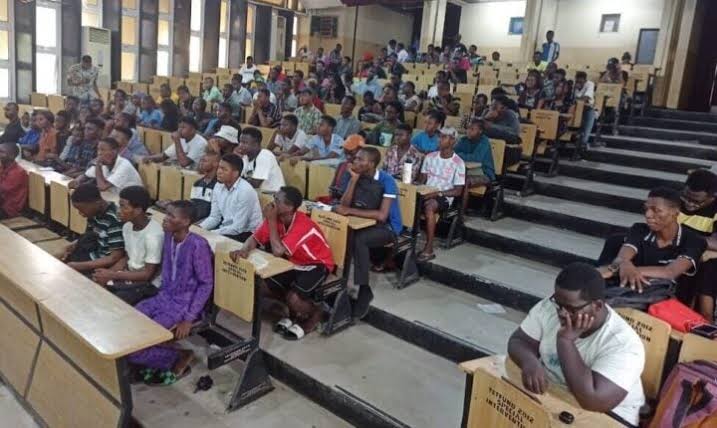
Education has always been the foundation of development, but in post-conflict West African nations, rebuilding education systems has become both a challenge and a necessity. Countries such as Sierra Leone, Liberia, and Mali, once ravaged by war and political instability, are now struggling to repair schools, train teachers, and inspire a new generation to learn. The scars of conflict—destroyed infrastructure, displaced families, and psychological trauma—continue to shape the educational landscape. Yet amid these challenges, there is a growing movement of resilience and innovation aimed at restoring hope through education.
The destruction of educational Infrastructure during conflicts has been devastating. In many war-affected areas, schools were burned, teachers fled, and students were forced to abandon their studies. Even years after peace agreements were signed, the remnants of violence remain visible. Thousands of children are still out of school, particularly in rural communities where rebuilding efforts are slow. In regions affected by terrorism, such as northern Nigeria and Mali, the threat of attacks on schools—especially girls’ schools—continues to discourage parents from sending their children to class. Education, which should be a safe space, has often become a target of fear.
One of the most pressing challenges in post-conflict education is the shortage of trained teachers. Many educators lost their lives or left the profession during periods of unrest. The few who remain often teach in overcrowded classrooms with limited materials. In some cases, teachers go months without pay, relying on passion rather than profession to continue their work. This has led to a decline in the quality of education, with many students unable to meet basic literacy and numeracy standards. Without qualified teachers, rebuilding a functional education system remains an uphill battle.
However, hope is not lost. Across the region, governments and international organizations are working together to rebuild schools and restore access to education. UNICEF, UNESCO, and the World Bank have invested heavily in education recovery programs that focus on infrastructure, teacher training, and psychosocial support. For instance, Sierra Leone’s “Education Sector Plan” and Liberia’s “Getting to Best” program have made significant progress in increasing school enrollment rates. These initiatives prioritize not just rebuilding classrooms but also creating inclusive learning environments for children who were previously marginalized or traumatized by war.
Non-governmental organizations and local communities have also played a vital role in education recovery. In conflict-affected regions, community volunteers often step in as temporary teachers, ensuring that children continue to learn even in makeshift classrooms. Organizations like Save the Children and Plan International have established mobile schools and learning centers for displaced families. These efforts are particularly crucial for girls, who are often the first to drop out during crises and the last to return once stability is restored. By providing scholarships, mentorship, and safety programs, NGOs are helping more girls return to school and pursue their dreams.
Technology has emerged as a transformative tool in post-conflict education. With the rise of digital learning platforms, students can now access lessons through radios, smartphones, and community centers, even in areas where schools are still being rebuilt. During the COVID-19 pandemic, these digital innovations proved essential in maintaining continuity of learning. In Liberia, for example, “Teaching by Radio” programs reached thousands of students in remote areas. In Nigeria, e-learning platforms have been adopted to supplement traditional classroom education. Digital tools are helping to close the gap between urban and rural learners, offering a glimpse into the future of inclusive education.
Yet, rebuilding education after conflict is not just about infrastructure and technology—it is about healing. Many students and teachers carry deep emotional scars from years of violence. Schools must therefore serve as centers for psychological recovery as well as learning. Integrating trauma counseling, peer support groups, and peace education into the curriculum can help students process their experiences and rebuild trust in their communities. Education can be a powerful force for reconciliation, fostering tolerance and preventing future conflicts when used as a tool for peacebuilding.
To sustain progress, governments must prioritize education in their national recovery plans. This includes increasing budget allocations for education, ensuring transparent use of funds, and investing in teacher welfare. International donors should continue to provide technical and financial support, but long-term sustainability will depend on local ownership. Parents, traditional leaders, and youth groups must all be involved in shaping an education system that reflects their communities’ values and aspirations. Only through collective effort can education become a true instrument of transformation in post-conflict West Africa.
The future of the region depends on its classrooms. Every child who returns to school represents a step toward lasting peace and prosperity. When young minds are educated, they gain the power to rebuild not just their lives but their nations. As one teacher in Liberia once said, “Education is the weapon that ends the war within.” In the classrooms of post-conflict West Africa, that weapon is being sharpened again—one lesson, one child, and one hope at a time.
Hadiza Ibrahim Arfo is a 300 level student from Kashim Ibrahim University (Formerly Borno State University, Maiduguri)



















You must be logged in to post a comment Login