
Africa
The Growing Tide Of Youth Migration In West Africa -By Amina Audu Ado
The media also plays a vital role In shaping perceptions of migration. Many young people are influenced by the glamorous portrayal of life abroad on social media. They see friends and relatives sharing pictures of success, often unaware of the challenges and discrimination many face in foreign lands. This misleading narrative fuels the illusion that “the grass is greener on the other side.” Journalists and influencers, therefore, have a responsibility to report the realities of migration honestly and comprehensively, helping to guide youth toward informed decisions.

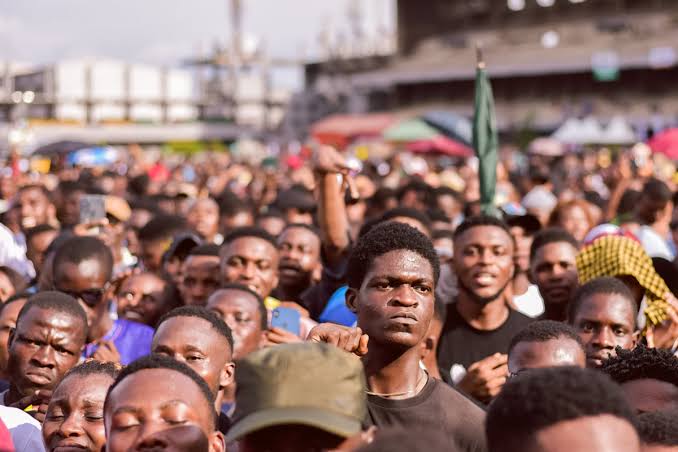
In recent years, youth migration has become one of the most pressing social and economic issues across West Africa. From Nigeria to Senegal, thousands of young people are leaving their home countries in search of better opportunities abroad. The exodus is largely fueled by high unemployment rates, political instability, and limited educational prospects. Many youths believe that migration is their only ticket to a better life, often overlooking the risks associated with irregular migration routes. According to the International Organization for Migration (IOM), West Africa remains one of the most active migration corridors globally, with young men and women constituting the majority of migrants.
The phenomenon is not just about physical movement—it reflects deep-rooted socio-economic imbalances in the region. Governments have failed to create sustainable employment opportunities, leaving young graduates disillusioned and desperate. In many cases, the dream of a prosperous future has been replaced with frustration, prompting many to embark on dangerous journeys through the Sahara Desert and across the Mediterranean Sea. These routes are often controlled by smugglers and traffickers who exploit the vulnerability of migrants. Tragically, countless lives have been lost in the process, turning what was once a dream into a recurring regional nightmare.
The social consequences of youth migration are equally significant. Families are often left broken, with parents grieving the loss or disappearance of their children. In rural communities, the absence of young people has reduced agricultural productivity and disrupted local economies. Moreover, the emotional toll on families—especially mothers—cannot be understated. They live with constant anxiety, unsure whether their loved ones will survive the perilous journey or fall victim to human trafficking networks that prey on desperate migrants. The impact extends beyond households, influencing the social fabric of entire communities.
Economically, migration has a complex dual effect. On one hand, remittances from abroad serve as a critical lifeline for millions of West African families, sustaining local economies and funding small businesses. On the other hand, the continuous outflow of skilled youth weakens domestic labor markets and stifles innovation. This “brain drain” phenomenon undermines national development goals, as countries lose their brightest and most ambitious citizens to foreign labor markets. Consequently, the region’s development efforts face a recurring setback—rebuilding human capital becomes nearly impossible when talent constantly migrates abroad.
In response, several West African governments have launched initiatives to curb irregular migration by promoting entrepreneurship and vocational training among youth. Nigeria’s “N-Power” program, Ghana’s “Youth Employment Agency,” and Gambia’s “Youth Empowerment Project” are examples of such efforts. These programs aim to empower young people to build careers locally rather than risk their lives overseas. However, while these policies show promise, they often suffer from poor implementation, corruption, and limited funding, which reduce their overall effectiveness.
International organizations have also stepped in to address the issue through awareness campaigns and reintegration programs for returnees. The IOM and the European Union have collaborated on reintegration initiatives that provide financial and psychological support for migrants returning home. Yet, despite these interventions, migration continues to rise because the root causes—poverty, inequality, and lack of good governance—remain unresolved. Until these structural problems are addressed, West African youths will continue to view migration as their only hope for a better life.
The media also plays a vital role In shaping perceptions of migration. Many young people are influenced by the glamorous portrayal of life abroad on social media. They see friends and relatives sharing pictures of success, often unaware of the challenges and discrimination many face in foreign lands. This misleading narrative fuels the illusion that “the grass is greener on the other side.” Journalists and influencers, therefore, have a responsibility to report the realities of migration honestly and comprehensively, helping to guide youth toward informed decisions.
Ultimately, the solution to youth migration in West Africa lies in creating environments where young people can thrive. Governments must invest in quality education, promote industrialization, and ensure political stability. The private sector should be encouraged to innovate and expand employment opportunities, while civil society must advocate for policies that protect and empower youth. If these efforts are genuinely pursued, the dream of success will no longer require crossing deserts or oceans—it can be achieved right at home. The future of West Africa depends on how the region treats its young people today.
Amina Audu Ado is a 300 level student from Kashim Ibrahim University (Formerly Borno State University, Maiduguri)


























You must be logged in to post a comment Login