
Africa
The Impact Of Government Communication On Counter-terrorism Operations In Zamfara, Katsina, And Sokoto, by Fatima Tijjani

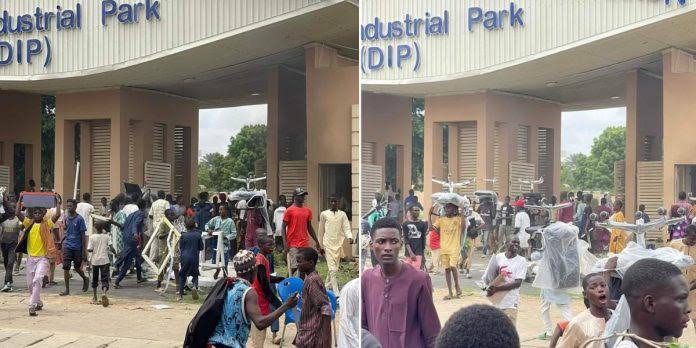
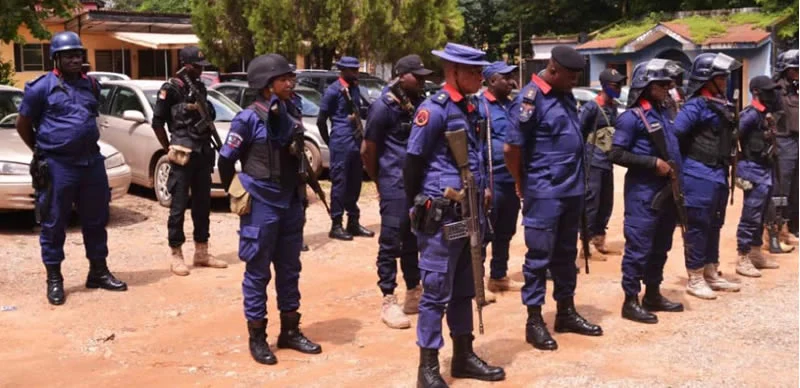
The northern Nigerian states of Zamfara, Katsina, and Sokoto have experienced escalating security challenges in recent years, primarily due to activities by armed bandits and other criminal groups. These challenges have intensified the need for robust and effective government communication to support counterterrorism and counterinsurgency operations. The success of these operations hinges not only on military strategies but also on the ability of the government to communicate effectively with the public, manage perceptions, and foster collaboration between local communities and security forces.
The importance of timely, transparent, and credible government communication in these states cannot be overstated. In regions like Zamfara, Katsina, and Sokoto, where armed banditry and kidnappings for ransom are prevalent, residents often face uncertainty and fear, which can undermine public support for government operations. Effective communication during these times helps in managing the spread of panic, addressing misinformation, and guiding the populace through crises. However, in many cases, the communication has been delayed or insufficient, exacerbating confusion and fear among residents.
One of the key issues in government communication is the delay in reporting security operations or updates on the progress of counterterrorism initiatives. During incidents of mass abductions or clashes between bandits and security forces, local populations are often left without clear, real-time information. In these moments of high anxiety, unreliable or contradictory messages can lead to public disillusionment and a loss of trust in the government’s ability to manage security effectively. By the time the government releases official updates, misinformation and rumors may have already spread across social media platforms, complicating efforts to maintain public order and cooperation.
The role of local media outlets in these regions is crucial in the dissemination of government messages. While mainstream media is often used for national-level communication, local radio stations and newspapers are essential in communicating directly with the communities most affected by insecurity. In states like Zamfara and Katsina, where rural populations have limited access to the internet, radio broadcasts and local news sources remain the primary means of receiving information. However, these outlets must navigate the complexities of reporting in conflict zones, where biased or sensational reporting can contribute to misinformation and undermine government credibility.
Additionally, the involvement of traditional leaders and local influencers plays a vital role in bridging the communication gap between the government and local communities. In Zamfara, Katsina, and Sokoto, the influence of community leaders such as emirs, religious leaders, and local chiefs can be instrumental in countering extremist narratives and promoting peace. When these figures support government communications and collaborate with security forces, they can help foster cooperation from local populations who may otherwise be hesitant to engage with the government due to distrust or fear of reprisals.
However, the communication efforts have not always been successful. One of the significant challenges faced by the government in these states is the credibility of its messaging. In many instances, the public has expressed frustration with the lack of tangible outcomes from government initiatives. Military operations often fail to produce the expected results in terms of neutralizing armed groups, leading to disillusionment. In addition, the government’s messaging sometimes does not acknowledge the complexity of the security situation, which includes both state and non-state actors contributing to the violence. Without an honest acknowledgment of the challenges, communication can be perceived as mere propaganda rather than a genuine effort to resolve the security crisis.
The use of social media also complicates government communication strategies in these regions. While it allows for broader dissemination of information, social media platforms have also become breeding grounds for rumors and disinformation. Criminal groups and their sympathizers exploit these platforms to spread false narratives, incite fear, and undermine government efforts. To counter this, the government needs to develop more sophisticated digital strategies that engage directly with the public, providing clear, verified information in real time. Social media influencers and local online personalities can also play an important role in amplifying official narratives and correcting misinformation.
Moreover, given the interrelated nature of security and development, the government’s communication should also focus on longer-term strategies that emphasize rebuilding trust and improving public services. In Zamfara, Katsina, and Sokoto, the population’s faith in the government has been eroded due to years of neglect and insecurity. Effective communication should not only focus on military operations but also on the broader development goals, such as improving healthcare, education, and infrastructure, which are critical in fostering a stable, resilient society. A comprehensive approach that integrates both immediate security concerns and long-term development projects is necessary to build lasting peace in these states.
In conclusion, the role of government communication in supporting counterterrorism and counterinsurgency efforts in Zamfara, Katsina, and Sokoto is crucial to the success of these operations. The government must address gaps in communication by providing timely, accurate, and transparent updates, engaging with local leaders, and countering misinformation effectively. Moreover, the inclusion of development-oriented messaging is key to fostering public support for security operations and rebuilding trust in government institutions. Without effective communication, the fight against armed banditry and terrorism will remain a difficult and protracted struggle.
Fatima Tijjani, is Part 3 Student from Mass Communication Department Borno State University Maiduguri, Borno State.


























You must be logged in to post a comment Login