
Africa
We Are All Multidimensionally Poor -By Dovish Okojie
Poverty is not just a statistic; it is an experience. It is waking up unsure of the next meal. It is a child missing school because uniforms and books cannot be afforded. It is a mother choosing which child to feed because food is too scarce. It is not having electricity to charge a phone, clean water to drink, or medicine to stop a preventable disease.


The term “multidimensional poverty” has gained currency with all sorts of numbers flying around in development circles, statistical offices, and global policy conversations. It sounds sophisticated, technical, and even forward-looking. But behind its academic weight lies an uncomfortable truth: while multidimensional measures of deprivation remind us that poverty is more than lack of income, they sometimes mask the raw urgency of poverty itself; the gnawing hunger, the lack of shelter, the absence of hope. To be poor in any form is to be diminished in dignity, denied in opportunity, and cornered into survival mode.
To say “we are all multidimensionally poor” is not an exaggeration. It is an invitation to rethink poverty not just as something that afflicts the materially destitute, but as a mirror of collective deprivation; social, institutional, moral, and systemic. No society, no matter how wealthy, is free from poverty when examined through multiple lenses. And yet, this broader view should never distract us from the central, urgent battle against poverty in its most basic and debilitating form, the kind that robs people of food, water, shelter, and survival.
For Nigeria and other developing economies, this dual recognition is critical: yes, human well-being is multidimensional, but until we address the raw poverty of millions, debates about multidimensionality risk becoming distractions. Poverty in its simplest sense of people lacking the basics of lifeshould remain the number one priority.
The Nature of Poverty Beyond the Numbers
Poverty is not just a statistic; it is an experience. It is waking up unsure of the next meal. It is a child missing school because uniforms and books cannot be afforded. It is a mother choosing which child to feed because food is too scarce. It is not having electricity to charge a phone, clean water to drink, or medicine to stop a preventable disease.
Economists often measure poverty by income, living below a certain dollar threshold per day. But even when income rises, millions still live without dignity. A family may cross the poverty line, yet remain deprived in education, healthcare, sanitation, or security. This is the rationale behind multidimensional poverty: to capture the many sides of human deprivation.
But here lies a paradox. In celebrating the sophistication of multidimensional measures, the global community risks dulling the sharp edge of poverty’s urgency. Hunger is not less painful because it is listed alongside “lack of internet connectivity.” Homelessness is not made easier because it shares a dataset with “exclusion from political participation.” These dimensions matter, but they should not dilute the core.
The Many Faces of Poverty
Saying “we are all multidimensionally poor,” is simply recognizing that poverty exists at different levels:
- Material Poverty: Lack of income, food, clothing, shelter, and healthcare. This is the most brutal, life-threatening poverty.
- Educational Poverty: Inability to access or benefit from education. Millions of children are out of school, locked out of a future before they can even dream.
- Social Poverty: Exclusion from networks, opportunities, and participation in decision-making. Many people are poor in voice, unseen and unheard by those in power.
- Emotional Poverty: A lack of mental well-being, hope, and emotional support. In societies obsessed with materialism, depression and anxiety are prevalent.
- Cultural Poverty: Loss of identity, values, and traditions in a globalized world. Communities that abandon their cultural roots may gain wealth but lose meaning.
- Institutional Poverty: Weak governance, corruption, and failing systems. When institutions are poor in integrity and efficiency, citizens remain trapped no matter their individual efforts.
- Moral Poverty: The absence of empathy, fairness, and justice. A society that tolerates inequality and injustice is poor in its moral compass.
By these measures, even the richest nations are poor in some form. The opioid crisis in the United States reveals emotional and social poverty. Rising loneliness in Europe reflects relational poverty. Governance failures in many African states reflect institutional poverty. Indeed, no country can claim to be poverty-free.
But here lies the tension: acknowledging these multidimensional forms of poverty must not make us complacent about the millions who are literally hungry, homeless, and jobless.
Nigeria’s Poverty Landscape
According to the World Bank and national data, a significant share of Nigeria’s population lives below the poverty line. With multidimensional poverty indices showing that over 130 million Nigerians are deprived in critical areas such as education, healthcare, sanitation, and housing. This contestable multidimensional analysis should not distract us from the most pressing issue; millions of Nigerians can’t afford food.
When the average Nigerian hears “multidimensional poverty,” it sounds like development jargon. But when he or she thinks of poverty, it is the empty plate on the table, the leaking roof in the rainy season, the unpaid school fees, the lack of jobs. That is the poverty that must be confronted head-on.
Why Multidimensional Poverty Should Not Distract Us
Multidimensional poverty is a useful concept that reminds us that well-being cannot be reduced to income alone. But in developing countries like Nigeria, overemphasis on multidimensionality risks the following dangers:
Dilution of Urgency: If everything is poverty, then nothing is urgent. Treating lack of infrastructure as equivalent to lack of food trivializes real suffering.
Policy Distraction: Governments may chase indicators for global reports rather than focus on the basics. They may build statistics rather than build schools. They may produce reports instead of producing food.
Bureaucratic Comfort: Development elites may use multidimensional frameworks to sound sophisticated while avoiding the raw truth of empty stomachs and broken lives.
The message is clear: multidimensional poverty should enrich our understanding, not dilute our action.
Poverty as a Collective Responsibility
To say “we are all multidimensionally poor” also carries a moral implication: poverty is not “their” problem, it is “our” problem. Even if I have food on my table, I am poor if my neighbor starves, because my humanity is diminished. A wealthy country is poor if its wealth is built on exploitation. An educated elite is poor if it cannot translate knowledge into public good.
This collective view calls for a new social contract. Poverty eradication must not be seen as charity or government obligation alone, but as a shared duty of citizens, businesses, and institutions.
- Government must provide infrastructure, education, healthcare, and jobs.
- Private sector must invest in inclusive growth and fair wages.
- Civil society must hold power accountable and mobilize communities.
- Individuals must practice empathy, solidarity, and responsibility.
Poverty is not solved by statistics but by action.
The Idealism of a Poverty-Free Future
Imagine a Nigeria where no child goes to bed hungry, where every child attends school, where every household has access to clean water, affordable healthcare, and electricity. Imagine a society where jobs are available, dignity is assured, and corruption is an aberration, not a norm.
This vision may sound idealistic, but history shows it is possible. Countries like China lifted hundreds of millions out of poverty within a generation through deliberate policies. Rwanda, despite its tragic past, has reduced poverty and expanded health and education access. Poverty is not destiny; it is a policy choice.
For our beloved Nigeria, the idea of a poverty-free future requires political will, visionary leadership, and citizen mobilization.
Beyond SurvivalToward Human Flourishing
Ultimately, poverty eradication is not just about survival; it is about human flourishing. It is about creating conditions where people can dream, innovate, and contribute. A society that only focuses on feeding its people but neglects creativity, culture, and freedom is still poor in spirit.
This is why multidimensionality matters; It reminds us that human well-being is holistic. But the order of priority matters: survival first, flourishing next. Feed the body before you can feed the mind. Provide security before you can nurture creativity.
The Call to Action
We are all multidimensionally poor. Some are poor in food, others in love. Some are poor in shelter, others in empathy. Some are poor in income, others in integrity. This recognition should humble us and unite us. Poverty, in any form, diminishes us all.
But let us not forget: while multidimensional poverty enriches the conversation, actual poverty calls for urgent action. Nigeria and other developing economies cannot afford to be distracted by complex frameworks while millions go hungry. The battle must be fought first at the level of raw deprivation; food, shelter, healthcare, and education. Only then can we ascend to higher dimensions of well-being.
The true test of our humanity is not in how sophisticated our poverty measures are, but in how quickly we can ensure that no one suffers the indignity of poverty. The task before Nigeria is clear: focus, act, and lift millions from poverty not just multidimensional poverty, but poverty in its raw, urgent, undeniable form.
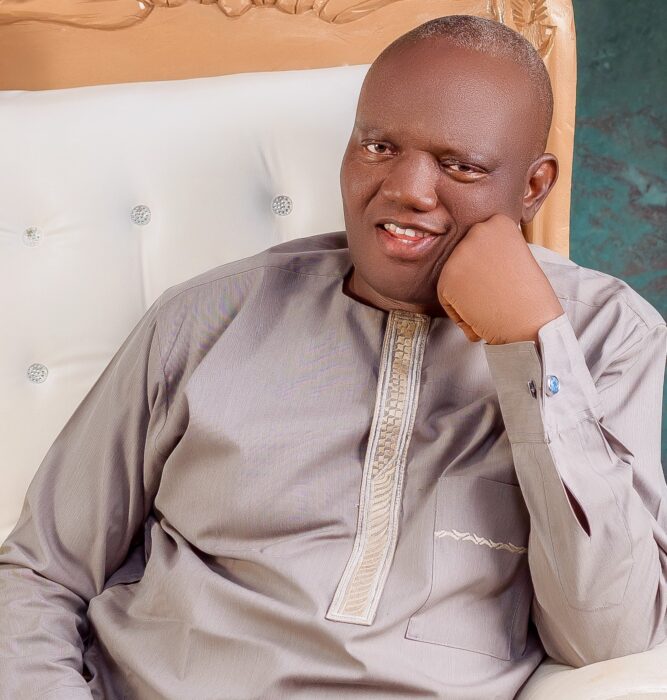
Dovish Okojie is a Management Consultant, Economic Researcher, and Public Affairs Analyst. He writes from Abuja and can be reached through dovishokojie@gmail.com

















You must be logged in to post a comment Login