
Africa
When Airtime And Fuel Become Luxuries: A Sobering Reflection On Nigeria’s Economic Crisis, by Isaac Asabor

The Nigerian economy has always been a topic of deep concern, often marred by inflation, unemployment, and fluctuating exchange rates. Yet, the current economic situation seems to have taken an unprecedented toll, stretching the limits of survival for both individuals and businesses alike. This became even more apparent when, recently, telecommunications operators in Nigeria raised an alarm over the deteriorating economic conditions under which they are forced to operate. The industry, which serves as the backbone of modern communication and commerce, is feeling the heat of an economic inferno that threatens to consume not just their profits but their very existence.
The Chairman of the Association of Licensed Telecommunications Operators of Nigeria (ALTON), Engr. Gbenga Adebayo, highlighted this during the 93rd Telecom Consumer Parliament organized by the Nigerian Communications Commission (NCC) in Abuja. According to him, telecom operators are struggling to stay afloat in a harsh economic environment, with increased operational costs and dwindling consumer purchasing power. The calls for an increase in tariffs to help sustain the industry reflect just how dire the situation has become. Yet, Adebayo was quick to stress that any increase in tariffs must be done with caution, ensuring that the already burdened consumers do not bear the brunt of this decision.
Telecommunications is not merely a service but a critical infrastructure that supports every facet of the economy. When an industry as vital as telecom starts to flounder, it sends shockwaves across other sectors. The fact that telecom operators are contemplating tariff increases as a last resort to remain operational should set off alarm bells for policymakers.
The plight of telecom operators, however, is only one piece of a much larger puzzle. Adebayo’s observation that Nigerians who once comfortably recharged their phones with ₦5,000 or ₦10,000 are now resorting to ₦200 or ₦300 speaks volumes. It is a stark reflection of the shrinking disposable income of average Nigerians. For many, phone calls, internet access, and data subscriptions are not just luxuries but necessities in today’s digital world. The reduction in spending on these essential services suggests a deeper economic malaise where even middle-class families are forced to tighten their belts.
The telecom sector, like many others, is grappling with rising operational costs due to inflation, a depreciating naira, and the high cost of diesel needed to power base stations amid erratic power supply. These challenges are not just affecting the profitability of telecom companies but also threatening the sustainability of services that millions of Nigerians rely on for their daily lives, businesses, and livelihoods. The government must take urgent steps to address the root causes of this economic downturn before these industries collapse under the weight of systemic neglect.
The economic distress is not limited to telecom operators alone. In a similar vein, a professional colleague narrated the story of a businessman who once had the luxury of filling his car’s tank with fuel every other day. Today, that same businessman is reduced to buying just a few liters at a time. This shift from abundance to scarcity is a testament to the harsh economic realities facing Nigerians.
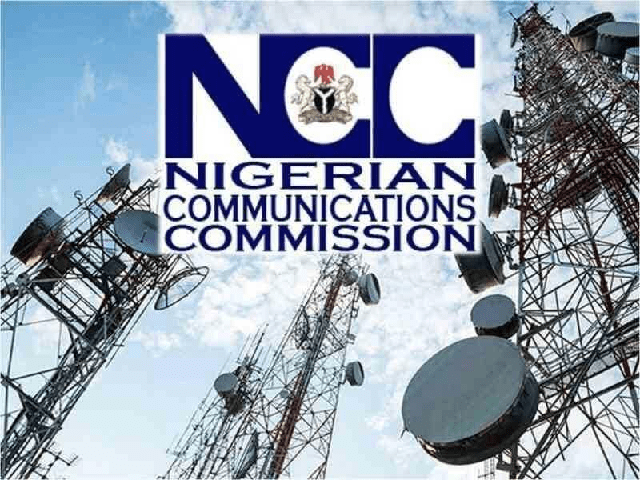
The average Nigerian household is experiencing the ripple effects of rising fuel costs, which not only affect transportation but also impact food prices and other essential goods. The high cost of diesel has forced businesses to cut down on operations, with some even shutting down completely. Small business owners who depend on generators for electricity are particularly hard-hit, as they face skyrocketing expenses that eat into their already thin profit margins.
The reduction in fuel consumption by private citizens and businesses alike is a clear indication that purchasing power is dwindling. When people can no longer afford to fuel their cars or power their generators, it is a sign that the economy is nearing a breaking point. What is more alarming is that this trend is happening at a time when Nigeria, as one of Africa’s largest oil producers, should ideally be benefiting from its natural resources. Instead, ordinary citizens are suffering from the paradox of plenty, where the wealth of the nation’s resources fails to trickle down to the people.
The situation calls for urgent and decisive action from the government. It is clear that the country’s economic woes are not just cyclical but structural. The government must take proactive steps to address the factors that are driving businesses to the brink of collapse and pushing millions of Nigerians into poverty.
In fact, not a few economic experts have averred that the continuous depreciation of the naira is a major driver of inflation, and that import-dependent sectors like telecommunications are particularly vulnerable to exchange rate fluctuations. They have also added that government should work with the Central Bank of Nigeria (CBN) to stabilize the naira and ensure that businesses can access foreign exchange at reasonable rates.
In a similar vein, not a few experts have being heard saying that the cost of diesel has become a significant burden for businesses, especially in the absence of reliable electricity, and that investing in the power sector to ensure stable and affordable electricity supply will alleviate some of the operational costs that are crippling businesses.

Against the foregoing backdrop, it is expedient to opine that while the removal of fuel subsidies was intended to free up government revenue, it has had severe consequences for ordinary Nigerians. Therefore, suggestions have been rife that the government needs to explore targeted subsidies or alternatives that can cushion the impact on those who are most vulnerable.
Not only that, there has been calls on the need to boost local production. Therefore, reducing the country’s reliance on imports by supporting local industries will create jobs and reduce the pressure on foreign exchange reserves. This, they said, can be achieved through incentives for local manufacturers and investments in critical sectors like agriculture and technology.
In a similar vein, is the call for social welfare programs. Proponents of the foregoing variously averred that to directly address the suffering of the masses, the government should expand social welfare programs that provide relief to low-income households, saying that the distribution of palliatives, food subsidies, and cash transfers could go a long way in easing the economic burden on Nigerians.
In fact, the current state of the Nigerian economy is unsustainable. The warning signs are everywhere, from the dwindling airtime purchases to the inability of citizens to afford fuel. The narratives shared by telecom operators and everyday businessmen paint a bleak picture that cannot be ignored.
There is no doubt that Nigeria is at a crossroads. The government must choose to either take bold steps to reform the economy or risk a complete collapse that could have far-reaching consequences for generations to come. It is not enough to issue statements and make promises; Nigerians need to see concrete actions that will improve their lives.
The economic challenges are complex, but they are not insurmountable. With the right policies, political will, and a focus on the welfare of the people, Nigeria can chart a path to recovery. The government must remember that while they deliberate, the people are suffering. Every day that passes without meaningful intervention pushes more Nigerians into poverty and despair.
At the end of the day, these stories, from telecom operators struggling to stay in business to ordinary citizens rationing fuel, are not just statistics; they are the lived experiences of millions of Nigerians. The narratives shared by Engr. Gbenga Adebayo and others should serve as a wake-up call for the government to act swiftly and decisively.
There is a need for empathy-driven policies that prioritize the well-being of the populace. The government must understand that when people can no longer afford to recharge their phones or fuel their cars, it speaks volumes about the state of the economy. It is time to stop the rhetoric and start implementing policies that will bring about real change. The clock is ticking, and the people are waiting.



























You must be logged in to post a comment Login