
Africa
Why The PFN Needs To Confront Leaders, Not Just Fast And Pray, by Isaac Asabor

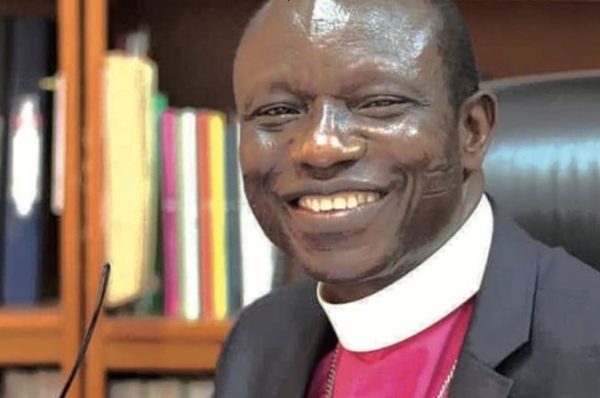
In the days of old, whenever leaders went astray, and the economy or general well-being of a nation was threatened, men of God stepped forward to speak truth to power. They were not content with mere prayers; instead, they acted as the moral compass of society, challenging leaders to make things right. From biblical times to recent history, prophets and men of God have boldly confronted erring leaders, not merely offering prayers but taking proactive steps to call them to account. This critical role, however, appears to be fading among Nigeria’s present-day religious leaders, who are now calling for a 40-day fasting and prayer session to address the country’s economic woes instead of confronting the government directly.
The Bible is replete with examples of prophets who were unafraid to challenge leaders when they deviated from God’s will, especially when it affected the lives of the people. These prophets did not merely retreat into prayer; they were vocal, direct, and fearless in confronting errant rulers.
One of the most notable examples is Prophet Nathan, who confronted King David after his adultery with Bathsheba and the murder of her husband, Uriah (2 Samuel 12). Nathan could have simply prayed for David’s repentance, but instead, he took the bold step of facing the king directly, exposing his sins, and urging him to change his ways.
Similarly, Prophet Elijah stood against King Ahab and Queen Jezebel, who led Israel into idolatry and oppression (1 Kings 18). Elijah did not merely fast and pray in silence; he challenged Ahab face-to-face, condemning his actions and calling for repentance. His courage not only exposed the moral failings of the leadership but also helped restore the nation to a path of righteousness.
In these instances, the prophets understood that prayer alone would not suffice. It required the courage to speak the truth to power, to hold leaders accountable, and to serve as the voice of God among the people.
Nigeria’s current socio-economic situation is dire, with inflation skyrocketing, unemployment rampant, and citizens struggling to make ends meet. The government’s policies have left many Nigerians disillusioned and impoverished. At a time when strong moral voices are needed to confront the leaders about their governance failures, the Pentecostal Fellowship of Nigeria (PFN) has opted to call for a 40-day fasting and prayer session. While prayer is undoubtedly powerful, it cannot be a substitute for decisive action.
In the past, Nigerian men of God, like Benson Idahosa of blessed memory, were known for their boldness in addressing societal issues and confronting leaders when necessary. Idahosa, during the military regimes in Nigeria, was never afraid to speak out against injustice and poor leadership. He understood that while prayer was necessary, it was equally important to be vocal in holding leaders accountable.
Today, however, this prophetic boldness seems to have diminished. The current generation of religious leaders appears more comfortable praying in their churches than engaging in advocacy. This shift from speaking truth to power to merely retreating into fasting sessions has led to a situation where the church is seen as detached from the socio-political realities affecting ordinary Nigerians.
While fasting and prayer are important spiritual disciplines, they are not meant to be a substitute for action. The Bible is clear on this matter: “Faith without works is dead” (James 2:26). The PFN’s call for Nigerians to engage in a 40-day fasting and prayer session will not miraculously fix the economy, address inflation, or alleviate the suffering of the people. What is needed now more than ever is a combination of prayer and action.
Instead of focusing solely on spiritual interventions, the PFN and other religious bodies should adopt a more proactive stance by engaging directly with government officials. They should be organizing advocacy meetings, issuing public statements, and putting pressure on the government to implement policies that benefit the masses.
The Catholic Church, for instance, has a history of using its influence to advocate for social justice and good governance. In countries like the Philippines, during the Marcos dictatorship, Catholic leaders like Cardinal Jaime Sin played a crucial role in mobilizing the people to demand change. Similarly, religious leaders in Nigeria could use their influence to demand accountability from the government, just as men of God did in the past.
In fact, Cardinal Sin, who was born in1928 and died in 2005, was the Archbishop of Manila and the most influential Roman Catholic leader in the political and popular opposition against Ferdinand Marcos. Hailing from a family of Chinese mestizos, Sin was appointed as cardinal in 1976 and remained in the position over consequent decades.
Rather than calling for prolonged fasting sessions that may only offer temporary spiritual relief, the PFN should consider more practical approaches:
Firstly, the PFN leadership can embark on direct engagement with government officials. In fact, the PFN should take a cue from biblical prophets and confront Nigerian leaders directly, speaking truth to power. Instead of encouraging the populace to fast and pray, they should demand accountability from those in authority. By holding meetings with policymakers and challenging them to act in the interest of the people, and they can have a more tangible impact.
Secondly, they can resort to the use of media for advocacy. Men of God in Nigeria have substantial platforms and influence. They should leverage these platforms to advocate for good governance, using their voices to amplify the cries of the suffering masses. A public statement from a prominent religious leader can have more impact than days of silent fasting.
Thirdly, collaborative efforts with Civil Society Organizations (CSOs) can go a long way. This is as religious bodies can partner with civil society organizations to push for reforms and hold the government accountable. By joining forces, they can apply pressure on leaders to prioritize the welfare of the citizens.
In fact, the economic challenges facing Nigeria require more than just fasting and prayer; they require action. If the PFN and other religious bodies truly wish to see a change in the nation’s fortunes, they must take a page from the prophets of old and confront leaders with the truth. By doing so, they will not only be fulfilling their divine mandate but also restoring hope to a populace that desperately needs it.
The reason for the foregoing view cannot be farfetched as prayer without action is like faith without works, it is dead. It is time for the PFN to move beyond spiritual platitudes and take a stand against poor governance. The church must reclaim its prophetic voice, not by retreating into silence and fasting but by stepping out in courage, confronting leaders, and demanding the change that Nigeria desperately needs. Only then can we begin to see the light at the end of the tunnel.




















You must be logged in to post a comment Login