
Africa
A Call To Action: Pest Invasion Threatening Farms In Maiduguri -By Hyeladi Yusuf Ibrahim
The federal government and development partners should also be brought on board. Agencies like the Federal Ministry of Agriculture, FAO, and NGOs working in the food security sector must join hands with the state government to combat this crisis. Collective action will amplify the impact of interventions and provide sustainable solutions.

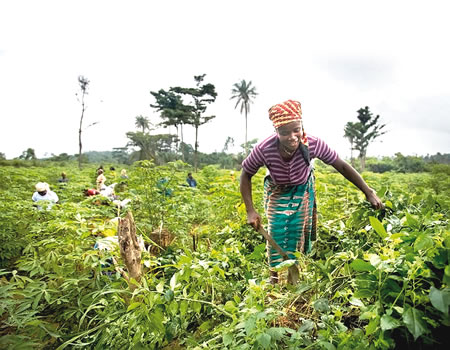
Agriculture has always been the heartbeat of Borno State’s economy and a vital source of livelihood for thousands of families across Maiduguri and its surrounding communities. Yet today, that heartbeat is under serious threat as new pests and crop diseases silently ravage farms, leaving farmers in fear of a looming food crisis. The situation requires urgent attention from the Borno State Ministry of Agriculture before it escalates into a full-blown disaster.
Farmers around Maiduguri have been raising alarms over strange infestations that are destroying maize, millet, sorghum, vegetables, and even newly planted rice fields. These pests and diseases, many of which are unfamiliar to the local farming population, spread rapidly, leaving behind swathes of farmland in ruin. Left unchecked, this problem could wipe out entire harvests and worsen food insecurity in a region already battling humanitarian challenges.
For many families in Borno, farming is not just a business—it is survival. With rising costs of living and limited job opportunities, agricultural produce provides food, income, and a sense of stability. The encroachment of pests now threatens to strip families of these lifelines. If crops continue to fail, the ripple effect will be devastating: higher market prices, reduced food availability, and increased hunger among the most vulnerable.
Climate change has made the situation worse. Erratic rainfall patterns and rising temperatures create fertile conditions for pests and diseases to thrive. Farmers who once relied on predictable seasons now find themselves struggling to cope with infestations that emerge unexpectedly. Without adequate agricultural extension support, many of them are left to guess solutions, often relying on ineffective or harmful pesticides.
The Borno State Ministry of Agriculture must take leadership In this fight. The first step is deploying agricultural extension officers to affected communities to properly identify the pests and diseases ravaging farmlands. Without accurate diagnosis, any intervention will amount to guesswork. The ministry should collaborate with research institutions, such as the Lake Chad Research Institute, to analyze these outbreaks and recommend scientifically tested control measures.
Secondly, the government should immediately support farmers with subsidized pesticides, improved seedlings resistant to pests, and training on integrated pest management. Farmers cannot face this battle alone; they need the backing of government resources and technical knowledge. Quick intervention now will save millions of naira in agricultural losses later.
Equally important is community awareness. Many farmers are unaware of the best practices to prevent the spread of crop diseases. Simple measures such as crop rotation, timely weeding, and safe pesticide use can make a huge difference. The ministry should organize training sessions and awareness campaigns in local languages to reach grassroots farmers directly.
If nothing is done, the consequences will go beyond agriculture. Food insecurity will increase, humanitarian needs will deepen, and rural-urban migration will rise as farmers abandon unproductive lands. In a state already grappling with the challenges of insecurity and displacement, this is a burden Borno cannot afford.
The federal government and development partners should also be brought on board. Agencies like the Federal Ministry of Agriculture, FAO, and NGOs working in the food security sector must join hands with the state government to combat this crisis. Collective action will amplify the impact of interventions and provide sustainable solutions.
Finally, the voices of farmers must be heard. Policies and interventions should not be designed from air-conditioned offices alone. Field visits, town hall meetings, and farmer-led consultations will ensure that solutions are practical, effective, and responsive to real needs.
In conclusion, the invasion of new pests and diseases on Maiduguri farms is a ticking time bomb. The Borno State Ministry of Agriculture must rise to the occasion with urgency, science, and community-centered solutions. Protecting farmlands is not just about saving crops—it is about safeguarding livelihoods, ensuring food security, and preserving the dignity of the people of Borno State. The time to act is now.
Hyeladi Yusuf Ibrahim is A 300 Level Student From Mass Communication Department University Of Maiduguri.
























You must be logged in to post a comment Login