
Africa
Students And Unionism: The Distraction From Academics In Nigerian Higher Institutions -By Ijanada Samuel Thilza
Unionism in higher institutions is also plagued by corruption and external influence. Student elections have, in some cases, become as expensive and manipulative as national politics, with contestants spending fortunes and engaging in questionable practices to secure office. Instead of grooming selfless leaders, this culture breeds opportunists who see unionism as a stepping stone to personal enrichment or a launchpad into partisan politics.

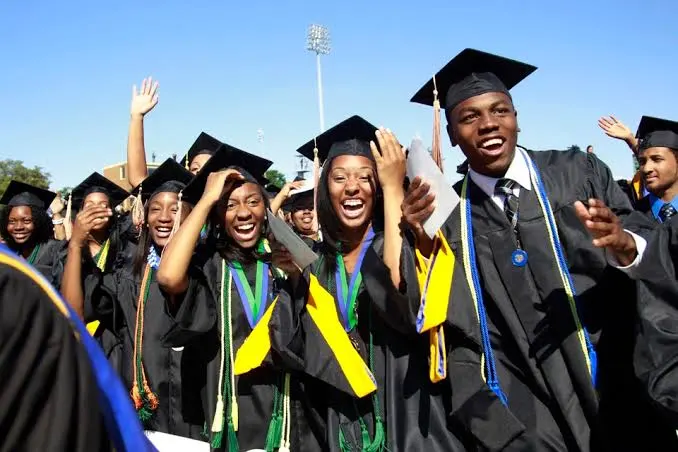
The Nigerian higher education system is designed to nurture critical thinkers, innovators, and professionals who can contribute meaningfully to national development. However, in many universities and polytechnics today, a troubling trend is emerging: students are devoting more energy and attention to unionism than to their academic pursuits. This shift not only undermines the purpose of tertiary education but also raises concerns about the future of the nation’s intellectual and professional workforce.
Student unionism in Nigeria has a proud history. It was once a platform for genuine advocacy, representing student interests, and holding authorities accountable. In the past, student leaders championed noble causes such as affordable education, better learning facilities, and national democracy. Unionism was a training ground for leadership and civic responsibility. Unfortunately, in today’s context, the noble ideals of student unionism are often overshadowed by personal ambition, partisanship, and misplaced priorities.
A disturbing reality is that many students now enter higher Institutions with the singular aim of joining student politics. For them, academics take a back seat while lobbying, campaigning, and maneuvering for positions dominate their time. Lecture halls are half-filled during campaigns, but gatherings for rallies or manifesto presentations are overflowing. The energy that should go into research, study groups, and skills development is instead consumed by union politics.
This overemphasis on unionism often leads to academic decline. Students who should be dedicating long hours to libraries and laboratories end up struggling with low grades and repeated courses. Some even abandon their studies altogether once they taste the perks of power, forgetting that their first responsibility as students is to learn. In the end, many of these individuals leave school without strong academic foundations, limiting their opportunities in the professional world.
Unionism in higher institutions is also plagued by corruption and external influence. Student elections have, in some cases, become as expensive and manipulative as national politics, with contestants spending fortunes and engaging in questionable practices to secure office. Instead of grooming selfless leaders, this culture breeds opportunists who see unionism as a stepping stone to personal enrichment or a launchpad into partisan politics.
The distraction created by excessive union activities does not only affect individual students but also the academic environment at large. Prolonged strikes, protests, and boycotts organized by student unions sometimes lead to the closure of schools for weeks or months. While the intention may be to pressure management into reforms, the unintended consequence is further delay in academic calendars, which hurts the very students union leaders claim to represent.
Another troubling aspect is the way unionism creates divisions among students. Campaigns often breed hostility, tribalism, and cult-related violence. Instead of uniting students around their common academic and social challenges, unionism sometimes pits them against one another, fostering unhealthy rivalries that derail the spirit of intellectual community.
It is important to note, however, that student unionism in itself is not the problem. Leadership training, advocacy, and representation are valuable experiences for young people. The real issue is imbalance—when unionism overshadows the primary mission of education. Students should not have to choose between activism and academics; rather, unionism should complement learning, not replace it.
The way forward lies in redefining the culture of student unionism. Higher institutions must establish stronger mentorship programs where seasoned academics and professionals guide student leaders to balance activism with scholarship. Schools should enforce policies that ensure academic performance remains a prerequisite for holding union office. A student leader with poor grades cannot genuinely inspire others to excel.
Equally, student unions should redirect their focus to constructive engagements that enhance learning—such as lobbying for digital libraries, internship opportunities, research grants, and entrepreneurship programs. When unionism aligns with academic advancement, both the students and the institutions will benefit.
Parents and guardians also have a role to play. Many parents assume once their children enter higher institutions, their only duty is to “study hard.” Yet, without guidance, young people can easily get carried away by the glamour of union politics. Families must encourage discipline, monitor progress, and remind students that their certificate, not their union badge, will ultimately shape their future.
Government intervention is also necessary. The Ministry of Education and relevant regulatory bodies should design policies that support healthy student participation in union activities while ensuring academics remain the top priority. Leadership training workshops, conflict resolution seminars, and civic education programs can help reform the culture of unionism.
At the same time, students themselves must take responsibility. They must recognize that while leadership experience is valuable, it should not come at the cost of their studies. Union positions are temporary, but academic excellence and skills development are lifelong assets. A responsible student leader is one who can excel both in the lecture hall and in the union office.
In conclusion, unionism in higher institutions remains a double-edged sword. When properly managed, it produces leaders, activists, and thinkers who shape society positively. But when abused, it becomes a dangerous distraction that undermines academic success. Nigerian students must learn to strike a balance, and institutions must create systems that reward both scholarship and leadership. After all, the ultimate goal of higher education is to produce graduates, not politicians in waiting.
Ijanada Samuel Thilza is A 300 Level Student From Mass Communication Department University Of Maiduguri.

























You must be logged in to post a comment Login