
Africa
Addressing Open Defecation In Maiduguri: A Public Health Crisis, by Bukar Muti

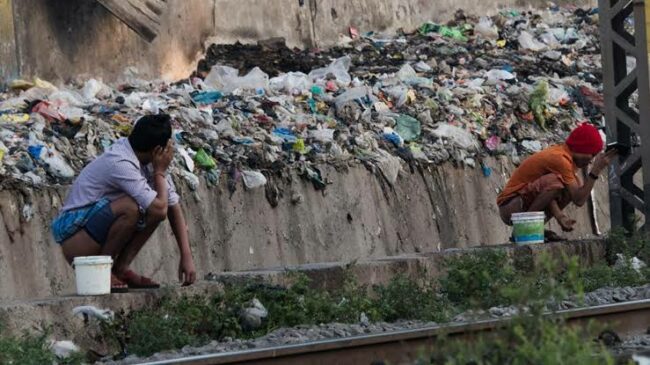
Open defecation remains a critical public health issue in Maiduguri, Borno State, particularly in areas like the Monday Market, Post Office area, and Bulabulin community. These locations, bustling with commercial and residential activities, are significantly affected by inadequate sanitation facilities. The practice poses serious risks to the environment and public health, necessitating urgent interventions by both individuals and the government.
Monday Market, one of Maiduguri’s busiest commercial hubs, attracts thousands of traders and customers daily. However, the absence of adequate public toilets forces many individuals to resort to open defecation. This practice contaminates the environment, especially near food stalls, and increases the risk of foodborne illnesses. The combination of poor waste disposal and open defecation creates a breeding ground for flies and other disease-carrying pests, posing a direct threat to the health of traders and shoppers.
The Post Office area, another prominent part of Maiduguri, also suffers from a lack of adequate sanitation infrastructure. Open defecation here is particularly concerning due to the high volume of commercial activities and the proximity to food vendors. The contamination of the immediate environment not only affects human health but also damages the reputation of local businesses. The area’s central role in connecting Maiduguri to other regions makes addressing sanitation challenges crucial for preventing the spread of diseases beyond the city.
Open defecation in front of the State Specialist General Hospital in Maiduguri poses significant health and social challenges for the surrounding community. This practice can lead to the spread of diseases such as cholera, typhoid, and dysentery, as human waste contaminates the environment and nearby water sources. The hospital, which is a vital facility for treating illnesses, becomes paradoxically a source of public health risks when sanitation around it is compromised. Open defecation also undermines hygiene standards, creating an unhygienic environment for patients, visitors, and healthcare workers, which could exacerbate the spread of infections. The situation highlights a critical gap in public sanitation infrastructure and awareness.
Moreover, open defecation in a public and high-traffic area like the hospital’s vicinity reflects broader issues of urban management and public health governance. It negatively impacts the dignity and well-being of the local population while projecting a poor image of the city’s ability to maintain basic standards of cleanliness. The practice may deter patients from seeking care due to the unpleasant and unhygienic surroundings, further straining the already limited healthcare resources in the region. Addressing this issue requires a multi-faceted approach, including the provision of accessible public toilets, public health education campaigns, and enforcement of sanitation laws to improve the quality of life for residents and ensure the hospital serves as a safe and sanitary environment.
Bulabulin community, located close to Monday Market, faces significant sanitation challenges. This densely populated area has limited access to clean water and proper waste management facilities. Open defecation is prevalent, and during the rainy season, fecal matter often gets washed into streets and water sources, further exacerbating public health risks. The residents, many of whom rely on the market for their livelihoods, are at constant risk of cholera, dysentery, and other waterborne diseases.
The health consequences of open defecation in these areas are severe. Contaminated food and water sources lead to outbreaks of diseases such as cholera, typhoid, and hepatitis. Children, who are particularly vulnerable, suffer from stunted growth and malnutrition due to repeated episodes of diarrhea. The high disease burden also strains Maiduguri’s healthcare system, particularly facilities like the Specialist General Hospital, which already operates under significant pressure.
To combat open defecation, individuals and communities must prioritize hygiene practices. Proper waste disposal, the use of toilets, and education on the dangers of open defecation are essential. Community leaders can organize campaigns to promote the construction and maintenance of household latrines.
On the government’s part, investing in sanitation infrastructure is critical. The construction of public toilets in markets and densely populated areas like Post Office and Bulabulin can provide immediate relief. Enforcing regulations against open defecation, coupled with public awareness campaigns, can drive long-term behavioral changes. Additionally, partnerships with NGOs and international organizations can help fund and implement large-scale sanitation projects.
Open defecation in Maiduguri, particularly in areas like Monday Market, Post Office, and Bulabulin, poses severe public health risks. Addressing this challenge requires collective action from individuals, community leaders, and the government. By investing in sanitation infrastructure, enforcing regulations, and raising awareness, Maiduguri can move towards a cleaner, healthier future, safeguarding the well-being of its residents and ensuring sustainable development.
Bukar Muti, student of Mass communication department Borno state University



























You must be logged in to post a comment Login