
Africa
Orji Uzor Kalu’s Double-Speak: Why Is ₦14 Million “Not Enough” While ₦70,000 Minimum Wage Is Decent for Nigerians?, by Isaac Asabor

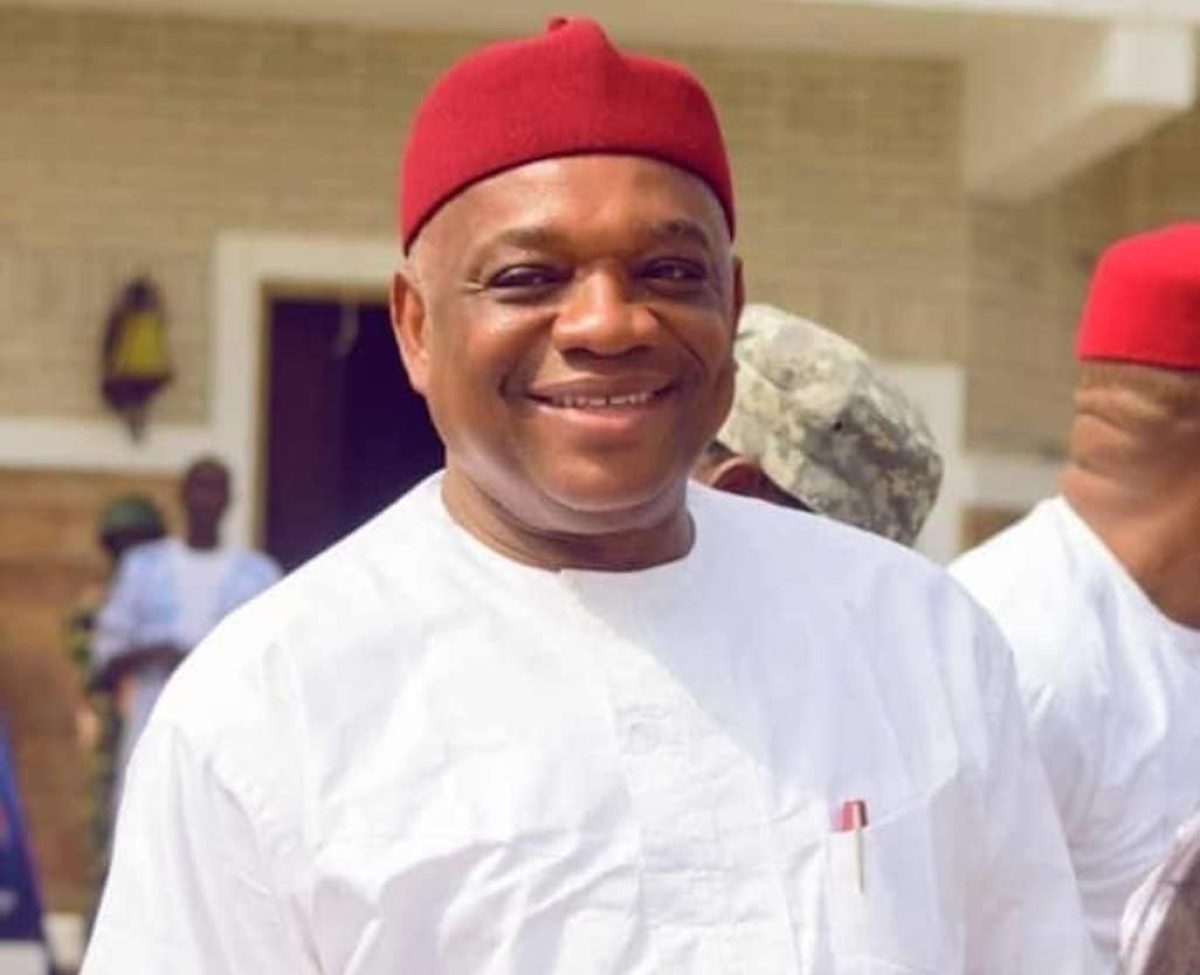
In July 2024, former governor of Abia State and the current senator representing Abia North, Orji Uzor Kalu, made headlines for congratulating organized labor on their acceptance of the new minimum wage of ₦70,000, approved by President Bola Tinubu. Kalu. In his congratulatory statement, he described the new wage as a positive step toward alleviating the suffering of Nigerian workers, though he had previously advocated for a ₦90,000 minimum wage. He expressed satisfaction with the agreed amount, calling it a “decent minimum wage.”
Fast forward to a few months later, and the same Orji Uzor Kalu revealed that his monthly earnings as a senator totaled ₦14 million, yet, astonishingly, he claimed that this amount is “not enough” for him. This stark contradiction raises critical questions about Kalu’s perspectives on financial sufficiency and, by extension, his understanding of the socioeconomic realities faced by the very people he is elected to represent.
If ₦14 million is not enough for Kalu, why does he expect ordinary Nigerians to survive on ₦70,000? Why does he believe the minimum wage he praised is “decent” for workers, while his own earnings, more than 200 times higher, are insufficient for his lifestyle? Does he believe he is responsible for the welfare of the entire people of Abia North? These questions are crucial, not only because they highlight Kalu’s double-speak, but because they expose the wider disconnect between Nigeria’s political elite and the citizens they claim to serve.
Let’s begin by putting Kalu’s earnings into context. As a senator, Orji Uzor Kalu reportedly earns ₦14 million monthly, which includes allowances and other entitlements. This brings his annual income to over ₦168 million, excluding other benefits and bonuses that often remain shrouded in secrecy. In contrast, Nigerian workers who receive the new minimum wage of ₦70,000 will earn ₦840,000 annually. It is worth noting that this figure barely covers the rising cost of living in the country, where inflation has eroded the purchasing power of the naira and basic necessities have become luxuries for many.
The fact that Kalu could describe ₦70,000 as “decent” while simultaneously lamenting that ₦14 million is not enough for him reveals a fundamental disconnect between the political class and ordinary Nigerians. How can the same individual praise a meager wage for workers while dismissing millions of naira as insufficient for his personal needs? This disparity begs the question: Does Kalu truly understand the struggles of the Nigerian people, or is he simply out of touch with reality?
Orji Uzor Kalu’s assertion that ₦14 million is not enough raises another important question: What exactly does he mean by “not enough”? For an ordinary Nigerian, ₦14 million is an astronomical figure, one that could change the course of their life. It could fund a business, pay for a child’s education, or provide access to healthcare. For many, it is an unattainable sum that represents years, if not decades, of hard work and savings.
Yet, for Kalu, this amount seems insufficient. Is he referring to the expenses associated with his political office, such as running his constituency or fulfilling his obligations to his supporters? Or is he speaking about personal luxuries, maintaining a lavish lifestyle, expensive travels, or keeping up with the trappings of power? While he has not elaborated on why he believes ₦14 million is not enough, it is difficult to imagine any scenario where such a statement would not be perceived as tone-deaf in a country where millions are living below the poverty line.
To put it bluntly, Kalu’s claim feels like an insult to the average Nigerian, many of whom scrape by on a fraction of what he earns. While politicians like Kalu continue to benefit from their positions of power, ordinary citizens are left to deal with the harsh realities of unemployment, underemployment, and economic instability.
If ₦14 million is indeed insufficient for Kalu, one must wonder: Is he responsible for feeding and sponsoring the welfare of the entire people he represents in the Senate? Senators, of course, have obligations to their constituencies, including meeting the needs of their people and advocating for their interests. However, this does not justify an individual politician’s claim that millions of naira are insufficient for personal or political expenses.
If Kalu feels financially strained, it would be illuminating for him to provide transparency on how exactly these funds are being allocated. Are the ₦14 million monthly earnings going toward impactful projects that uplift the people of Abia North? Are the funds being used to create jobs, improve infrastructure, or provide scholarships and social services? Or is the money disappearing into the black hole of political expenses and personal luxury?
This lack of accountability is one of the core issues plaguing Nigerian politics. Public office holders frequently enjoy astronomical salaries and allowances, yet there is little evidence of how these funds are used to benefit their constituencies. Kalu’s statement should prompt a broader conversation about transparency in the remuneration and spending of Nigerian lawmakers. If ₦14 million isn’t enough, the people ofAbia North deserve to know why, and what that money is being spent on.
Kalu’s double-speak is not just a personal failing, it is emblematic of a broader issue in Nigerian governance. The country’s political elite often live in a different world from the citizens they represent, earning incomes that are vastly disproportionate to the average worker’s salary. This income inequality is one of the primary reasons why Nigeria remains trapped in a cycle of poverty, despite its vast natural resources and potential for growth.
While the minimum wage of ₦70,000 may seem like a step in the right direction, it remains woefully inadequate in the face of rising costs for housing, food, healthcare, and transportation. Kalu’s satisfaction with this amount, while claiming that ₦14 million is insufficient, illustrates the chasm between Nigeria’s leadership and its people.
Political leaders like Kalu often forget that their positions are meant to serve the people, not to enrich themselves. Instead of pushing for policies that would close the income gap and improve the lives of ordinary Nigerians, they are content to maintain the status quo, where the few continue to prosper at the expense of the many.
Orji Uzor Kalu’s remarks provide an opportunity for Nigerians to ask hard questions about their leaders’ priorities. If ₦14 million is not enough for a senator, then perhaps it is time to reevaluate the salary structures of public officials. Perhaps it is time for greater transparency in how public funds are spent, and for accountability measures to ensure that the money politicians receive is used for the benefit of the people they represent.
Additionally, this moment should be used to push for a more meaningful conversation about Nigeria’s minimum wage. While ₦70,000 may be better than the previous wage, it is still far from what Nigerian workers need to live with dignity. The same politicians who dismiss millions as “not enough” should be working to create an economy where workers are paid a living wage that reflects the true cost of living in Nigeria.
Orji Uzor Kalu’s claim that ₦14 million is not enough while praising a ₦70,000 minimum wage as decent underscores the double-speak and disconnect that characterize much of Nigeria’s political elite. It’s time for leaders to recognize the realities faced by ordinary Nigerians, and to begin making decisions that reflect the needs of the many, not the whims of the few.
If Kalu believes that ₦14 million is insufficient, he owes it to his constituents to explain why, and to use his platform to push for policies that address the income inequality crippling the country. Anything less is a betrayal of the people he was elected to serve.

















You must be logged in to post a comment Login