
Forgotten Dairies
Nigeria’s Roads To Relief: Can The Government Really Make Transportation Affordable? -By Juliet Julius Bitrus
The government has an opportunity to turn transportation reforms into a genuine intervention against the cost-of-living crisis. But achieving this will require more than announcing cheaper fuel or introducing new buses. It will require investment in roads, public transport infrastructure, rural connectivity, vehicle conversion and effective regulation.

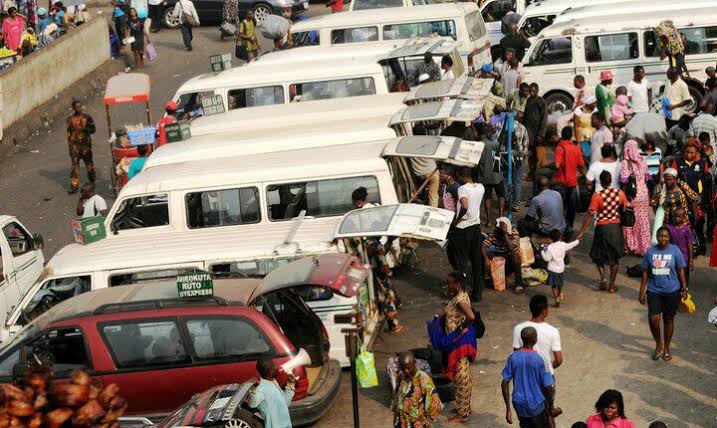
Every morning, millions of Nigerians begin their day with the same question: how much will it cost to get to where they are going? For workers, students, traders and small business owners, transportation has become one of the first expenses to consider before leaving home. A journey that was once routine now requires careful planning, as rising fares continue to consume a significant portion of household income.
The situation has become particularly difficult for low-income earners who depend almost entirely on public transportation. For some, the increase in fares means leaving home earlier to search for cheaper alternatives. Others walk long distances, reduce the number of trips they make or postpone important journeys altogether. In a country where millions of people already struggle with food, housing and other essential expenses, the rising cost of mobility has added another layer to the cost-of-living crisis.
The Federal Government’s efforts to reduce transportation costs have therefore attracted considerable attention. The government’s CNG initiative is designed to encourage the use of cheaper and cleaner fuel while reducing the operating expenses of commercial transport operators. In principle, lower fuel costs should allow transport operators to charge passengers less, providing relief to commuters.
But the reality of transportation is more complicated than the price of fuel alone. Commercial transport operators deal with several other expenses, including vehicle maintenance, spare parts, tyres, insurance, licensing, road-related expenses and, in many cases, unofficial charges. When these costs rise, operators often have little choice but to increase fares in order to remain in business.
The condition of Nigeria’s roads also contributes significantly to transportation costs. On roads filled with potholes and damaged sections, vehicles require more frequent repairs. Drivers spend more time completing journeys, while fuel consumption can increase. Ultimately, passengers bear much of the cost through higher fares.
For businesses, the impact goes beyond the daily commuter. Traders who transport goods from farms and wholesale markets must factor transportation into their selling prices. When the cost of moving goods rises, the final consumer pays more. This means that expensive transportation contributes indirectly to the rising prices of food, clothing, building materials and other household necessities.
The problem is particularly serious for people who live far from their workplaces or schools. Many Nigerians cannot afford to live close to where they work because of high rents. They therefore depend on public transport to connect their homes with places of employment. As fares increase, a worker may discover that a substantial portion of monthly income is being spent simply on getting to work and returning home.
For students, the challenge can be equally troubling. Those attending institutions far from their homes often rely on buses, tricycles and motorcycles. When fares increase, some families are forced to provide additional financial support, while students who cannot afford the extra cost may reduce their movement or miss classes.
This raises an important question about government intervention: can transportation reforms address the problem if they focus primarily on fuel?
The answer depends on how broadly the reforms are implemented. CNG can reduce fuel costs, but its impact will remain limited if converted vehicles are unavailable, refuelling stations are insufficient or commercial operators cannot access conversion facilities. The benefits must also reach smaller towns and rural communities rather than remaining concentrated in major urban centres.
There is also the issue of trust. Nigerians have seen several government interventions designed to reduce the cost of living. The challenge is ensuring that announced benefits translate into measurable changes in people’s daily lives. If the cost of operating a vehicle falls but passengers continue to pay the same fares, the policy will do little to ease household pressure.
Transport unions and operators will therefore have an important role to play. Government agencies need to work with them to establish realistic fares based on actual operating costs while ensuring that commuters are protected from unjustified increases. Regular monitoring will also be necessary to determine whether transportation interventions are achieving their intended purpose.
At the same time, Nigerians need a transportation system that is less dependent on individual vehicles and informal operators. Investment in mass transit, rail transportation and well-maintained roads can provide more sustainable solutions in the long term. A modern transportation network should connect cities, towns and rural communities while allowing people and goods to move at reasonable costs.
The issue is ultimately about more than getting from one location to another. Affordable transportation determines how easily Nigerians can access employment, education, healthcare and markets. When transportation becomes unaffordable, these opportunities become increasingly difficult to reach, particularly for people at the lower end of the economic ladder.
The government has an opportunity to turn transportation reforms into a genuine intervention against the cost-of-living crisis. But achieving this will require more than announcing cheaper fuel or introducing new buses. It will require investment in roads, public transport infrastructure, rural connectivity, vehicle conversion and effective regulation.
For the ordinary Nigerian waiting at a crowded bus stop, the success of any transportation policy will be judged by one simple question: How much will I pay today to get where I need to go?
Until the answer becomes significantly more affordable, the promise of cheaper transportation will remain just that—a promise. Nigeria’s road to relief must ultimately lead to the pockets of ordinary Nigerians.
Juliet Julius Bitrus is 300 level student in Mass Communication Department University of Maiduguri






















You must be logged in to post a comment Login