
National Issues
The World’s Most Wasted Resource Isn’t Oil, It’s Human Potential -By Rufaida Abdullahi Hamidu
Perhaps the next Nobel Prize winner is selling fruit on a roadside instead of sitting in a classroom. Perhaps the engineer who could provide clean water to millions is working to survive instead of studying. Perhaps the leader who could unite a divided nation has already given up on a dream because no one believed it was possible.

A seven-year-old girl sits beneath a tree in northern Nigeria, tracing letters into the sand with a stick because she has no notebook. Across the world, a teenager in Afghanistan hides her textbooks, studying in secret because education has become a privilege instead of a right. In a refugee camp in Sudan, a boy who dreams of becoming a doctor spends his days searching for clean water instead of attending school. Meanwhile, in a crowded neighborhood in Brazil, a gifted young programmer imagines building software that could change lives but he has never owned a computer.
These children have never met. They speak different languages, belong to different cultures, and face different struggles. Yet they share one heartbreaking reality: they were all born with potential, but not with equal opportunity.
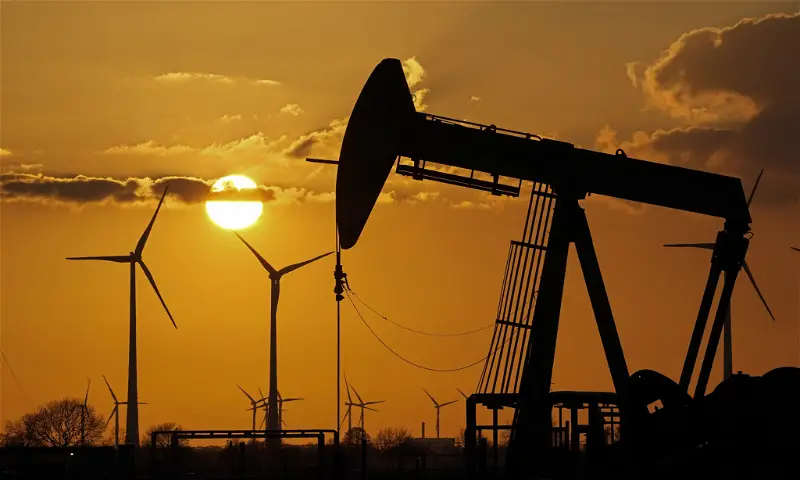
When the world talks about valuable resources, we think of oil, gold, natural gas, and rare minerals. Nations compete for them. Economies rise and fall because of them. Wars have been fought over them.
But history has quietly taught us a different lesson.
The world’s greatest resource has never been buried beneath the ground.
It has always lived within people.
Human potential is the engine behind every scientific discovery, every technological breakthrough, every work of art, every medical innovation, and every movement that has transformed society. Yet every day, millions of people are denied the chance to develop that potential not because they lack intelligence or ambition, but because they lack opportunity.
Around the world, hundreds of millions of children and young people are still denied quality education. Many are forced out of school by poverty. Others flee conflict, survive natural disasters, or face discrimination because of their gender, disability, ethnicity, or social status. Even those who remain in school often learn in overcrowded classrooms without qualified teachers, electricity, internet access, or learning materials.
Talent is universal.
Opportunity is not.
The consequences reach far beyond the individual. Every child who never becomes the scientist they dreamed of represents a medical breakthrough that may never happen. Every aspiring engineer forced to abandon education is an innovation the world may never see. Every entrepreneur without access to capital is a business that will never create jobs. Every silenced voice is a solution humanity may never hear.
The cost of wasted human potential cannot be measured only in economic terms. It is measured in diseases left uncured, technologies never invented, communities left behind, and lives that remain trapped in poverty for generations.
This is not only a challenge for developing countries.
Across the globe, inequality continues to deny people the chance to thrive. In wealthy nations, barriers such as unequal access to education, discrimination, poor mental health support, and economic hardship continue to prevent millions from reaching their full potential. Human potential does not recognize borders. Neither should our commitment to protecting it.
History repeatedly proves that extraordinary people often come from ordinary beginnings. Many of the world’s greatest innovators, leaders, writers, and scientists succeeded because someone believed in them, invested in their education, or opened a door that changed the course of their lives.
Imagine if every child had that opportunity.
Imagine a world where no girl’s education ended because of her gender. A world where no boy abandoned school because of hunger. A world where disability was met with inclusion instead of exclusion. A world where birthplace no longer determined destiny.
The solutions to climate change, food insecurity, global health crises, and technological advancement may already exist not in research laboratories or corporate boardrooms but in the minds of children whose potential remains locked behind barriers they did not create.
Changing this reality requires collective action.
Governments must invest in quality education, healthcare, and policies that expand opportunity rather than privilege. Businesses must see young people not simply as future employees but as future innovators and leaders. Schools must become places where every child can thrive regardless of background. The media must tell more stories of possibility than limitation.
As individuals, we also have a responsibility. We can mentor a young person, support a student’s education, advocate for inclusive policies, challenge discrimination, or simply encourage someone who has begun to doubt their own worth. Sometimes a single opportunity can change one life. One transformed life can inspire a family. One inspired family can strengthen a community. And one empowered generation can reshape the world.
Oil reserves will eventually decline. Gold mines will one day be exhausted. Every natural resource has limits.
Human potential is different.
The more we invest in it, the more it grows. It creates knowledge instead of pollution, hope instead of conflict, and opportunity instead of inequality. It is the only resource that becomes more valuable the more people share it.
Perhaps the next Nobel Prize winner is selling fruit on a roadside instead of sitting in a classroom. Perhaps the engineer who could provide clean water to millions is working to survive instead of studying. Perhaps the leader who could unite a divided nation has already given up on a dream because no one believed it was possible.
The question is no longer whether the world has enough talent.
The question is whether we have the courage to stop wasting it.
History will not remember us for the oil we extracted or the wealth we accumulated. It will remember whether we recognized the limitless value within every human being and chose to invest in it.
Because the world’s most wasted resource isn’t oil.
It’s human potential.
Rufaida Abdullahi Hamidu Writer and Education Advocate
Armackzy@gmail.com









You must be logged in to post a comment Login