Africa
EFCC And The Battle Against Corruption In Nigeria -By Rosemary Robson
Funding and institutional constraints also limit the EFCC’s effectiveness. Corruption cases in Nigeria are often complex, involving networks that stretch across borders. Yet, the commission struggles with inadequate manpower, outdated investigative tools, and slow judicial processes. Trials drag on for years, and convictions are relatively few compared to the number of arrests made. This gap between prosecution and conviction weakens public confidence in the anti-graft war.

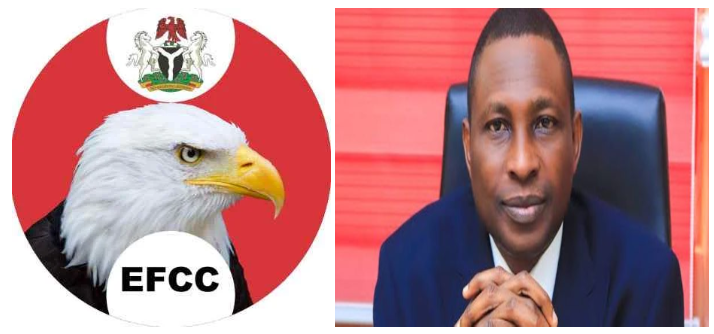
In Nigeria, corruption is often described as the biggest obstacle to development. It has eaten deep into the fabric of governance, business, and even daily life. To confront this menace, the Economic and Financial Crimes Commission (EFCC) was established in 2003, with a clear mandate to investigate, prosecute, and prevent economic and financial crimes. Over the years, the EFCC has grown into one of the most visible and controversial institutions in the country.
From its early years, the EFCC gained attention for tackling high-profile cases involving former governors, ministers, and business tycoons. For many Nigerians, it became a symbol of hope in the fight against corruption. Images of influential figures standing trial under EFCC charges sent a strong message that no one was above the law. Yet, two decades later, the commission’s record remains mixed, with praise and criticism in equal measure.
One area where the EFCC has recorded success is in combating cybercrime, popularly known as “Yahoo Yahoo.” With Nigeria’s image often tarnished internationally by online scams, the commission has launched nationwide operations to track, arrest, and prosecute internet fraudsters. High-profile raids and convictions have demonstrated that the EFCC is paying attention to crimes beyond the political sphere.
However, critics argue that the EFCC’s fight against corruption is selective. The commission has often been accused of targeting opposition politicians while going soft on individuals aligned with the government in power. This perception of bias has raised questions about the EFCC’s independence and credibility. Many Nigerians now wonder whether the agency is a genuine anti-graft body or a political tool.
Funding and institutional constraints also limit the EFCC’s effectiveness. Corruption cases in Nigeria are often complex, involving networks that stretch across borders. Yet, the commission struggles with inadequate manpower, outdated investigative tools, and slow judicial processes. Trials drag on for years, and convictions are relatively few compared to the number of arrests made. This gap between prosecution and conviction weakens public confidence in the anti-graft war.
Another challenge is the culture of corruption itself. In Nigeria, corruption has become so entrenched that many view it as a way of life. From petty bribery to grand embezzlement, corrupt practices cut across different levels of society. For the EFCC, this means the battle is not just legal but also cultural—requiring education, awareness, and collaboration with citizens to change mindsets.
Despite these challenges, the EFCC has continued to expand its reach. Its establishment of zonal offices across the country, partnerships with international organizations, and collaboration with financial institutions show a determination to strengthen its operations. The commission has also intensified public awareness campaigns, particularly targeting the youth, with slogans like “EFCC, Say No to Corruption.”
For Nigeria to win the anti-corruption war, however, the EFCC must go beyond arrests and headlines. It needs to secure more convictions, recover stolen assets transparently, and ensure that prosecutions are fair and impartial. Equally important, reforms are needed in the judiciary and political system to close loopholes that enable corruption to thrive.
The EFCC stands as both a symbol of Nigeria’s fight against corruption and a reminder of its struggles. Its successes prove that accountability is possible, while its shortcomings reflect the enormity of the task. Whether it emerges as a truly independent anti-graft body or continues to battle credibility issues will shape Nigeria’s governance and development for years to come.
As Nigerians demand greater accountability from leaders, the EFCC’s role will only grow more important. The commission is at a defining moment: it can either rise to the challenge and restore faith in the anti-corruption crusade or remain caught in the cycle of selective enforcement and political interference. The choice will determine not just the future of the EFCC, but the integrity of Nigeria itself.
ROSEMARY ROBSON IS A 300 LEVEL STUDENT FROM MASS COMMUNICATION DEPARTMENT UNIVERSITY OF MAIDUGURI.